
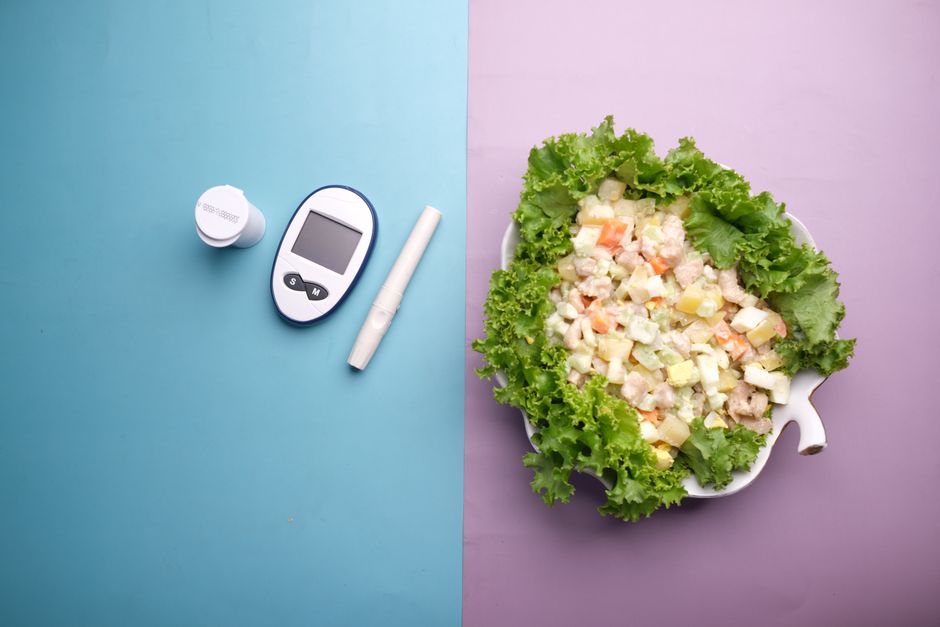
Certain foods can help lower blood sugar naturally, but no single food is a magic bullet. The most effective approach involves choosing foods that slow down digestion, reduce how quickly sugar enters your bloodstream, and improve how your body responds to insulin. Foods high in soluble fiber, healthy fats, and protein—like oats, nuts, seeds, and non-starchy vegetables—are among the best choices for keeping blood sugar stable. The science behind this is well established, and incorporating these foods into a consistent eating pattern can make a real difference.
How Do Foods Actually Lower Blood Sugar?
Foods don’t “burn” sugar or remove it from your blood like a medication would. Instead, they work through a few key mechanisms that are well understood.
The most important mechanism is slowing digestion. When food moves slowly through your stomach and intestines, sugar is absorbed into your bloodstream gradually rather than all at once. This prevents the sharp spikes in blood glucose that happen after eating refined carbohydrates like white bread or sugary drinks.
Fiber plays a central role here. Soluble fiber, in particular, forms a gel-like substance in your digestive tract. This gel traps carbohydrates and slows their breakdown into sugar. Oats, barley, beans, apples, and carrots are all rich in soluble fiber.
Protein and fat also slow stomach emptying. This is why a meal with chicken, fish, eggs, or avocado tends to produce a gentler blood sugar response than a meal of plain pasta or rice.
Some foods also appear to improve insulin sensitivity over time. Insulin is the hormone that tells your cells to take sugar out of the blood. When your cells respond better to insulin, your blood sugar stays lower after meals. This effect is more gradual and depends on eating these foods regularly over weeks and months.
Which Foods Have the Strongest Evidence?
Some foods have been studied more than others. The evidence is strongest for the following categories.
Non-starchy vegetables are the safest bet. Leafy greens, broccoli, cauliflower, zucchini, peppers, and mushrooms are very low in carbohydrates and high in fiber. They add volume to meals without adding much sugar. You can eat generous portions without worrying about your blood sugar.
Legumes—beans, lentils, and chickpeas—are another strong choice. They contain both fiber and protein, which together slow digestion significantly. Studies consistently show that replacing refined grains with legumes improves blood sugar control.
Nuts and seeds are rich in healthy fats, protein, and fiber. Almonds, walnuts, pistachios, chia seeds, and flaxseeds all have evidence behind them. Some research suggests that eating nuts regularly is associated with better long-term blood sugar control. The portion size matters because nuts are calorie-dense.
Whole grains like oats, barley, quinoa, and brown rice perform better than their refined counterparts. Barley and oats are particularly notable because they contain beta-glucan, a type of soluble fiber with strong evidence for reducing post-meal blood sugar.
Berries are the best fruit choice for blood sugar. Strawberries, blueberries, raspberries, and blackberries are relatively low in sugar and high in fiber compared to other fruits. They satisfy a sweet craving without causing a major glucose spike.
What About Vinegar, Cinnamon, and Other Popular Remedies?
You have likely seen claims about specific foods or spices that “lower blood sugar.” Some of these have real evidence behind them, but the effect is often smaller than people expect.
Apple cider vinegar has the most solid evidence of the popular remedies. Some studies show that taking vinegar with a meal can reduce the post-meal blood sugar rise. The effect appears to work by slowing stomach emptying. However, the studies are small, and the effect is modest. Vinegar is also acidic and can damage tooth enamel or irritate the esophagus if taken undiluted.
Cinnamon is frequently promoted for blood sugar control. The evidence is mixed. Some studies show a small benefit, while others show no effect. The type and quality of cinnamon supplements vary widely, and there is no standard dose that has been established. Cinnamon is not a substitute for other management strategies.
Berberine is a compound found in several plants and is sold as a supplement. Some research suggests it can lower blood sugar similarly to certain diabetes medications. However, the quality of the evidence is limited, and berberine can interact with other medications. Talk to a doctor before trying it.
These remedies should not replace proven treatments. If you take medication for diabetes, adding unproven supplements without medical supervision can be dangerous.



Does the Order of Eating Matter?
Yes, and this is one of the less obvious but well-supported findings. The sequence in which you eat foods during a meal affects your blood sugar response.
Some research indicates that eating vegetables and protein before the carbohydrate portion of a meal results in a smaller blood sugar spike than eating everything mixed together. For example, eating a salad and chicken before the rice or bread leads to a gentler rise in glucose.
The likely mechanism is that fiber and protein slow gastric emptying. When carbohydrates arrive at an already slowed digestive system, they are absorbed more gradually. This is a simple, practical strategy that requires no special foods—just a change in the order of what you eat.
This is not a cure for diabetes, and the effect size varies between individuals. But it is a low-cost, low-risk adjustment that many people find helpful.
What Foods Should You Limit or Avoid?
Knowing what to avoid is as important as knowing what to eat. The foods that cause the fastest and highest blood sugar spikes are those that are rapidly digested into sugar.
Sugary drinks are the worst offenders. Liquid sugar is absorbed almost instantly because there is no fiber, fat, or protein to slow it down. Regular soda, fruit juice, sweetened tea, and sports drinks all fall into this category. Even 100% fruit juice causes a rapid spike because the fiber has been removed.
Refined grains like white bread, white rice, and pasta made from white flour are also problematic. They have been stripped of their fiber and bran, leaving mostly starch that digests quickly.
Processed snacks—crackers, chips, pretzels, and baked goods—combine refined flour with added sugar and unhealthy fats. They offer little nutritional value and cause predictable blood sugar spikes.
You do not need to eliminate these foods completely. But reducing them and replacing them with the foods mentioned earlier will have a measurable impact on blood sugar.
How Quickly Will You See Results?
This depends on what you mean by results. The effect on post-meal blood sugar is immediate. If you eat a meal with vegetables, protein, and whole grains instead of a meal with white bread and soda, your blood sugar will rise less within the next one to two hours. You can see this effect on the very first day.
Changes in fasting blood sugar and long-term markers like HbA1c take longer. HbA1c reflects your average blood sugar over the past two to three months. It will not change overnight. Most people who consistently change their eating patterns see meaningful improvements in HbA1c within three months.
Weight loss, if it happens, amplifies these effects. Losing even a modest amount of weight—around 5% of your body weight—improves insulin sensitivity. This is why dietary changes combined with physical activity tend to work better than diet alone.
If you have diabetes and are taking medication, do not stop or reduce your medication based on dietary changes alone. Blood sugar improvements should be discussed with your healthcare provider, who can adjust medication if needed.
Can Food Alone Replace Diabetes Medication?
No. This is an important point that is often misunderstood. Dietary changes are powerful and can reduce the amount of medication some people need, but they are not a replacement for medical treatment in most cases.
For people with prediabetes, lifestyle changes may be enough to prevent progression to type 2 diabetes. Some people with type 2 diabetes can achieve remission through significant weight loss and dietary changes, but this requires medical supervision and is not achievable for everyone.
For people with type 1 diabetes, food choices affect blood sugar but cannot replace insulin. Insulin is essential for survival in type 1 diabetes, and no diet changes that.
Always work with a healthcare provider when making significant dietary changes, especially if you take medication that can cause low blood sugar.
Frequently Asked Questions
What is the best food to eat to lower blood sugar?
No single food is best, but non-starchy vegetables like broccoli and leafy greens are the safest and most reliable choice. They are low in carbohydrates and high in fiber, so they have minimal impact on blood sugar.
Does apple cider vinegar really lower blood sugar?
Some small studies show that vinegar taken with a meal can modestly reduce the post-meal blood sugar rise. The effect is real but small, and it should not replace standard diabetes treatment.
Can eating food in a certain order lower blood sugar?
Yes. Eating vegetables and protein before carbohydrates results in a smaller blood sugar spike in some studies. This is a simple strategy that costs nothing and has no downside.
How long does it take for diet changes to lower blood sugar?
Post-meal blood sugar improves within days of changing what you eat. Fasting blood sugar and HbA1c take longer—typically two to three months to see the full effect.
