
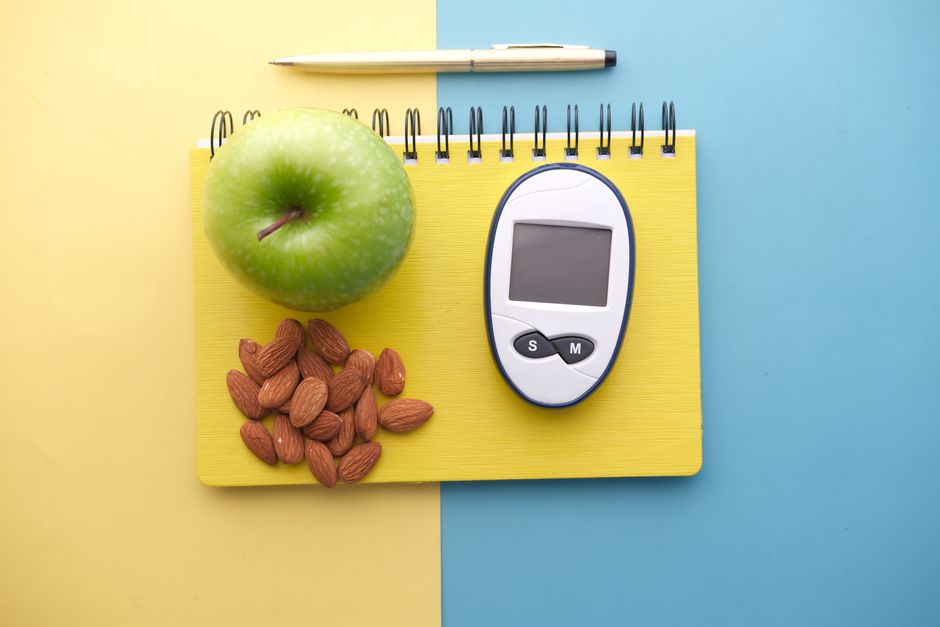
High blood sugar affects millions of Americans, and many want to know what they can do about it without adding another prescription to their routine. The honest answer is that lifestyle changes can genuinely lower blood sugar, and for many people they work as well as early-stage medication. The most effective natural approaches are losing excess weight, changing what you eat, moving your body after meals, and getting enough sleep. These strategies work through different biological pathways, and combining them produces better results than any single change alone.
What Causes High Blood Sugar in the First Place?
Blood sugar rises when your body cannot move glucose out of your bloodstream and into your cells efficiently. Insulin is the hormone that does this job. When your cells stop responding to insulin normally, your pancreas has to produce more of it to get the same job done. This is called insulin resistance, and it is the core problem behind most cases of type 2 diabetes and prediabetes.
Your liver also plays a role. Between meals, your liver releases stored glucose to keep your brain and muscles fueled. In people with insulin resistance, the liver releases too much glucose at the wrong times. The result is higher fasting blood sugar levels in the morning, even if you did not eat anything sugary the night before.
Genetics matter, but so do daily habits. Excess body fat, especially around the abdomen, increases inflammation and makes insulin resistance worse. Physical inactivity reduces your muscles’ ability to take up glucose. Poor sleep raises stress hormones that push blood sugar up. These factors compound over years, which is why blood sugar problems usually appear in middle age.
How Do I Lower My Blood Sugar Level Naturally With Food?
What you eat has the most immediate effect on your blood sugar. Carbohydrates break down into glucose, so the type and amount of carbs you eat directly determine how high your blood sugar rises after a meal. The goal is not to eliminate carbs entirely but to choose ones that digest slowly and to pair them with foods that slow digestion further.
Fiber is your strongest tool. Soluble fiber, found in oats, beans, apples, carrots, and psyllium husk, forms a gel in your digestive tract. This gel slows down how quickly sugar enters your bloodstream. Research consistently shows that meals high in fiber produce lower blood sugar spikes than meals with the same amount of carbs but little fiber.
Protein and fat also slow digestion. When you eat a piece of toast alone, your blood sugar rises quickly. When you eat that same toast with eggs or peanut butter, the rise is slower and smaller. This is why meals that combine carbohydrates with protein and fat are more blood-sugar friendly than carb-heavy meals eaten by themselves.
Vinegar has a measurable effect. Several studies have found that taking one to two tablespoons of vinegar with a high-carb meal reduces the post-meal blood sugar spike. The acetic acid in vinegar appears to slow stomach emptying and reduce the rate at which sugar enters the bloodstream. This is a small effect, not a treatment on its own, but it is real and easy to test.
Order matters more than most people realize. Eating vegetables and protein before the carbohydrate portion of a meal produces a lower blood sugar response than eating the carbs first. One explanation is that the fiber and protein from the first part of the meal slow the absorption of everything that follows.
What Role Does Exercise Play in Blood Sugar Control?
Exercise works differently from diet. Food affects how much sugar enters your blood. Exercise affects how quickly your muscles pull sugar out of it. Your muscles use glucose for fuel during activity, and they continue to take up glucose for hours afterward as they replenish their energy stores.
This is why a single bout of exercise can lower blood sugar for 24 hours or more. The effect is strongest after meals. Walking for 10 to 15 minutes after eating can reduce the post-meal blood sugar spike significantly. This is one of the most practical and evidence-supported strategies available, and it costs nothing.
Resistance training builds muscle, and muscle tissue is your largest glucose reservoir. More muscle means more places for glucose to go. Studies show that combining aerobic exercise with resistance training produces better blood sugar control than either type alone. The American Diabetes Association recommends both types of exercise, though specific guidelines have been updated over time. The general direction is clear: move more, in different ways, and do it regularly.
Consistency matters more than intensity. A moderate daily walk produces better long-term results than a hard workout once a week. The goal is to make movement a daily habit, not a weekend event.



Can Weight Loss Actually Reverse High Blood Sugar?
Yes, and the evidence is strong. Excess body fat, particularly visceral fat around your organs, drives insulin resistance. When you lose that fat, your cells become more sensitive to insulin. This is not theoretical. Large clinical trials have shown that weight loss of 5 to 10 percent of body weight significantly improves blood sugar control in people with prediabetes and type 2 diabetes.
Some people can return their blood sugar to normal ranges entirely. This is called remission, and it is most likely in people who lose a substantial amount of weight early in their diabetes journey. The longer you have had high blood sugar, the harder remission becomes, partly because the pancreas loses its ability to produce insulin over time.
Weight loss does not need to be extreme to help. Even modest weight loss of 5 percent of your body weight can lower your A1C, which is your average blood sugar over the past three months. For someone who weighs 200 pounds, that is just 10 pounds. The key is losing fat, not just water weight or muscle.
There is no single best diet for weight loss. Low-carb diets, Mediterranean diets, and DASH diets have all been shown to improve blood sugar. What they share is a reduction in refined carbohydrates and processed foods, and an increase in vegetables, whole foods, and fiber. Find an eating pattern you can stick with for years, because the long-term consistency is what produces results.
How Does Sleep and Stress Affect Blood Sugar?
Sleep and stress are underappreciated blood sugar regulators. When you do not sleep enough, your body produces more cortisol and other stress hormones. These hormones signal your liver to release glucose, raising your blood sugar even though you have not eaten. One night of poor sleep can measurably increase insulin resistance the next day.
Chronic sleep deprivation is worse. Studies have found that people who regularly sleep fewer than six hours per night have higher fasting blood sugar and a higher risk of developing type 2 diabetes. The exact number of hours needed varies by person, but most adults function best with seven to nine hours.
Stress works through the same pathway. Acute stress raises blood sugar through cortisol and adrenaline. Chronic stress keeps those hormones elevated, which keeps blood sugar higher than it would otherwise be. Stress management techniques like deep breathing, meditation, and regular physical activity can lower stress hormones, though the direct effect on blood sugar is harder to measure than the effects of diet and exercise.
Sleep apnea deserves special attention. Obstructive sleep apnea is common in people with excess weight, and it causes repeated drops in oxygen during the night. This triggers stress hormone surges that raise blood sugar. Treating sleep apnea with CPAP therapy has been shown to improve blood sugar control in some studies. If you snore heavily or wake up gasping, this is worth discussing with a doctor.
Are There Natural Supplements That Lower Blood Sugar?
The supplement market is full of products claiming to lower blood sugar, and most of them have weak evidence behind them. A few have better support than others, but none should be used as a replacement for lifestyle changes or prescribed medication.
Berberine is one of the most studied supplements for blood sugar. Some research suggests it activates an enzyme called AMPK, which plays a role in glucose metabolism. Several small trials have found that berberine lowers blood sugar similarly to metformin, a common diabetes medication. However, these studies are small and short-term, and berberine can cause digestive side effects.
Cinnamon has been studied for blood sugar effects, but the results are mixed. Some trials show a modest benefit, and others show none. The effect, if it exists, is small. Chromium and magnesium deficiencies can impair glucose metabolism, and correcting a true deficiency is helpful. But taking these supplements when you are not deficient has not been shown to lower blood sugar.
The honest position is this: no supplement has been proven to lower blood sugar as effectively as weight loss, dietary changes, and exercise. Some supplements may offer a small additional benefit, but the evidence base is limited. Always tell your doctor about any supplements you take, because some can interact with diabetes medications and cause dangerously low blood sugar.
When Should You See a Doctor About Blood Sugar?
Lifestyle changes are powerful, but they have limits. If your fasting blood sugar is consistently above 126 mg/dL, or your A1C is above 6.5 percent, you meet the diagnostic criteria for diabetes and should be under medical care. Prediabetes is diagnosed with a fasting blood sugar between 100 and 125 mg/dL or an A1C between 5.7 and 6.4 percent.
These numbers are established diagnostic thresholds used by major medical organizations. They matter because diabetes causes damage to blood vessels, nerves, kidneys, and eyes over time, and that damage can begin before symptoms appear. Early treatment prevents complications.
If you have symptoms like frequent urination, excessive thirst, unexplained weight loss, or blurry vision, do not wait for a routine checkup. These can be signs of significantly elevated blood sugar. See a doctor promptly.
Medication is not a failure. Many people need metformin or other medications even after making major lifestyle changes. Diabetes is a progressive condition for many people, and the pancreas often loses function over time regardless of lifestyle. Using medication to protect your body from damage is the same as using a cast for a broken bone. It is the right tool for the job.
Frequently Asked Questions
How quickly can lifestyle changes lower blood sugar?
Some effects appear within days, especially from exercise and reducing refined carbohydrates. Significant changes to your A1C typically take two to three months because that test measures average blood sugar over that time period.
Is intermittent fasting safe for lowering blood sugar?
Some studies show intermittent fasting can improve blood sugar and promote weight loss, but it is not appropriate for everyone. If you take diabetes medication, especially insulin or sulfonylureas, fasting can cause dangerously low blood sugar and should only be attempted with medical supervision.
Does drinking water lower blood sugar?
Staying hydrated helps your kidneys flush excess sugar out through urine. Drinking water does not directly lower blood sugar, but dehydration concentrates your blood and makes sugar levels read higher, so adequate hydration is part of accurate monitoring.
Can apple cider vinegar really lower blood sugar?
Some studies show that one to two tablespoons of vinegar with a high-carb meal can modestly reduce the post-meal blood sugar spike. The effect is small and should not replace other treatments, but it is a low-risk strategy if you dilute it and it does not upset your stomach.
