
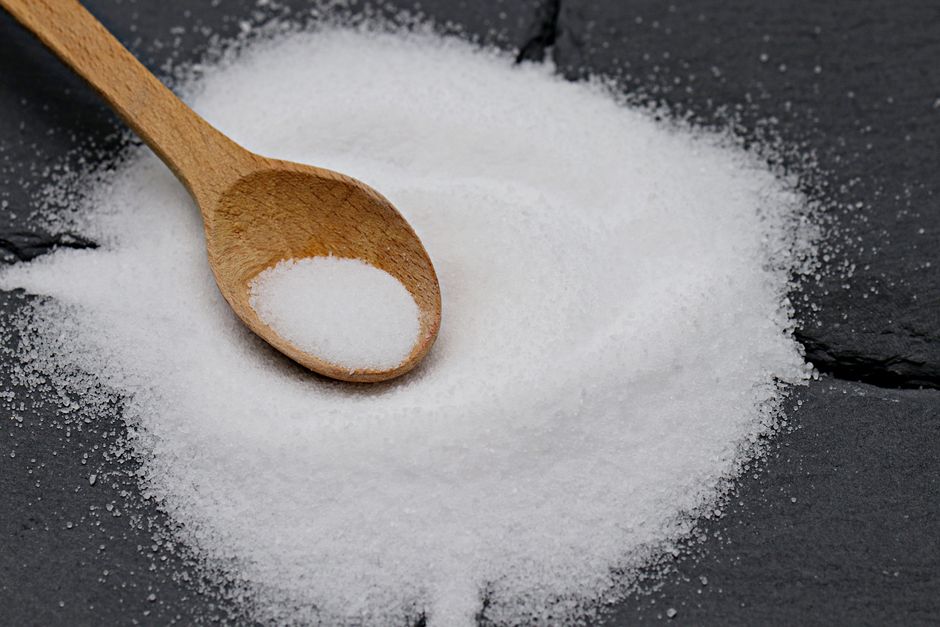
Most Americans eat far more sodium than their bodies need. The average intake is well above the recommended limit, and most of it comes from packaged and restaurant food, not the salt shaker. Cutting sodium is one of the most effective lifestyle changes for lowering blood pressure. For most people, reducing daily sodium to around 2,300 mg or less—and ideally to about 1,500 mg for those with high blood pressure—can produce a measurable drop in readings within weeks. The key is not just removing salt from cooking, but learning where sodium hides in your everyday food choices.
How Does Sodium Raise Blood Pressure?
Sodium attracts and holds water. When you eat more sodium than your kidneys can filter out, your body retains fluid. That extra fluid increases the total volume of blood in your arteries. More volume means more pressure against the vessel walls. That is the basic mechanism behind sodium and high blood pressure.
Over time, high pressure damages the inner lining of arteries. This damage makes it easier for plaque to build up, which narrows vessels and raises pressure further. Some people are more salt-sensitive than others. Age, genetics, kidney function, and conditions like diabetes all affect how your body handles sodium. But the general relationship holds: less sodium, less fluid retention, lower pressure.
Blood pressure is measured in millimeters of mercury and recorded as two numbers. Systolic pressure, the top number, measures pressure during a heartbeat. Diastolic pressure, the bottom number, measures pressure between beats. Normal is below 120/80. Hypertension begins at 130/80 or higher. Reducing sodium can lower systolic pressure by several points in many people, which is enough to move someone out of the hypertension range.
How Much Sodium Is Actually Too Much?
The Dietary Guidelines for Americans recommend limiting sodium to less than 2,300 mg per day. That is about one teaspoon of salt. The American Heart Association recommends an ideal limit of 1,500 mg per day for most adults, especially those with high blood pressure.
Most people consume around 3,400 mg daily. That gap matters. Even cutting from 3,400 to 2,300 mg can lower blood pressure in many people. The effect is often larger in people who already have hypertension or who are salt-sensitive.
One important detail: salt and sodium are not the same thing. Table salt is about 40% sodium by weight. One teaspoon of salt contains about 2,300 mg of sodium. When you read a food label, the number listed is sodium, not salt. This distinction matters because it is easy to underestimate how much sodium you are eating if you think in terms of salt.
Where Does Sodium Hide in Your Diet?
About 70% of the sodium in the typical American diet comes from processed and restaurant foods. You cannot taste all of it. Many foods that do not taste salty are loaded with sodium.
The biggest sources include:
- Breads and rolls
- Cold cuts and cured meats like ham and turkey
- Pizza
- Poultry dishes, especially breaded or marinated
- Canned soups and broths
- Sandwiches and burgers
- Cheese
- Pasta dishes with prepared sauces
- Snack foods like pretzels, chips, and crackers
- Condiments including soy sauce, ketchup, and salad dressings
Restaurant meals are a major contributor. A single restaurant entrée can contain more than a full day’s worth of sodium. Even dishes that seem healthy—like grilled chicken salads—can be high in sodium because of dressings, marinades, and seasoned meats.
Check food labels carefully. The Nutrition Facts panel lists sodium per serving. Pay attention to the serving size. A package that looks like one serving may contain two or three. The percent Daily Value for sodium is based on 2,300 mg. Anything at 20% or more per serving is considered high.





How To Reduce Sodium Intake And Lower Blood Pressure
Start by cooking more meals at home. When you control the ingredients, you control the sodium. Use herbs, spices, citrus, vinegar, and garlic instead of salt. These add flavor without adding sodium.
Read every label. Compare brands and choose the lowest-sodium option. Even within the same food category, sodium content varies widely. Bread, canned beans, and broths are good examples where switching brands can cut sodium significantly.
Rinse canned foods. Draining and rinsing canned beans and vegetables can reduce sodium by up to 40%. This simple step takes seconds and makes a real difference.
Buy fresh or frozen produce instead of canned when possible. When you do buy canned, look for “no salt added” or “low sodium” versions.
Limit processed meats. Deli turkey, bacon, sausage, and hot dogs are among the highest-sodium foods. If you eat them, treat them as an occasional choice, not a daily staple.
Watch condiments. Soy sauce, teriyaki sauce, barbecue sauce, and even some ketchups are sodium-heavy. Use them sparingly or find reduced-sodium versions.
Ask for nutrition information at restaurants. Most chains publish it online. Check before you go. When eating out, ask for sauces and dressings on the side. Request that your meal be prepared without added salt.
What About Salt Substitutes and Potassium?
Salt substitutes replace some or all of the sodium chloride with potassium chloride. They can lower sodium intake while adding potassium, which helps blood pressure. But they are not right for everyone.
People with kidney disease, those taking certain blood pressure medications like ACE inhibitors or potassium-sparing diuretics, and people with conditions that affect potassium handling should not use salt substitutes without medical advice. Excess potassium can be dangerous for these groups.
Increasing dietary potassium through food is generally safe and beneficial. Potassium helps relax blood vessel walls and counteracts some of sodium’s effects. Good sources include bananas, potatoes, sweet potatoes, spinach, beans, yogurt, and avocado. The recommended target for most adults is about 3,400 mg of potassium per day for men and 2,600 mg for women, though many people fall short.
The DASH diet—Dietary Approaches to Stop Hypertension—combines reduced sodium with increased potassium, calcium, and magnesium. Research consistently shows this eating pattern lowers blood pressure. It emphasizes vegetables, fruits, whole grains, lean protein, and low-fat dairy while limiting saturated fat and added sugar.
How Quickly Will Blood Pressure Improve?
Blood pressure changes can appear within weeks of reducing sodium. Some studies show noticeable improvements in as little as two to four weeks. The exact timing depends on your starting blood pressure, how much sodium you cut, and how salt-sensitive you are.
The effect is dose-dependent. Cutting from 3,400 mg to 2,300 mg produces a modest reduction. Cutting further to 1,500 mg produces a larger effect. People with higher starting blood pressure tend to see bigger drops.
Sodium reduction alone may not be enough for everyone. Other lifestyle factors matter: maintaining a healthy weight, regular physical activity, limiting alcohol, and managing stress. Some people will need medication regardless of diet changes. Sodium reduction still helps—it can lower the dose of medication needed or improve how well it works.
If you have high blood pressure and are considering major dietary changes, talk to your doctor. If you take blood pressure medication, do not stop or adjust it on your own. Dietary changes can alter how much medication you need, and that adjustment should be guided by a clinician.
Common Myths About Sodium and Blood Pressure
Myth: Sea salt is healthier than table salt. Sea salt and table salt contain roughly the same amount of sodium by weight. Sea salt may have trace minerals, but the amounts are too small to matter for health. The sodium content is the issue, not the source.
Myth: If food does not taste salty, it is low in sodium. Many sweet foods contain significant sodium. Bakery items, cereals, and even some desserts include added salt. Always check the label.
Myth: Sweating a lot means you need more salt. Most people do not need to replace sodium after routine exercise. Only prolonged, intense activity in hot conditions—like endurance sports lasting several hours—warrants sodium replacement. The average person gets plenty of sodium from food.
Myth: Cutting sodium will fix blood pressure overnight. It takes time. Blood pressure responds gradually as your body adjusts fluid balance. Give it several weeks before judging the effect.
Myth: You need salt for your thyroid. The thyroid needs iodine, not salt specifically. Iodized salt is one source of iodine, but seafood, dairy, and eggs also provide it. If you reduce salt, you can still meet iodine needs through food or a supplement if your doctor recommends one.
Frequently Asked Questions
How much sodium should I eat per day to lower blood pressure?
Most adults with high blood pressure should aim for no more than 1,500 mg of sodium per day. The general upper limit for everyone is 2,300 mg daily.
Will cutting sodium lower my blood pressure if I already take medication?
Yes, reducing sodium can lower blood pressure further even when you are on medication. Do not adjust your medication dose on your own—talk to your doctor about what changes are needed.
How long does it take for blood pressure to drop after reducing sodium?
Many people see measurable improvements within two to four weeks of consistent sodium reduction. The effect depends on how much sodium you cut and how salt-sensitive your body is.
Is sea salt better for blood pressure than regular table salt?
No. Sea salt and table salt contain nearly the same amount of sodium by weight. For blood pressure, the total sodium amount matters, not the type of salt.
