
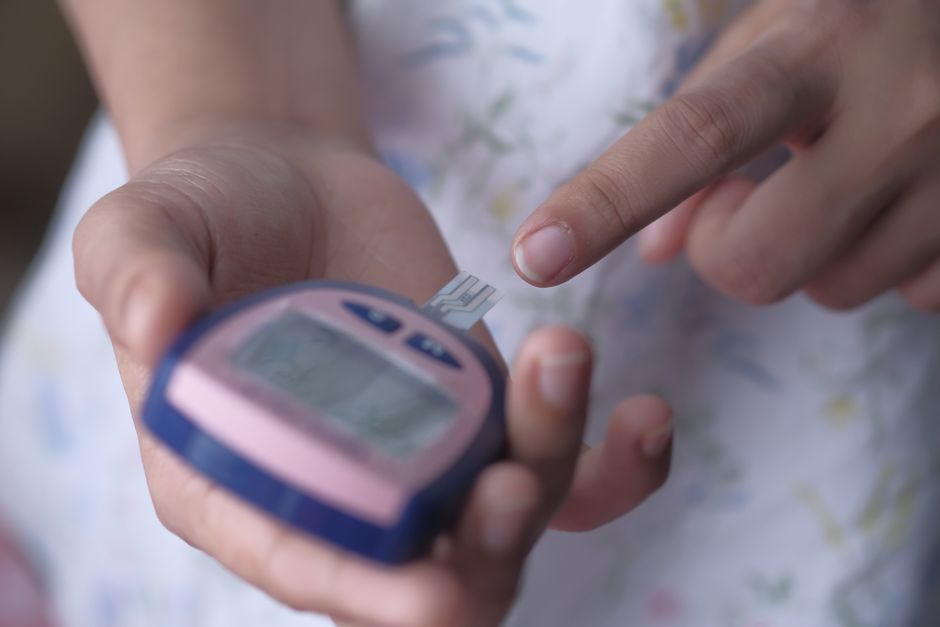
A glucose test measures how well your body processes sugar. What you eat beforehand can change your results, sometimes in ways that lead to a wrong diagnosis. For a fasting glucose test, you must eat nothing for 8 to 12 hours before the blood draw. For an oral glucose tolerance test, you follow the same fasting rule, but you also need to eat a normal diet in the days leading up to it.
What Is A Glucose Test Measuring?
A glucose test checks the amount of sugar in your blood. Sugar, or glucose, is your body’s main fuel source. After you eat, your blood sugar rises. Your pancreas releases insulin, a hormone that helps move sugar into your cells. That process brings your blood sugar back down.
Doctors use glucose tests to screen for diabetes, prediabetes, and gestational diabetes. They also use them to monitor people who already have diabetes. The test tells your doctor how well your body handles sugar over a specific period.
There are several types of glucose tests. Each one has different preparation rules. Knowing which test you are taking matters because the food rules are not the same for all of them.
Fasting Glucose Test: What To Eat Before
A fasting blood glucose test requires you to fast for 8 to 12 hours. During that time, you can only drink water. No food, no juice, no coffee with cream or sugar. Even black coffee is not recommended because it can affect your blood sugar in some people.
The best approach is to schedule the test early in the morning. That way, most of your fasting time happens while you sleep. Eat a normal dinner the night before, then stop eating when you wake up or at the designated time your doctor gave you.
Your dinner the night before should be balanced. Include protein, vegetables, and a sensible portion of carbohydrates. Avoid heavy, high-fat meals late at night. They can affect your morning blood sugar reading, especially if you have any insulin resistance.
What To Avoid Before A Fasting Glucose Test
Do not eat anything during the fasting window. This includes snacks, gum, candy, and mints. Even small amounts of sugar or carbohydrates can raise your blood sugar and skew your results.
Avoid alcohol for at least 24 hours before the test. Alcohol can interfere with liver glucose production and lead to inaccurate readings. It can cause both falsely high and falsely low results depending on the circumstances.
Do not exercise vigorously before a fasting blood draw. Intense exercise can temporarily raise blood sugar by triggering stress hormones. A gentle walk is fine. A hard workout is not.
If you take medication, ask your doctor whether to take it before the test. Some medications affect blood sugar. Your doctor may want you to hold certain medications until after the blood draw.

Oral Glucose Tolerance Test: The Days Before
The oral glucose tolerance test (OGTT) is different. It measures how your body responds to a specific amount of sugar. You drink a sweet liquid containing a measured dose of glucose, then your blood is drawn at intervals to see how quickly your body clears the sugar.
For this test, you must eat a normal diet for at least three days beforehand. Do not restrict carbohydrates. Do not go on a low-carb or keto diet. Your body needs adequate carbohydrate intake for the test to be valid. If you have been eating very few carbs, your body may respond abnormally to the sugar drink, producing a falsely high result.
Your last meal before the fasting period should be balanced and not excessively high in sugar. After that, you fast for 8 to 12 hours. Most guidelines recommend fasting for at least 8 hours before the OGTT.
Gestational Diabetes Testing: Special Considerations
Pregnant women typically undergo glucose testing between 24 and 28 weeks of pregnancy. This screens for gestational diabetes, a condition that affects how the body processes sugar during pregnancy.
The preparation for gestational diabetes testing is the same as for other glucose tolerance tests. Fast for 8 to 12 hours. Eat normally in the days before. Do not diet or restrict carbohydrates during pregnancy without medical supervision.
Some practices use a two-step approach. The first step is a glucose challenge test, which does not require fasting in most cases. You drink a sugary beverage, and your blood is drawn one hour later. If that result is elevated, you proceed to the three-hour oral glucose tolerance test, which does require fasting.
Ask your doctor which test you are having. The preparation is different, and showing up fasted when you did not need to fast can be an inconvenience. Showing up unfasted when you should have fasted can invalidate the test.
How Food Choices Affect Your Results
Your blood sugar reflects what you ate in the hours and days before the test. A single high-sugar meal right before a test can raise your glucose. Long-term eating patterns matter too. If you consistently eat a diet high in refined carbohydrates and sugar, your fasting glucose may be higher than someone who eats a balanced diet.
Stress also affects blood sugar. Illness, infection, and even lack of sleep can raise glucose levels. Tell your doctor if you are sick or under significant stress before your test. They may want to reschedule.
Certain medications raise blood sugar. These include corticosteroids, some diuretics, and some psychiatric medications. Birth control pills can affect glucose metabolism in some women. Always provide your doctor with a complete list of medications and supplements you take.
What Happens If You Eat Before The Test?
If you accidentally eat before a fasting glucose test, tell the person drawing your blood. They will likely reschedule the test. A non-fasting result is not useless, but it cannot be interpreted the same way as a fasting result.
Your doctor may use a random glucose test instead. This test does not require fasting and can be done at any time. A random glucose level above 200 mg/dL, combined with symptoms like frequent urination or excessive thirst, can indicate diabetes. But this is not the standard screening approach.
Do not try to “cheat” the test by eating less in the days before. This does not give an accurate picture of your usual blood sugar control. The test is meant to reflect how your body normally handles glucose, not how it handles glucose under special conditions.
Tips For Accurate Glucose Test Results
- Confirm your fasting instructions with your doctor before the test.
- Schedule morning appointments to minimize the fasting burden.
- Drink water during the fasting period. Staying hydrated makes the blood draw easier.
- Bring a snack to eat immediately after the test is complete.
- Rest quietly while waiting for your blood draw. Avoid stairs and stressful activities.
- Wear comfortable clothing with easy access to your arm.
These steps help ensure your results reflect your true glucose status. Accurate results lead to accurate diagnoses, which lead to appropriate treatment plans.
What To Eat Before A Glucose Test And What To Avoid: Quick Summary
For a fasting test, eat nothing for 8 to 12 hours. Water is allowed. Nothing else.
For an oral glucose tolerance test, eat a normal diet for three days before, then fast for 8 to 12 hours before the test.
Avoid alcohol for 24 hours before any glucose test. Avoid vigorous exercise on the morning of the test.
Take your regular medications unless your doctor tells you otherwise. Some medications affect blood sugar, so your doctor needs to know exactly what you are taking.
If you are unsure about any instruction, call your doctor’s office. It is better to ask than to show up unprepared and have to reschedule.
Frequently Asked Questions
Can I drink water before a fasting glucose test?
Yes, plain water is allowed and encouraged. Avoid all other beverages, including coffee, tea, juice, and sports drinks.
Can I brush my teeth before a glucose test?
Yes, brushing your teeth is fine as long as you do not swallow toothpaste. Avoid mouthwash containing sugar.
What if I accidentally ate before my glucose test?
Tell the lab or your doctor immediately. They will likely reschedule the test because a non-fasting result cannot be interpreted the same way.
How long do I need to fast for a glucose tolerance test?
You need to fast for 8 to 12 hours before the test. Most doctors recommend fasting overnight for the most reliable results.
