
Your blood glucose levels should typically stay between 70 and 99 mg/dL when you have not eaten for at least eight hours. After meals, they should stay below 140 mg/dL. These numbers come from the American Diabetes Association and are the standard targets for most healthy adults. If your levels are higher than these ranges, it may indicate prediabetes or diabetes and you should speak with a doctor.
What Is Blood Glucose Exactly?
Blood glucose is simply the amount of sugar in your blood at any given moment. Your body gets this sugar from the food you eat, especially carbohydrates. Your cells need glucose for energy, and your brain runs almost entirely on it.
Your body keeps blood glucose in a tight range using insulin, a hormone made by the pancreas. When you eat, your pancreas releases insulin to help move glucose from your blood into your cells. This process lowers your blood sugar back to normal levels. When this system works well, your levels stay steady throughout the day.
Problems happen when your body stops responding to insulin properly or stops making enough of it. That is when blood glucose levels can rise too high and stay high. This is the core issue in prediabetes and type 2 diabetes.
What Should Your Blood Glucose Levels Be at Different Times?
Your blood glucose levels change throughout the day based on when and what you eat. The most important numbers to know are your fasting level and your level after meals. These two measurements tell doctors the most about your metabolic health.
| Time of Measurement | Normal Range (mg/dL) | Prediabetes Range | Diabetes Range |
|---|---|---|---|
| Fasting (8+ hours no food) | 70–99 | 100–125 | 126 or higher |
| 2 hours after a meal | Below 140 | 140–199 | 200 or higher |
| Random (any time of day) | Below 140 | 140–199 | 200 or higher |
| A1C (3-month average) | Below 5.7% | 5.7%–6.4% | 6.5% or higher |
These ranges come directly from the American Diabetes Association and the CDC. They are the same standards used by most doctors in the United States. If your numbers fall into the prediabetes range, you are at higher risk for developing type 2 diabetes, but lifestyle changes can often bring levels back to normal.
One thing many people do not realize is that blood glucose levels naturally rise a little as you age. A fasting level of 95 at age 60 is different than the same level at age 30. However, the official ranges above apply to all adults regardless of age. Your doctor may adjust targets based on your personal health situation.
What Happens When Blood Glucose Levels Go Too High or Too Low?
High blood glucose, called hyperglycemia, does not usually cause symptoms right away. Over time, consistently high levels damage blood vessels, nerves, and organs. The CDC reports that about 1 in 3 American adults has prediabetes, and most do not know it because they feel fine.
Symptoms of high blood glucose include frequent urination, excessive thirst, blurred vision, and fatigue. These symptoms develop slowly and can be easy to dismiss as just getting older or being busy. That is why routine blood tests are so important.
Low blood glucose, called hypoglycemia, is more dangerous in the short term. Levels below 70 mg/dL can cause shakiness, confusion, sweating, and dizziness. If it drops below 54 mg/dL, it can lead to loss of consciousness or seizures. This is most common in people taking insulin or certain diabetes medications. For someone without diabetes, true hypoglycemia is rare.
Research published in the journal Diabetes Care found that even mild hypoglycemia can affect cognitive function and mood. The brain is extremely sensitive to low glucose levels, which is why symptoms come on fast. If you feel shaky or confused between meals, checking your blood sugar can tell you if low glucose is the cause.





What Factors Affect Your Blood Glucose Levels the Most?
Food is the biggest factor. Carbohydrates raise blood glucose the most, especially refined carbs like white bread, pasta, and sugary drinks. Protein and fat have minimal direct effect on blood sugar, though they can slow digestion and blunt the spike from carbs eaten at the same meal.
Physical activity is the second most powerful factor. Exercise makes your muscles more sensitive to insulin, meaning they pull glucose out of your blood more efficiently. A single session of moderate exercise can improve insulin sensitivity for 24 to 48 hours. The American Diabetes Association recommends at least 150 minutes of moderate activity per week for blood sugar management.
Stress and sleep also play major roles. When you are stressed, your body releases cortisol and adrenaline, both of which raise blood glucose. Poor sleep does the same thing. A study from the University of Chicago found that just four nights of poor sleep reduced insulin sensitivity by 25 percent in healthy adults. This effect is significant enough to push someone with borderline numbers into the prediabetes range.
Other factors include medications (steroids, some antidepressants, and birth control can raise levels), illness or infection, and even your menstrual cycle. Blood glucose is not a static number. It is a reflection of everything happening in your body at that moment.
How Do You Check Your Blood Glucose Levels?
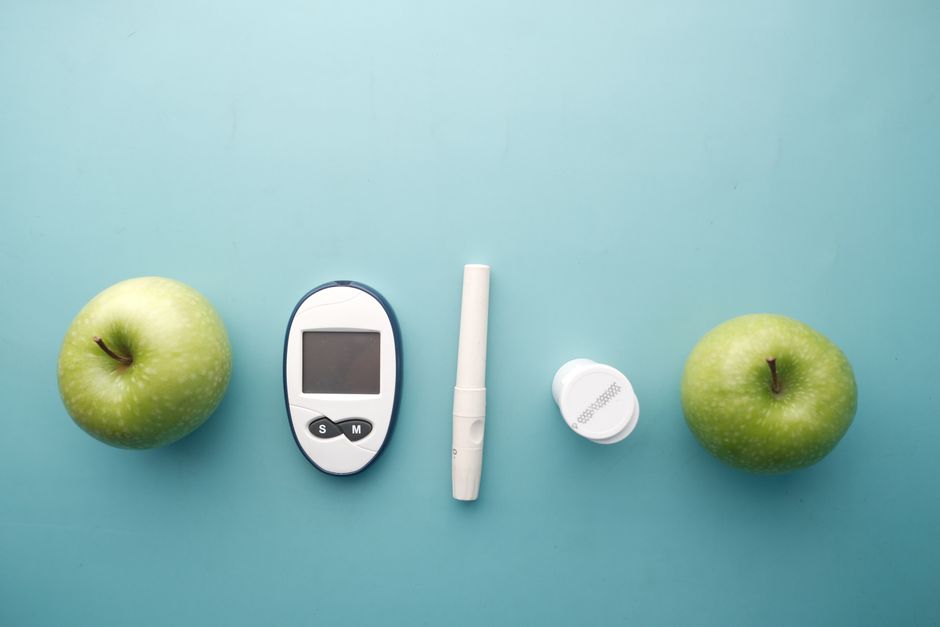
The most common method is a finger-stick test using a glucose meter. You prick your finger with a small lancet, place a drop of blood on a test strip, and the meter gives you a number in seconds. These meters are widely available and relatively accurate when used correctly.
Continuous glucose monitors (CGMs) are becoming more common for people without diabetes. A CGM uses a small sensor placed under your skin that measures glucose in the fluid between your cells. It sends readings to your phone every few minutes. Some people report that seeing their glucose levels in real time helps them make better food choices.
There is a common claim online that you can check your blood sugar without a meter using symptoms alone. This is not reliable. Symptoms of high and low blood sugar overlap with many other conditions, and by the time you feel symptoms, your levels may already be in a dangerous range. The only way to know for sure is with a blood test.
For routine screening, your doctor will order a fasting blood glucose test or an A1C test. The A1C test measures your average blood glucose over the past two to three months. It does not require fasting and is a good overall picture of your glucose control. The CDC recommends adults over 45 get tested every three years, and earlier for those with risk factors like being overweight or having a family history of diabetes.
What Should Your Blood Glucose Levels Be If You Have Diabetes?
If you have been diagnosed with diabetes, your target levels may be different from the general ranges. The American Diabetes Association gives general targets, but your doctor will set personalized goals based on your age, how long you have had diabetes, and your overall health.
Typical targets for most adults with diabetes are 80 to 130 mg/dL before meals and below 180 mg/dL one to two hours after eating. The A1C goal is usually below 7 percent. For older adults or those with other health conditions, targets may be less strict to avoid dangerous low blood sugar events.
It is worth noting that these targets are not about perfection. Everyone with diabetes has days where their blood sugar runs high. The goal is to keep levels in range as much as possible, not to never have a high reading. A single high reading does not cause damage. It is consistently high levels over months and years that lead to complications.
Research from the landmark Diabetes Control and Complications Trial, published in the New England Journal of Medicine, showed that keeping blood glucose close to normal significantly reduced the risk of eye, kidney, and nerve damage. The study followed people with type 1 diabetes for over a decade and found that even modest improvements in blood sugar control had lasting benefits.
Frequently Asked Questions
What is a normal blood sugar level for a person without diabetes?
For a person without diabetes, normal fasting blood sugar is between 70 and 99 mg/dL. After meals, it should stay below 140 mg/dL.
What should I do if my fasting blood sugar is 110?
A fasting level of 110 mg/dL falls in the prediabetes range. You should schedule an appointment with your doctor for further testing and discuss lifestyle changes.
Can drinking water lower blood glucose levels?
Drinking water helps your kidneys flush out excess sugar through urine. It can lower high blood glucose but will not fix the underlying cause of high levels.
How long after eating should I check my blood sugar?
The standard time to check after a meal is two hours from the start of eating. This gives your body enough time to digest and process the food.
