

If your blood sugar is high, you can often see a drop within a few hours after taking fast-acting insulin or doing moderate exercise. For most people, a significant and lasting reduction in average glucose levels takes two to three weeks of consistent diet and lifestyle changes. The exact time depends on your starting point, what you change, and how your body responds.
What Is a Normal Glucose Level and How High Is Too High?
Your blood glucose level changes throughout the day based on when you last ate. A normal fasting glucose level is below 100 mg/dL. The American Diabetes Association considers a fasting level of 100 to 125 mg/dL as prediabetes. A level of 126 mg/dL or higher on two separate tests means diabetes.
After eating, blood sugar rises temporarily. In people without diabetes, it usually stays below 140 mg/dL and returns to normal within two hours. For someone with diabetes, post-meal levels can spike much higher and take longer to come down.
Knowing your numbers matters. A reading of 180 mg/dL or higher two hours after eating is a sign that glucose management needs attention. If your levels are consistently above 200 mg/dL, you should talk to a doctor before starting any new routine.
The Centers for Disease Control and Prevention reports that about 1 in 3 American adults has prediabetes. Most of them do not know it. If you fall into this group, lifestyle changes can bring levels down to normal in a matter of weeks.
How Fast Can Diet Changes Lower Your Glucose?
Diet is the most powerful lever you have. A single low-carb meal can lower your post-meal glucose spike compared to a high-carb meal. That effect happens within one to two hours of eating. But meaningful changes in your average daily glucose take longer.
When people switch to a diet that cuts refined carbohydrates and added sugars, fasting glucose often starts dropping within three to seven days. A study published in Diabetes Care found that people with type 2 diabetes who followed a low-carb diet saw significant reductions in fasting glucose after just two weeks. The full benefit took about four to six weeks to stabilize.
The key is consistency. One healthy meal does not reverse weeks of high blood sugar. Your body needs time to clear out stored glucose and reduce insulin resistance. Most people see their fasting glucose drop by 10 to 20 points in the first two weeks if they stick with the changes.
What you eat matters more than how much you eat. Cutting sugar-sweetened drinks alone can lower fasting glucose by 5 to 10 points within a week. Replacing white bread and pasta with vegetables and lean protein has a similar effect.
How Long Does Exercise Take to Lower Blood Sugar?
Exercise works fast. A single session of moderate activity like brisk walking can lower blood sugar within 30 to 60 minutes. The effect can last for several hours afterward. This happens because your muscles use glucose for energy without needing as much insulin.
For people with type 2 diabetes, the drop can be significant. A 15-minute walk after a meal can reduce the post-meal glucose spike by 20 to 30 mg/dL. This is a well-documented effect and one of the most reliable ways to lower blood sugar quickly.
However, intense exercise can temporarily raise blood sugar. When you push hard, your liver releases stored glucose to fuel your muscles. This spike is usually short-lived. For most people, the overall effect of regular exercise is a steady decline in average glucose levels over two to four weeks.
Strength training also helps. Building muscle increases your body’s glucose storage capacity. Over several weeks, this improves insulin sensitivity and lowers fasting glucose. The combination of aerobic and resistance training gives the best results.



How Long Does It Take to Lower Your Glucose Levels With Medication?
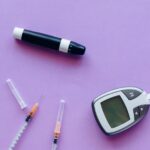
Different medications work at different speeds. Rapid-acting insulin starts working in about 15 minutes and peaks within one to two hours. It can bring a high glucose reading down by 50 to 100 mg/dL in that time. This is the fastest way to lower blood sugar.
Metformin, the most common oral diabetes medication, does not work that fast. It takes several days to start lowering glucose and up to two weeks to reach its full effect. The typical reduction in fasting glucose with metformin is 25 to 40 mg/dL.
Newer medications like GLP-1 receptor agonists work differently. They slow digestion and increase insulin release. People often see lower glucose levels within the first week, but maximum benefit takes four to eight weeks. Some people report feeling the effects on appetite and blood sugar within 24 hours of the first dose.
It is important to note that medication works best alongside diet and exercise. Relying on medication alone without lifestyle changes often leads to smaller improvements and the need for higher doses over time.
| Method | Time to First Effect | Time to Full Effect | Typical Glucose Drop |
|---|---|---|---|
| Rapid-acting insulin | 15-30 minutes | 1-2 hours | 50-100 mg/dL |
| Moderate exercise | 30-60 minutes | Immediate to several hours | 20-30 mg/dL |
| Low-carb diet change | 3-7 days | 2-4 weeks | 10-30 mg/dL fasting |
| Metformin | 3-5 days | 2 weeks | 25-40 mg/dL fasting |
| GLP-1 agonists | 24 hours | 4-8 weeks | 20-40 mg/dL fasting |
What Slows Down Your Progress in Lowering Glucose?
Several common mistakes can delay or prevent glucose from dropping as expected. The most common one is underestimating hidden sugars. Ketchup, salad dressing, yogurt, and granola bars often contain added sugars that add up throughout the day.
Poor sleep is another major factor. Studies show that sleeping fewer than six hours per night increases insulin resistance. Your fasting glucose can be 5 to 10 points higher after a bad night of sleep. Many people do not connect their sleep habits to their blood sugar numbers.
Stress also plays a role. Cortisol, the stress hormone, tells your liver to release glucose. Chronic stress keeps glucose levels higher than they would be otherwise. This is not something you can fix in a day, but managing stress through short breaks or walking can help.
Some people also expect results too fast. If you check your fasting glucose every morning and feel discouraged after three days, you might give up before the real changes start. Most meaningful reductions take at least one to two weeks to show up on the meter.
How to Track Your Progress Accurately
Checking your blood sugar at the right times gives you useful information. The most important readings are fasting glucose in the morning and post-meal glucose two hours after eating. These two numbers tell you how well your body handles sugar overnight and after meals.
Do not compare one day to the next. Blood sugar naturally varies by 10 to 20 mg/dL from day to day. Look at weekly averages instead. A downward trend over two weeks is a real sign of progress. A single high reading is not a failure.
Some people use continuous glucose monitors. These devices give real-time data and show how your glucose responds to specific foods and activities. They can help you see a drop within 30 minutes of exercise or a spike after a certain meal. This feedback helps you make faster adjustments.
Keep a simple log. Write down your fasting number, what you ate, and any exercise. After two weeks, look for patterns. If your glucose is not dropping, look at hidden sugars, sleep, and stress before assuming the method does not work.
Frequently Asked Questions
How long does it take to lower glucose levels naturally?
Most people see a noticeable drop in fasting glucose within one to two weeks of consistent diet and exercise changes. Full improvement in average levels typically takes three to four weeks.
Can drinking water lower blood sugar quickly?
Water helps your kidneys flush out excess glucose through urine, but the effect is modest and takes several hours. It is not a rapid solution for high blood sugar.
How long after eating does blood sugar return to normal?
In people without diabetes, blood sugar usually returns to normal within two hours after eating. In people with diabetes, it can take three to four hours or longer depending on the meal and medication.
Does walking after a meal lower blood sugar?
Yes, a 15-minute walk after a meal can lower your blood sugar by 20 to 30 mg/dL within 30 to 60 minutes. This is one of the most effective quick interventions.
