
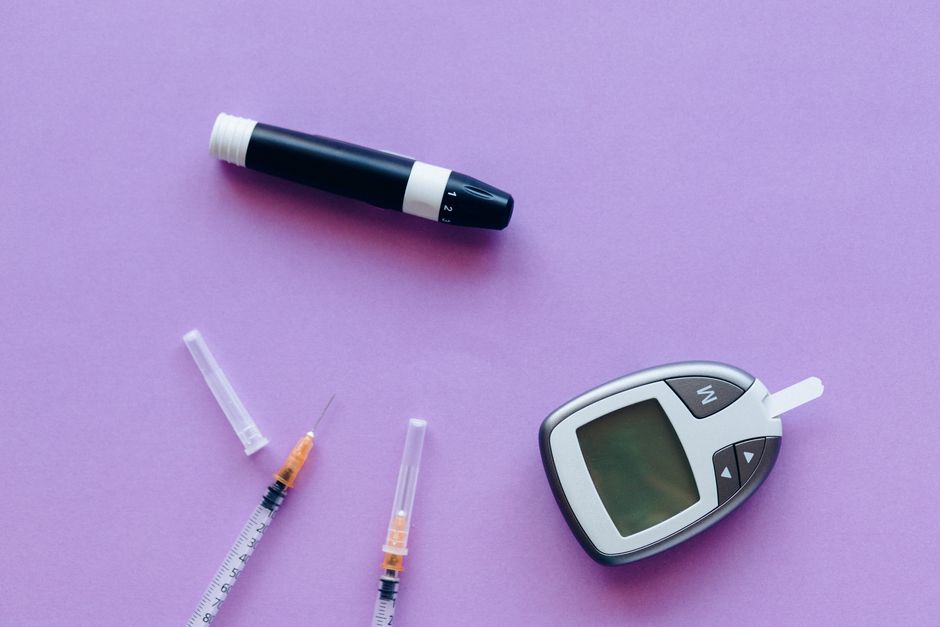
If you are thinking about using a continuous glucose monitor, the first question is usually about pain. The short answer is that the insertion is quick and most people describe it as a brief pinch. The sensor uses a tiny filament that sits just under the skin, not a needle that stays in. After the first few seconds, most users report little to no ongoing pain. The discomfort is far less than a typical finger stick and fades quickly. This guide explains exactly what to expect, what the research says, and how to make the experience as easy as possible.
What Does the Insertion Feel Like?
The sensor applicator uses a spring-loaded mechanism to place the filament. You hear a click, feel a quick pressure, and it is done. Most people compare it to a finger prick or a mosquito bite that lasts one second. The filament is very thin — about the width of a few human hairs — and it sits in the interstitial fluid just below the skin, not in a blood vessel.
Some people feel nothing at all. Others feel a mild sting that fades within 10 to 15 seconds. The sensation depends partly on where you place it. The back of the upper arm is the most common site and has fewer nerve endings than fingertips. The abdomen and upper buttocks are also options with most devices. The CDC notes that the insertion process is designed to be minimally painful and most adults tolerate it well.
Research published in Diabetes Technology & Therapeutics found that over 90 percent of users rated the insertion pain as mild or none. Only a small percentage reported moderate discomfort and almost no one described it as severe. If you have a low pain tolerance, you can ask someone else to press the applicator for you. That often reduces anxiety and makes the process feel faster.
Do Continuous Glucose Monitors Hurt During Daily Wear?
Once the sensor is in, most people do not feel it at all. The filament is flexible and moves with your skin. You can sleep, exercise, shower, and wear normal clothes without noticing it. Some users report a mild sensation of something being on the skin for the first few hours. That usually goes away as you get used to it.
Occasional discomfort can happen. If you bump the sensor against a door frame or sleep on it wrong, you might feel a brief pinch. That is normal and not a sign of a problem. The sensor is held in place by a strong adhesive patch. If the patch starts to peel, it can tug on the skin and cause irritation. Keeping the edges pressed down helps prevent this.
The American Diabetes Association states that CGMs are generally well tolerated for up to 14 days of continuous wear, depending on the brand. Most people forget the sensor is there after the first day. If you feel persistent pain at the site, it may be a sign of improper placement or an allergic reaction to the adhesive. That is uncommon but worth checking.
What About Removing the Sensor?
Removal is usually painless. You peel off the adhesive patch and the filament slides out easily. It is similar to removing a bandage. Some people feel a slight tug on the skin from the adhesive, especially if it has been on for the full wear period. Pulling slowly and using a bit of oil or adhesive remover can make it completely comfortable.
There is no needle to worry about. The filament is soft and flexible. It does not leave a wound. You might see a tiny red dot where it was, but that fades within a day. The skin underneath is often a little sticky from the adhesive residue. Washing with soap and water takes care of that.
If the adhesive is very strong, you can use an alcohol wipe or a commercial adhesive remover pad. Do not yank it off quickly. Slow and steady wins here. Some people find that removing it in the shower under warm water loosens the adhesive and makes the process even easier.


What Does Research Say About Pain and CGMs?
Multiple studies have looked at pain levels with CGM use. A 2021 study in Journal of Diabetes Science and Technology compared finger stick pain to CGM insertion pain. Participants rated finger sticks as significantly more painful on a standard pain scale. The CGM insertion was rated as a 1 out of 10 on average. Finger sticks were rated around 3 to 4 out of 10.
Another study from Diabetes Care followed adults using CGMs for six months. Less than 5 percent of participants discontinued use because of discomfort. The most common reason for stopping was skin irritation from the adhesive, not pain from the filament. The researchers noted that skin reactions were usually mild and manageable with barrier creams or changing the placement site.
For children, the evidence is similar. A 2022 review in Pediatric Diabetes found that children aged 4 to 17 tolerated CGM insertion well. Parents reported that the insertion was less stressful than finger sticks. Some children needed distraction techniques like watching a video during insertion, but most adapted quickly. The review concluded that the benefits of glucose monitoring far outweighed the brief discomfort.
How to Minimize Discomfort During Insertion
You can take a few simple steps to make insertion as easy as possible. First, choose a site that has some fat tissue. The back of the upper arm works well for most people. Avoid areas right over muscle or bone. Pinch the skin gently before pressing the applicator. That lifts the tissue and gives the filament a clear path.
Second, make sure the skin is clean and dry. Alcohol wipes are fine but let the alcohol evaporate completely before inserting. If the skin is damp, the adhesive may not stick well and the sensor can move around, causing irritation. Third, relax your arm. Tensing up makes the insertion feel sharper. Take a slow breath out as you press the button.
- Use a numbing cream like lidocaine 30 minutes before if you are very nervous
- Apply the sensor after a warm shower when skin is softer
- Have someone else do the insertion if you feel anxious
- Distract yourself with a video or music during the click
- Rotate sites each time to avoid skin buildup
Some brands now offer applicators that are quieter and have less spring force. The Dexcom G7 and Freestyle Libre 3 are both noted for smoother insertion. If you have tried one brand and found it uncomfortable, another brand may feel different. The technology has improved significantly in the last few years.
Common Misconceptions About CGM Pain
A common myth is that the sensor contains a needle that stays in your arm. That is false. The insertion needle is only used to guide the filament in and then retracts completely. Nothing sharp remains in your body. The filament is a soft, flexible wire that your body barely notices.
Another myth is that CGMs hurt more than finger sticks. Research consistently shows the opposite. Finger sticks puncture a blood vessel with a lancet. CGMs place a tiny filament in the interstitial fluid. The pain signal is much weaker. People who have used both almost always prefer the CGM.
Some people worry that the sensor will hurt during exercise or sleep. Most users report no difference in comfort during activity. The sensor is waterproof and stays put. If you feel a pinch during a workout, it is usually from the adhesive pulling, not the filament. A small piece of medical tape over the edges can fix that.
Comparison of CGM Brands and Insertion Experience
| Brand | Filament Length | Insertion Sensation | Wear Duration |
|---|---|---|---|
| Dexcom G7 | ~0.5 mm | Quick pinch, very mild | 10 days |
| Freestyle Libre 3 | ~0.6 mm | Mild pressure, almost painless | 14 days |
| Medtronic Guardian 4 | ~0.8 mm | Slight sting, brief | 7 days |
| Eversense (implantable) | N/A (implanted by doctor) | Local anesthetic used | 90 to 180 days |
The Eversense is different because a doctor inserts it under the skin with a small incision. That requires a local numbing shot. After that, you feel nothing during daily wear. It is an option for people who want a longer-lasting sensor and do not mind a doctor visit for insertion and removal.
For the standard adhesive sensors, the differences between brands are small. Most people cannot tell which brand they are wearing after the first hour. The choice usually comes down to smartphone compatibility, accuracy, and cost rather than pain level.
What to Do If You Experience Persistent Pain
If the insertion site hurts for more than a few hours, something may be wrong. The sensor might be placed in an area with too little fat, or the filament may have hit a small nerve. Remove the sensor and try a different site. Do not leave a painful sensor in place. The discomfort is not dangerous, but it is not worth tolerating.
Skin irritation from the adhesive is more common than pain from the filament. Redness, itching, or a rash under the patch can happen. This is usually a reaction to the adhesive, not the sensor itself. Barrier wipes, hydrocolloid patches, or switching to a different brand can help. The FDA has received reports of skin reactions but rates them as uncommon and manageable.
If you have a known allergy to medical adhesives, talk to your doctor before starting a CGM. Some brands use different adhesives and one may work better for you. A dermatologist can also recommend a skin prep routine that reduces irritation. Most people find a solution quickly and continue using the device without issues.
Infection at the insertion site is extremely rare. The sensor is sterile and the insertion is minimally invasive. Keeping the site clean and dry during wear is enough to prevent problems. If you see pus, increasing redness, or feel heat around the site, remove the sensor and contact your healthcare provider. That is a sign of infection, though it happens in less than 1 percent of users according to manufacturer data.
Frequently Asked Questions
Does the CGM sensor hurt when it goes in?
Most people feel a quick pinch that lasts one to two seconds. The sensation is much milder than a finger stick.
Can you feel the sensor while wearing it?
After the first few hours, most users do not feel the sensor at all. It is designed to be unobtrusive during daily activities.
Is it safe to remove the sensor yourself?
Yes, you peel it off like a bandage. The filament slides out easily and leaves no wound.
What if the sensor hurts after a few days?
Remove it and try a different placement site. Persistent pain is not normal and usually means the sensor was placed poorly.
