
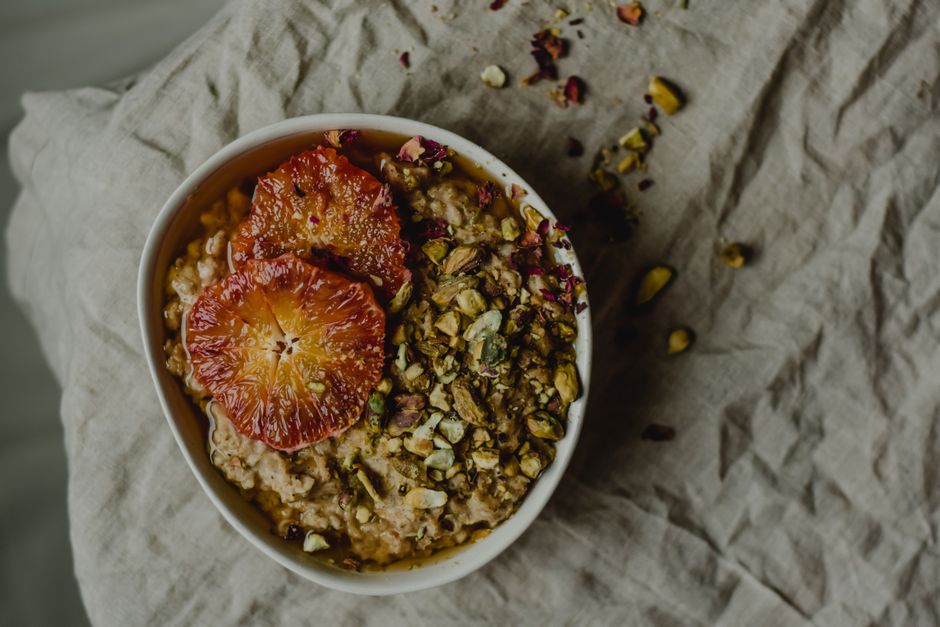
Yes, oatmeal can help with high blood pressure, but it is not a cure or a replacement for medication. The evidence is strong that eating oatmeal regularly, as part of an overall healthy diet, can lower systolic blood pressure by a modest but meaningful amount. The key is the type of fiber in oats called beta-glucan, which has a direct effect on how your body handles cholesterol and blood pressure. However, the benefits depend heavily on what you put on your oatmeal and what the rest of your diet looks like.
How Does Oatmeal Lower Blood Pressure?
The main mechanism is through beta-glucan, a type of soluble fiber found in oats. When you eat oatmeal, this fiber turns into a gel-like substance in your digestive system. That gel binds to cholesterol-rich bile acids and helps remove them from your body. Your liver then has to pull more cholesterol from your blood to make new bile acids, which lowers your total and LDL (bad) cholesterol levels. Lower cholesterol means less plaque buildup in your arteries, which makes it easier for blood to flow and reduces pressure on artery walls.
There is also a second, less obvious effect. Beta-glucan slows down how fast your body digests carbohydrates. This prevents sharp spikes in blood sugar after a meal. Over time, stable blood sugar levels help your blood vessels stay flexible and responsive. Stiff arteries are a major contributor to high blood pressure, so anything that keeps them elastic helps.
Research published in the Journal of the American Medical Association has shown that diets rich in whole grains like oats are linked to lower rates of hypertension. A 2015 meta-analysis of clinical trials found that eating about three grams of beta-glucan per day (roughly one bowl of oatmeal) reduced LDL cholesterol by about five to seven percent. That reduction directly supports lower blood pressure numbers.
Does Oatmeal Help With High Blood Pressure or Just Cholesterol?
This is a fair question because most of the strong clinical evidence focuses on cholesterol. But blood pressure and cholesterol are deeply connected. When cholesterol builds up in your arteries, they become narrower and stiffer. Your heart has to pump harder to push blood through, which raises blood pressure. So by lowering cholesterol, oatmeal indirectly lowers blood pressure.
Some studies have looked directly at blood pressure. A 2016 study in the Journal of Nutrition found that adults who ate whole-grain oats for twelve weeks had a significant drop in systolic blood pressure compared to those who ate refined grains. The drop was about four to five points on average. That may not sound dramatic, but a five-point reduction in systolic blood pressure across a population lowers the risk of stroke by about 14 percent.
It is important to be honest here. Oatmeal will not fix high blood pressure caused by genetics, obesity, or a high-sodium diet on its own. It is a supportive tool, not a standalone treatment. If your blood pressure is very high, medication is still the most effective option. Oatmeal works best as part of a broader dietary pattern like the DASH diet, which is specifically designed to lower blood pressure.
What Type of Oatmeal Is Best for Blood Pressure?
Not all oatmeal is the same. The processing method changes how much beta-glucan is available and how quickly your body digests it. Steel-cut oats and rolled oats are the best choices because they are minimally processed. They contain the full amount of beta-glucan and digest slowly, which gives you the blood sugar and cholesterol benefits. Instant oats are more processed. They have a higher glycemic index, meaning they spike blood sugar faster, which reduces their benefit for blood pressure.
Here is a quick comparison of common oat types:
| Oat Type | Processing Level | Beta-Glucan Content | Best for Blood Pressure? |
|---|---|---|---|
| Steel-cut oats | Minimal | Full amount | Yes |
| Rolled oats | Medium | Full amount | Yes |
| Instant oats | High | Reduced effect | Less effective |
| Oat bran | Separated fiber layer | Concentrated | Very effective |
The biggest mistake people make is adding sugar, syrup, or flavored creamers to their oatmeal. That turns a heart-healthy breakfast into a sugar bomb that works against your blood pressure goals. Stick with plain oats and add flavor with cinnamon, berries, or a small amount of unsweetened almond milk.


How Much Oatmeal Should You Eat for Blood Pressure Benefits?
The amount that shows benefit in studies is about three grams of beta-glucan per day. That equals roughly one cup of cooked oatmeal made from half a cup of dry rolled oats. Eating more than that does not give you extra benefits. Your body can only process so much soluble fiber at once. Too much too quickly can cause bloating, gas, and digestive discomfort.
Consistency matters far more than quantity. Eating oatmeal three to four times per week over several months is what produces real changes in blood pressure and cholesterol. Eating it once a week will not move the needle. The American Heart Association recommends at least three servings of whole grains per day, and oatmeal is one of the easiest ways to hit that target.
If you are new to eating a lot of fiber, start with a smaller portion. Half a cup of cooked oatmeal is a good starting point. Increase gradually over a week or two. Drink plenty of water throughout the day because soluble fiber needs water to work properly. Without enough water, the fiber can actually cause constipation instead of helping your digestion.
What Else Should You Do Alongside Oatmeal?
Oatmeal alone will not fix high blood pressure if the rest of your diet is working against it. The biggest counterbalance is sodium. High sodium intake directly raises blood pressure by causing your body to retain fluid. If you eat oatmeal but also eat processed foods, canned soups, fast food, or salty snacks, the sodium will cancel out the benefit from the oats.
The DASH diet, which stands for Dietary Approaches to Stop Hypertension, is the gold standard for lowering blood pressure. It emphasizes fruits, vegetables, whole grains, lean protein, and low-fat dairy while limiting sodium to under 2,300 milligrams per day. Oatmeal fits perfectly into this pattern. The DASH diet is supported by decades of research from the National Institutes of Health and is one of the few dietary interventions proven to lower blood pressure as effectively as some medications.
Here are a few practical steps to pair with your oatmeal habit:
- Cut back on added salt. Use herbs, spices, or citrus instead.
- Eat more potassium-rich foods like bananas, spinach, sweet potatoes, and beans. Potassium helps balance sodium levels.
- Limit alcohol to no more than one drink per day for women and two for men.
- Walk for at least 30 minutes most days. Exercise lowers blood pressure directly.
- Check your blood pressure at home to track progress. A simple home monitor costs about 30 dollars.
Some people report that oatmeal alone lowers their blood pressure noticeably. That is possible if their diet was already fairly low in sodium and they were not eating much fiber before. For most people, the results are modest but real. The real power of oatmeal is that it replaces less healthy breakfast options. If you swap sugary cereal or a pastry for oatmeal, you are making a double improvement.
Frequently Asked Questions
Can oatmeal replace my blood pressure medication?
No. Oatmeal is a supportive food, not a replacement for prescribed medication. Never stop or change your medication without talking to your doctor.
How quickly does oatmeal lower blood pressure?
Most people see changes in cholesterol within a few weeks, but blood pressure changes usually take one to three months of consistent eating.
Is instant oatmeal bad for blood pressure?
Instant oatmeal is less effective because it digests faster and often contains added sugar and salt. Plain rolled or steel-cut oats are better choices.
Can I eat oatmeal if I have high blood pressure and diabetes?
Yes. Oatmeal is a good choice because its fiber helps slow blood sugar spikes. Choose plain oats and avoid sweeteners for the best results.
