

Blood pressure is not a fixed number. It shifts hour by hour, and for most people it follows a predictable daily pattern. Blood pressure is usually highest in the early morning, roughly between 6 a.m. and noon, with a peak that often lands shortly after you wake. It then tends to fall through the day, dips lowest during sleep, and begins climbing again a few hours before you get up.
That early-morning rise is not a quirk. It is built into human biology, and it matters for how doctors time medication, interpret readings, and assess heart risk.
What Time Of Day Is Blood Pressure Highest?
For most people, the highest readings of the day occur in the morning, typically within the first few hours after waking. This is often called the morning surge. A second, smaller rise can happen in the late afternoon or early evening for some people, but the morning peak is usually the largest.
The pattern is not identical for everyone. In people whose blood pressure does not dip at night, sometimes called non-dippers, the daily rhythm looks different. Their pressure stays relatively high around the clock, and the morning peak may be less distinct. This pattern is more common in older adults, people with kidney disease, and those with certain sleep disorders. It is also associated with higher cardiovascular risk, which is one reason clinicians pay attention to overnight readings.
There is also a small but real group of people who run higher at night. This is called reverse dipping, and it is uncommon but clinically recognized. It is another reminder that the “blood pressure is highest in the morning” rule has exceptions that matter.
Why Does Blood Pressure Rise In The Morning?
The morning rise is driven by the body’s internal clock, not just by getting out of bed. In the hours before and after waking, the body releases a surge of hormones including cortisol and adrenaline. These hormones prepare the body for activity. They raise heart rate, tighten blood vessels, and increase the force of each heartbeat. The result is higher pressure.
Several other things add to the morning increase:
- The sympathetic nervous system, which controls the fight-or-flight response, becomes more active at dawn.
- Blood vessel stiffness can make the pressure rise more pronounced in older adults.
- Standing up and starting the day adds physical demand on the heart and arteries.
- Some blood pressure medications taken the night before may have worn off by morning.
This combination explains why the morning hours are a vulnerable window. Research has consistently found that heart attacks and strokes are more likely to occur in the morning than at other times of day. That does not mean the morning causes these events. It means the physiological conditions present in the morning — higher pressure, higher heart rate, and increased clotting activity — create a period of elevated risk.
How Does The Body’s Daily Rhythm Control Blood Pressure?
Blood pressure follows a 24-hour cycle known as a circadian rhythm. This rhythm is controlled by a master clock in the brain that responds to light and dark. It influences nearly every system in the body, including the heart and blood vessels.
In a typical pattern, blood pressure:
- Drops by about 10 to 20 percent during sleep compared with daytime readings.
- Reaches its lowest point in the middle of the night, usually around 2 to 3 a.m.
- Begins to climb in the early morning hours, often before you wake.
- Peaks in the morning, commonly between 6 a.m. and noon.
- Gradually declines through the afternoon and evening.
The nighttime dip is important. When blood pressure does not fall enough at night, the heart and blood vessels do not get the same recovery period. Over time, this is linked to a higher risk of heart disease, stroke, and kidney problems. Doctors sometimes use a 24-hour ambulatory blood pressure monitor to see whether a person dips normally at night. That information can change how treatment is approached.


Does Morning Blood Pressure Matter More Than Other Readings?
Morning readings carry real clinical weight. Research has found that high morning blood pressure is linked to a greater risk of stroke and other cardiovascular events, sometimes more strongly than office readings taken later in the day. This has led some clinicians to pay closer attention to morning measurements.
But the evidence is not simple. Morning blood pressure tends to be more variable, and a single high morning reading does not necessarily mean a person has uncontrolled hypertension. Many factors can push morning pressure up temporarily, including poor sleep, stress, caffeine, and the natural hormonal surge. That is why doctors usually look at patterns over time rather than one reading.
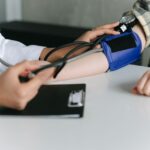
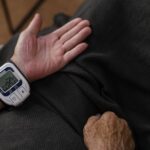
Home blood pressure monitoring can help. Guidelines generally recommend taking readings at consistent times, often in the morning before medication and in the evening. This gives a clearer picture of the daily pattern than occasional office visits alone.
What Raises Morning Blood Pressure Besides The Body Clock?
Several everyday factors can make morning readings higher than they would otherwise be. Some are within a person’s control. Others are not.
- Sleep apnea. This condition causes repeated pauses in breathing during sleep. It is strongly linked to high blood pressure, especially morning hypertension and non-dipping patterns.
- Poor sleep quality. Short or disrupted sleep can raise morning pressure.
- Alcohol. Drinking in the evening can affect overnight and morning blood pressure.
- Caffeine. Coffee or energy drinks can temporarily raise blood pressure, and the effect may be more noticeable in people who do not consume it regularly.
- Stress and anxiety. Mental stress activates the same systems that raise morning pressure.
- Medication timing. Some blood pressure drugs may not last a full 24 hours, leaving a gap in coverage during the early morning.
- Cold temperatures. Blood vessels narrow in cold weather, which can raise pressure.
- Smoking. Nicotine raises blood pressure and heart rate shortly after use.
None of these factors work in isolation. In practice, they stack on top of the natural morning rise.
Should Blood Pressure Medication Be Taken At A Specific Time?
This is an area where practice has shifted, and the evidence is genuinely mixed. For years, some clinicians recommended taking blood pressure medication at night, based on the idea that it might better control the morning surge and improve nighttime dipping. That reasoning is biologically plausible.
However, a large randomized trial published in 2022 in The Lancet found that taking medication in the evening did not reduce cardiovascular events more than taking it in the morning. The trial, called TIME, followed tens of thousands of people and is one of the strongest pieces of evidence on this question. Its findings suggest that for most people, the time of day may not matter as much as previously hoped.
That said, the TIME trial does not settle every case. Some people with specific patterns, such as non-dipping or resistant hypertension, may still benefit from nighttime dosing. This is a decision that should be made with a clinician who can review 24-hour readings and individual risk factors. The general direction of current evidence is that consistency matters more than timing for most people.
How Should You Measure Morning Blood Pressure Correctly?
Getting an accurate morning reading takes a few simple steps. Mistakes are common and can make numbers look higher or lower than they really are.
- Sit quietly for five minutes before measuring.
- Keep your back supported and feet flat on the floor.
- Rest your arm on a table at heart level.
- Use the correct cuff size. A cuff that is too small can read high.
- Do not talk or scroll on your phone during the reading.
- Take two or three readings about a minute apart and average them.
- Measure at roughly the same time each day.
Avoid measuring right after coffee, exercise, or a cigarette. These can temporarily raise pressure and give a misleading picture. If morning readings are consistently high, write them down and bring the log to a doctor rather than adjusting medication on your own.
When Should You Be Concerned About Morning Blood Pressure?
A single high morning reading is not usually a reason for alarm. Blood pressure naturally varies, and stress about the reading itself can push it up. What matters is the pattern.
Talk to a clinician if morning readings are consistently at or above the threshold for high blood pressure, if they are much higher than evening readings, or if you have symptoms such as headaches, chest pain, shortness of breath, or vision changes. A reading of 180/120 mm Hg or higher is considered a hypertensive crisis and needs immediate medical attention, especially if it comes with symptoms.
For most people, the goal is not to chase a perfect number at one time of day. It is to understand your own pattern and manage it with a doctor’s guidance.
Frequently Asked Questions
What time of day is blood pressure usually highest?
Blood pressure is usually highest in the morning, typically between 6 a.m. and noon, with a peak shortly after waking. It then tends to fall through the day and reach its lowest point during sleep.
Why is blood pressure higher in the morning?
The body releases hormones like cortisol and adrenaline before and after waking, which raise heart rate and tighten blood vessels. This natural surge is part of the body’s 24-hour circadian rhythm.
Is morning blood pressure more dangerous than evening blood pressure?
High morning blood pressure has been linked to a greater risk of stroke and heart events in some studies, but a single reading is not enough to judge risk. Doctors look at patterns over time, including nighttime readings.
Should I take my blood pressure medication at night?
A large randomized trial found that evening dosing did not reduce cardiovascular events more than morning dosing for most people. Some individuals with specific patterns may still benefit, so this should be decided with a clinician.
