
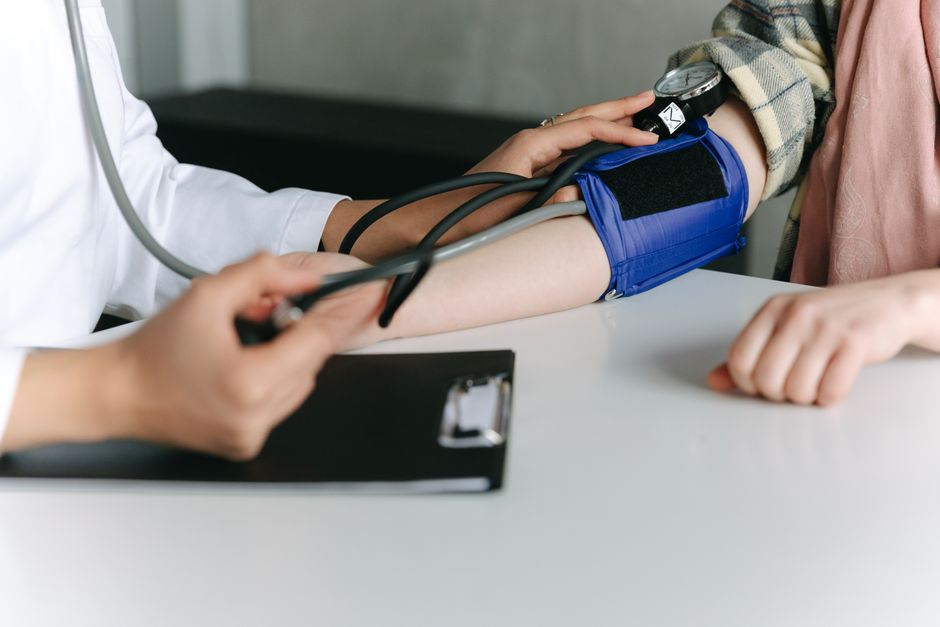
Blood pressure readings can climb to frightening numbers, but the actual highest blood pressure possible is not a single fixed number. In medical reality, blood pressure can rise until a person has a catastrophic event like a stroke or organ failure — there is no upper limit where the body simply stops. The highest blood pressure ever recorded in a living person was 370/360, though most doctors consider anything above 180/120 a hypertensive crisis requiring immediate emergency care. Understanding what these numbers mean and what happens at extreme levels could save your life or someone you love.
What Does a Blood Pressure Reading of 300 Over 200 Mean?
A reading of 300/200 is not a typo — it is a genuine medical emergency. Systolic pressure (the top number) measures the force when your heart contracts. Diastolic (the bottom number) measures pressure between beats. At 300/200, both numbers are far beyond what arteries are designed to handle.
Research published in the American Journal of Hypertension has documented cases of patients with systolic pressures above 300. These are rare and almost always linked to an underlying crisis like a pheochromocytoma — a tumor on the adrenal gland that floods the body with adrenaline. The blood vessels in the brain, eyes, and kidneys begin to leak or rupture at these levels. The body cannot sustain this for long. Minutes to hours is typical before organ damage becomes irreversible.
Most people who reach these numbers do not walk into a clinic. They arrive by ambulance or are already hospitalized for another condition when the reading occurs. The CDC reports that fewer than 1% of hypertensive crises ever reach above 260 systolic. Numbers above 300 are medical anomalies.
What Is the Highest Blood Pressure Possible Before Death?
There is no specific number that guarantees death. Some people survive readings of 260/150 with prompt treatment. Others have fatal strokes at 190/110. The number itself is less important than how fast it rises and what organs are affected.
The body has protective mechanisms that usually cause a person to lose consciousness or have a seizure before blood pressure reaches the absolute maximum. This is why the highest recorded blood pressure in a conscious person is 370/360 — documented in a 1994 case report in the Journal of Human Hypertension. The patient survived after emergency treatment. That does not mean 370 is survivable for everyone. It means one person did.
The real danger zone begins at 180/120. At this point, the American Heart Association classifies it as hypertensive emergency. Without treatment, the risk of aortic dissection — a tear in the main artery from the heart — rises sharply. Once the aorta tears, survival drops to about 50% even with surgery.
What Causes Blood Pressure to Reach Extreme Levels?
Extreme blood pressure does not happen from eating too much salt or skipping a workout. It requires a dramatic failure of the body’s normal pressure regulation systems. The most common causes include:
- Medication non-adherence — stopping multiple blood pressure drugs at once can cause rebound hypertension that spikes above 200 systolic. This is especially dangerous with beta-blockers and clonidine.
- Pheochromocytoma — a rare adrenal tumor that releases massive amounts of adrenaline. Blood pressure can swing from normal to 300 systolic in minutes.
- Kidney artery blockage — when the renal artery narrows, the kidneys release hormones that drive pressure up to force blood through. This can push systolic readings above 250.
- Preeclampsia and eclampsia — pregnancy-related conditions that can drive pressure above 200 systolic. The CDC estimates this affects 1 in 25 pregnancies in the US.
- Illegal stimulant use — cocaine, methamphetamine, and even high doses of prescription stimulants can push blood pressure past 220 systolic within minutes.
Each of these causes requires different treatment. That is why emergency doctors do not just lower the pressure — they find the cause. Treating the wrong cause can make things worse.


How Do Doctors Treat Blood Pressure Above 200?
When blood pressure passes 200 systolic, treatment shifts from oral medications to intravenous drugs. Pills take too long to work at these levels. The goal is not to bring pressure to normal quickly — that can actually cause strokes. The goal is to reduce it by 25% in the first hour.
Common IV medications used in hypertensive emergencies include sodium nitroprusside, nitroglycerin, and labetalol. These drugs work within seconds to minutes. Patients are monitored in intensive care units with arterial lines — a catheter placed directly into an artery for continuous pressure readings.
One important fact that many people do not know: lowering blood pressure too fast from extreme levels can cause brain damage. The brain has adapted to the high pressure. Dropping it too quickly deprives brain tissue of blood flow. This is why doctors are careful and methodical, not aggressive, even in emergencies.
| Blood Pressure Range | Category | Recommended Action |
|---|---|---|
| 180/120 or higher | Hypertensive crisis | Seek emergency care immediately |
| 220/140 or higher | Severe hypertensive emergency | IV medication in ICU, 25% reduction in first hour |
| 260/150 or higher | Extreme hypertensive emergency | Immediate ICU admission, arterial line monitoring |
| 300/200 or higher | Life-threatening maximum | Emergency intervention, survival depends on cause |
The table above shows how doctors classify and respond to different extreme levels. Notice that the action changes at each threshold. A reading of 220/140 requires a different approach than 260/150. Never assume you know what to do — always call 911.
What Are the Warning Signs Before Blood Pressure Peaks?
Extreme blood pressure rarely comes without warning. The body sends signals. The problem is that many people ignore them or mistake them for something else. Common symptoms of a hypertensive crisis include severe headache described as the worst of a person’s life, chest pain, shortness of breath, vision changes like blurring or seeing spots, and nosebleeds that will not stop.
Some people experience what doctors call a “pressure headache” — a pounding sensation at the back of the head that gets worse with activity. This is not a tension headache. It is a sign that blood pressure is pushing against the skull’s pain-sensitive structures. Research from the National Institute of Neurological Disorders and Stroke has found that about 40% of people with hypertensive emergency report this specific headache.
Another less known sign is blood in the urine. When pressure inside the kidneys gets high enough, the tiny filtering units called glomeruli begin to leak. This is a sign that kidney damage is already happening. If you see pink or red urine along with a headache or chest tightness, do not wait. Go to the emergency room.
Can You Survive Blood Pressure of 300 Over 200?
Yes, survival is possible but rare without immediate medical intervention. The documented case from 1994 of a patient surviving 370/360 is the exception, not the rule. Survival depends on three factors: how quickly treatment starts, what caused the spike, and whether major organs were already damaged.
If the cause is a pheochromocytoma and surgeons can remove the tumor, long-term survival is good. If the cause is a massive stroke already in progress, survival drops significantly. The organs most vulnerable at these pressures are the brain, heart, kidneys, and eyes. Damage can happen in minutes.
The most important thing to understand is that these numbers are not a death sentence by themselves. They are a medical emergency that demands immediate action. Every minute that passes without treatment increases the chance of permanent damage. If you or someone near you has a blood pressure reading above 180/120 with symptoms, call 911. Do not drive yourself. Do not wait to see if it goes down. The difference between survival and permanent injury can be measured in minutes, not hours.
Frequently Asked Questions
What is the highest blood pressure ever recorded?
The highest documented blood pressure in a living person is 370/360, recorded in a 1994 case report in the Journal of Human Hypertension. The patient survived after emergency treatment for a pheochromocytoma.
At what blood pressure do you have a stroke?
There is no single number that causes a stroke, but the risk increases sharply above 180/120. Some people have strokes at lower pressures if they have other risk factors like weak blood vessels or clotting disorders.
Can blood pressure of 300 cause immediate death?
Not always immediately, but it causes rapid organ damage that can lead to death within minutes to hours without treatment. Survival depends on the cause and how fast emergency care is received.
What should I do if my blood pressure is 200 over 120?
Call 911 immediately. Do not take extra doses of your blood pressure medication unless a doctor tells you to. Sit down, stay calm, and wait for emergency responders.
