
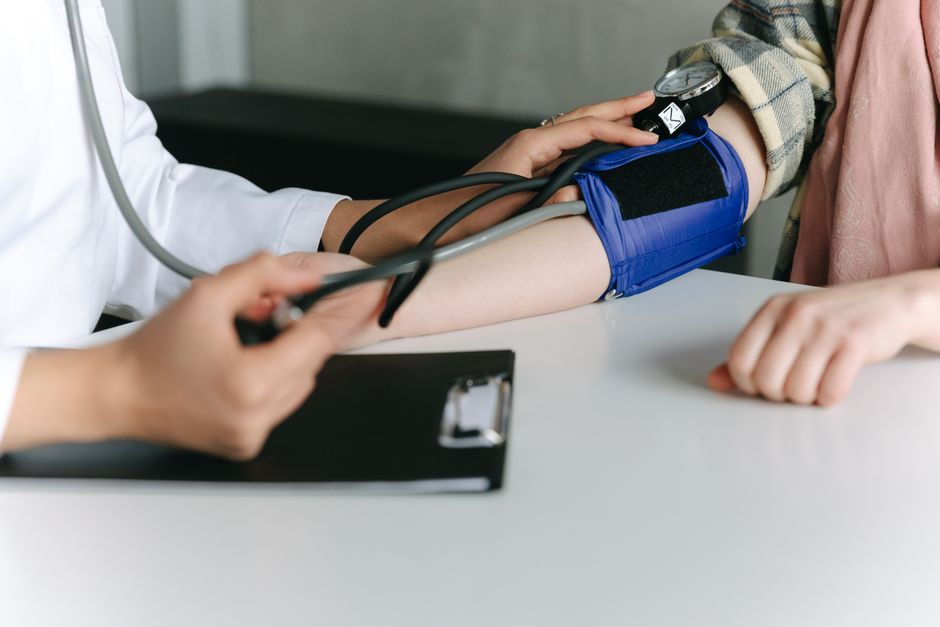
Your blood pressure can climb within minutes of a single habit at home. The fastest triggers are emotional stress, physical exertion, caffeine, nicotine, and a full bladder. A blood pressure reading taken right after any of these can look alarmingly high even when your true resting pressure is normal.
That last point matters more than most people realize. A high number on the cuff does not always mean something is wrong with your body. Sometimes it means something happened in the five minutes before you sat down.
What Raises Blood Pressure Immediately At Home?
Blood pressure responds to what your body is doing right now. The hormone systems that control it work in seconds, not days.
When you face stress or physical effort, your nervous system releases adrenaline and norepinephrine. These chemicals squeeze blood vessels and speed up the heart. Pressure rises fast. This is normal physiology, not a sign of disease.
Common immediate triggers include:
- Emotional stress — an argument, a phone call with bad news, or sudden anxiety
- Physical activity — climbing stairs, carrying groceries, or exercise
- Caffeine — coffee, energy drinks, and some sodas can raise pressure within 30 minutes
- Nicotine — smoking or vaping causes a sharp, temporary spike
- A full bladder — the discomfort alone can push readings up
- Cold temperatures — a cold room or a cold shower narrows blood vessels
- Pain — any source of acute pain activates the stress response
- Certain medications — some decongestants and cold remedies constrict blood vessels
Each of these raises pressure through a known mechanism. None of them require a diagnosis to explain.
Why Does Stress Raise Blood Pressure So Quickly?
Stress triggers the fight-or-flight response. Your body cannot tell the difference between a real threat and a stressful email.
Within seconds, the sympathetic nervous system signals your adrenal glands. They release adrenaline. Your heart beats faster and harder. Blood vessels in some parts of the body narrow. Pressure goes up.
This response is temporary in most people. Once the stress passes, pressure usually returns toward baseline within minutes to an hour. The problem is when stress is constant. Ongoing stress keeps the system activated, and over time that can contribute to sustained high blood pressure.
One clarification worth making: a single stressful event does not cause chronic hypertension. It causes a spike. The distinction matters because people often panic over one high reading taken during a stressful moment.
Can Caffeine and Nicotine Spike Your Numbers Right Away?
Yes. Both raise blood pressure within minutes, and both do it through the same basic route — narrowing blood vessels.
Caffeine blocks a chemical called adenosine that normally helps blood vessels relax. With adenosine blocked, vessels tighten. Research published in the journal Hypertension found that caffeine can raise systolic pressure by several points for a period after consumption. The effect varies widely between people.
Nicotine is more aggressive. It causes an immediate release of adrenaline and directly constricts blood vessels. A cigarette can raise blood pressure for 15 to 30 minutes after each use. People who smoke throughout the day may keep their pressure elevated for hours at a time.
If you are checking your blood pressure at home, avoid caffeine for 30 minutes beforehand and do not smoke or vape for at least 30 minutes before a reading. These are standard preparation steps, not personal opinions.

Does a Full Bladder or Cold Room Really Change a Reading?
It does, and these are two of the most overlooked causes of falsely high readings.
A full bladder creates physical discomfort. That discomfort activates the same stress response as any other minor pain. The result is a measurable rise in pressure on the cuff.
Cold does something similar through a different path. When you are cold, surface blood vessels constrict to conserve heat. That narrowing raises pressure. A cold exam room is a well-known cause of elevated readings in clinics.
Other physical states that distort readings include:
- Talking during the measurement
- Having your arm unsupported
- Sitting with your back unsupported or feet dangling
- Crossing your legs
- Measuring over clothing
None of these mean your blood pressure is actually high. They mean the measurement was taken under conditions that inflate the number.
How Should You Measure Blood Pressure Correctly at Home?
A correct reading requires about five minutes of quiet rest beforehand. Skipping that step is the single most common mistake.
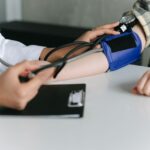
The standard technique is well established. Sit in a chair with your back supported and feet flat on the floor. Rest your arm on a table so the cuff is at heart level. Do not talk. Do not check your phone.
Take two or three readings one minute apart. Average them. A single reading is not reliable enough to act on.
Common sources of error and their effect on the number:
| Mistake | Effect on Reading |
|---|---|
| Talking during measurement | Raises reading |
| Unsupported arm | Raises reading |
| Full bladder | Raises reading |
| Cuff too small | Raises reading |
| Cuff over clothing | Raises reading |
| Back unsupported | Raises reading |
Notice the pattern. Almost every common error pushes the number up, not down. That is why a single high reading at home is not enough to conclude anything.
When Is a High Reading Actually a Medical Concern?
A temporary spike from stress or coffee is not an emergency. A sustained high reading is a different situation.
Normal blood pressure is generally defined as below 120/80 mm Hg. Readings consistently at or above 130/80 mm Hg are considered high in most current US guidelines. The key word is consistently.
One elevated reading after a stressful event does not meet that bar. What matters is the pattern over days and weeks, taken under proper conditions.
Seek emergency care immediately if a high reading comes with:
- Chest pain or pressure
- Shortness of breath
- Severe headache
- Vision changes
- Weakness or numbness on one side of the body
- Difficulty speaking
These symptoms can signal a hypertensive crisis or another serious event. Do not wait to see if they pass.
If your readings are consistently high across multiple days of proper measurement, that is a conversation for your doctor. It is not something to manage by guessing at home.
What Does Not Raise Blood Pressure Immediately?
Some things people blame for a spike have little or no immediate effect.
A single salty meal does not raise blood pressure within minutes. Sodium affects blood pressure over days and weeks by influencing fluid balance, not through an instant response. If you ate a salty dinner and your reading is high the next morning, the salt is unlikely to be the direct cause of that specific number.
Mild dehydration usually does not push pressure up right away either. In some cases it can lower it. The relationship between hydration and blood pressure is more complicated than most people assume.
Standing up suddenly typically lowers blood pressure briefly, not raises it. That is why some people feel dizzy when they stand.
Emotional states like mild annoyance or boredom do not produce meaningful spikes. It takes a real stress response — the kind that activates adrenaline — to move the number quickly.
Can You Lower a Spike Right Away?
If the spike came from stress or activity, rest usually brings it down. Sit quietly, breathe slowly, and wait. Most stress-related spikes settle within minutes to an hour.
Slow breathing at around six breaths per minute has been studied for its effect on blood pressure. Some research suggests it can lower pressure modestly in the short term. The evidence for long-term benefit is less clear.
What does not work is checking your cuff every two minutes. Repeated measurement during a stressful moment tends to keep you stressed, which keeps the number up. It also produces a string of unreliable readings.
If a spike came from caffeine or nicotine, time is the main factor. The effect fades as the substance clears. There is no shortcut.
For people with diagnosed hypertension, a spike that does not settle or that comes with symptoms needs medical attention. Home remedies are not a substitute for that.
Frequently Asked Questions
Can anxiety raise blood pressure immediately?
Yes. Anxiety activates the fight-or-flight response, which releases adrenaline and can raise blood pressure within seconds. The rise is usually temporary and settles once the anxiety passes.
Does coffee raise blood pressure right away?
Caffeine can raise blood pressure within about 30 minutes of drinking it, mainly by narrowing blood vessels. The size of the effect varies a lot from person to person.
Why is my blood pressure high at home but normal at the doctor?
Home readings can be higher or lower than clinic readings for many reasons, including stress, caffeine, a full bladder, or incorrect cuff placement. Taking multiple readings under proper conditions gives a more reliable picture than any single number.
Should I go to the emergency room for a high blood pressure reading?
Only if the reading comes with symptoms like chest pain, shortness of breath, severe headache, vision changes, or weakness on one side of the body. A high number alone, without symptoms, is usually not an emergency.
