
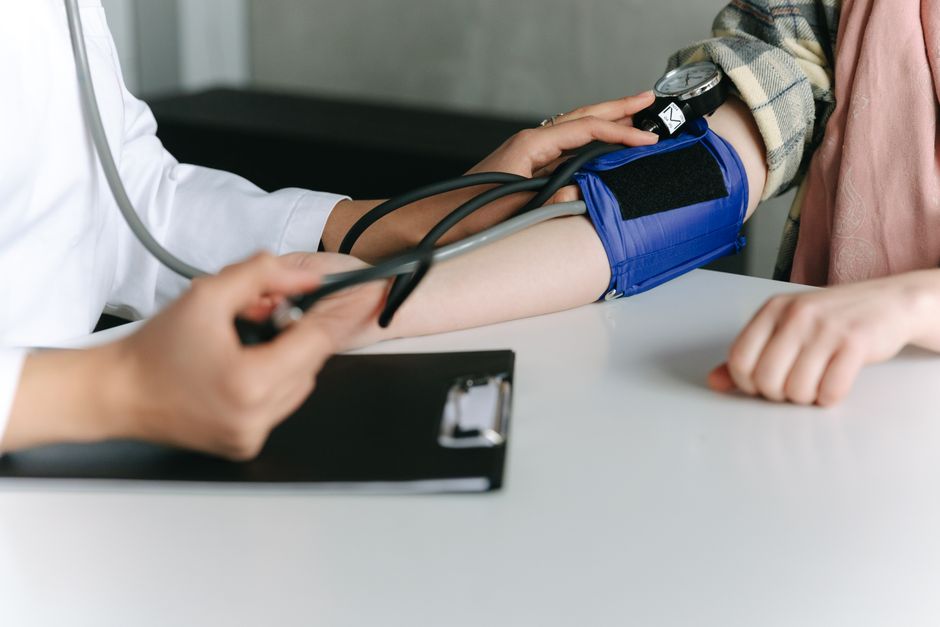
Blood pressure rises when the forces that push blood through your arteries increase, and the causes are more ordinary than most people expect. The biggest drivers are excess sodium, too much alcohol, extra body weight, physical inactivity, poor sleep, chronic stress, and smoking. Some of these act within hours. Others take years to show up in a reading. Food matters a great deal, but so do the habits that surround it.
What Raises Blood Pressure Foods Habits And More?
Blood pressure is the force of blood pushing against artery walls. Two numbers describe it. The top number, systolic pressure, is the peak force when the heart contracts. The bottom number, diastolic pressure, is the resting pressure between beats.
A normal reading is below 120/80 mm Hg. Readings from 120-129 systolic with diastolic under 80 are considered elevated. Stage 1 hypertension begins at 130/80 mm Hg under current American College of Cardiology and American Heart Association guidance. That threshold was lowered in 2017 from the older 140/90 standard, which means millions of people who were previously told they were fine now fall into a treatable category.
What raises blood pressure falls into two broad groups. The first is what you consume and do — sodium, alcohol, weight, activity, tobacco, sleep. The second is what you cannot control — age, genetics, kidney function, hormone disorders, and some medications. Most people are dealing with a mix of both.
How Does Sodium Actually Raise Blood Pressure?
Sodium pulls water into your bloodstream. More water in the vessels means more volume, and more volume against the same artery walls means higher pressure. This is straightforward fluid physiology, and it happens in almost everyone to some degree.
The complication is that people respond differently. Some are salt-sensitive and see a clear rise in blood pressure from a high-sodium meal or a few days of salty eating. Others barely budge. Salt sensitivity is more common in people who are older, Black, or already have hypertension, but it is not limited to those groups.
The bigger issue is where sodium comes from. Most of it is not the salt shaker. Processed and restaurant foods carry the majority of sodium in the typical American diet. Deli meat, canned soup, frozen entrees, bread, cheese, and condiments add up fast. A sandwich with deli meat and a cup of soup can easily exceed 1,500 mg of sodium before you sit down for dinner.
Federal dietary guidance recommends keeping sodium under 2,300 mg per day for most adults. The American Heart Association suggests an ideal limit closer to 1,500 mg per day, particularly for people with high blood pressure. The average American intake is well above both figures. Reducing sodium lowers blood pressure in most people with hypertension, and the effect tends to be larger in those who are salt-sensitive.
Which Foods and Drinks Push Blood Pressure Up?
It is rarely one food. It is the pattern. Still, some categories show up repeatedly in the research.
- Processed meats — bacon, sausage, hot dogs, deli meat. High in sodium and often in saturated fat.
- Canned and instant soups — a single can can carry more than half a day’s sodium.
- Restaurant and takeout food — portions and sodium are both larger than most people estimate.
- Alcohol — regular drinking above moderate levels raises blood pressure over time. Heavy drinking raises it more.
- Sugary drinks — associated with weight gain and higher blood pressure in observational studies, though the direct mechanism is debated.
- Licorice — real black licorice contains glycyrrhizin, which can raise blood pressure and lower potassium when eaten in large amounts over time.
- Caffeine — causes a short-term spike of a few points in people who do not drink it regularly. Habitual coffee drinkers tend to adapt.
One clarification worth making: coffee is not the blood pressure villain it is sometimes made out to be. The rise is small and usually temporary, and long-term coffee consumption is not consistently linked to hypertension in most studies. Energy drinks are a different story — they combine caffeine with other stimulants and have been linked to rises in blood pressure, though the evidence base is smaller.

What About the Foods That Help?
Dietary patterns matter more than single foods. The DASH eating plan — Dietary Approaches to Stop Hypertension — was developed specifically to lower blood pressure and has held up in repeated trials. It emphasizes vegetables, fruit, whole grains, lean protein, nuts, and low-fat dairy, while limiting sodium, red meat, sweets, and added fat.
Potassium is the key mineral in this picture. It helps the body excrete sodium and eases tension in blood vessel walls. Foods rich in potassium include bananas, potatoes, beans, spinach, yogurt, and tomatoes. Most adults do not get enough. The general target is around 3,500-5,000 mg per day from food for healthy adults, though people with kidney disease or those taking certain blood pressure medications should not increase potassium without medical guidance.
No single food lowers blood pressure enough to matter on its own. Beet juice, garlic, hibiscus tea, and dark chocolate all have some supporting evidence, but the effects are modest and inconsistent across studies. They are not substitutes for the broader pattern.
Which Habits Raise Blood Pressure the Most?
Habits often outweigh individual food choices. This is where the biggest and most durable changes tend to come from.
Alcohol. Regular drinking raises blood pressure in a dose-dependent way. The more you drink, the higher it tends to go. Cutting back reliably lowers it in people who drink heavily. The relationship is one of the better-established findings in hypertension research.
Physical inactivity. Regular aerobic activity lowers systolic blood pressure by a meaningful margin in people with hypertension. The effect shows up within weeks. Even walking counts.
Excess body weight. Weight and blood pressure track together closely. Losing weight lowers blood pressure in most people who carry extra, and the effect is often larger than any single dietary change.
Smoking. Nicotine raises blood pressure acutely with each cigarette. Over time, smoking damages blood vessel walls and accelerates arterial stiffening. Quitting is one of the highest-value changes a person can make, though the blood pressure benefit of quitting is more about long-term vessel health than an immediate drop in the reading.
Poor sleep. Short sleep and untreated sleep apnea both raise blood pressure. Sleep apnea is a common and underdiagnosed cause of resistant hypertension — blood pressure that stays high despite multiple medications. This is worth flagging because it is frequently missed.
Chronic stress. Stress raises blood pressure in the moment through adrenaline and cortisol. The long-term effect is debated, but stress clearly influences sleep, drinking, eating, and activity — all of which affect blood pressure directly.
Can Medications and Other Conditions Raise It?
Yes, and this is often overlooked. Some prescription and over-the-counter drugs raise blood pressure.
- Nonsteroidal anti-inflammatory drugs (NSAIDs) like ibuprofen and naproxen
- Decongestants such as pseudoephedrine
- Some antidepressants
- Oral contraceptives, especially in people who already have elevated readings
- Steroids
- Some immunosuppressants
Underlying conditions can also be the cause. Kidney disease is one of the most common. Hormone disorders such as primary aldosteronism, thyroid disease, and pheochromocytoma can drive blood pressure up. Obstructive sleep apnea is another. These are called secondary causes, and they matter because treating the underlying problem can sometimes resolve the hypertension entirely.
Anyone with blood pressure that stays high despite treatment, or that rises suddenly in someone who was previously normal, should be evaluated for a secondary cause.
What Actually Lowers Blood Pressure?
The same list in reverse. Reduce sodium. Cut back on alcohol. Move more. Lose weight if you carry extra. Quit smoking. Treat sleep apnea. Manage stress. Eat a DASH-style diet.
These changes work. In people with mild hypertension, lifestyle changes alone can bring readings into normal range. In people already on medication, they often reduce how much medication is needed. They do not replace medication when a doctor has prescribed it, and stopping blood pressure medication without medical supervision can be dangerous.
The honest summary: blood pressure responds to what you do consistently, not what you do once. A single salty meal does not cause hypertension. A pattern of them, over years, along with the habits that usually travel with it, does.
Frequently Asked Questions
Does salt raise blood pressure immediately?
A high-sodium meal can raise blood pressure within hours in salt-sensitive people, but the effect is usually small and temporary. The bigger concern is sustained high sodium intake over months and years.
Can stress alone cause high blood pressure?
Stress raises blood pressure in the moment, but whether it causes chronic hypertension on its own is still debated. It clearly contributes indirectly by affecting sleep, drinking, eating, and activity.
Is coffee bad for blood pressure?
For most regular coffee drinkers, the effect is small and short-lived. Long-term coffee consumption is not consistently linked to hypertension in most studies, though energy drinks are a different matter.
Can you lower blood pressure without medication?
Yes, for many people with mild hypertension, lifestyle changes like reducing sodium, losing weight, exercising, and cutting alcohol can lower readings into normal range. Whether medication is still needed is a decision for a doctor.
