

Your heart starts pounding the moment the cuff tightens. Your palm sweats. You watch the numbers climb and think, “There’s no way that’s right.” If this sounds familiar, you are not imagining it. The nervousness you feel when taking blood pressure is real, common, and has a name. It is called white coat hypertension, and it can push your reading higher than your true resting blood pressure.
The reason is straightforward: your body responds to the situation, not just the cuff. A medical setting, a stranger taking your reading, or even your own worry about the result can trigger a stress response. That response releases adrenaline, which temporarily raises heart rate and tightens blood vessels. The number you see may reflect that moment of anxiety more than your everyday blood pressure.
Why Do I Get Nervous When Taking Blood Pressure?
Blood pressure measurement triggers a mild stress response in many people. The anticipation of a result, the clinical environment, and the physical sensation of the cuff inflating all send signals to your brain that something important is happening. Your sympathetic nervous system — the same system that handles real threats — responds by releasing adrenaline and cortisol.
These hormones do two things that directly raise blood pressure. They make your heart beat faster and harder, pushing more blood with each beat. They also narrow blood vessels in some parts of your body, which increases resistance to blood flow. Both changes show up on the monitor within seconds.
This is not a sign of weakness or a character flaw. It is normal physiology. The question is whether the reading reflects your true blood pressure or just your reaction to being measured. That distinction matters for diagnosis and treatment.
What Is White Coat Hypertension?
White coat hypertension means your blood pressure is elevated in a clinical setting but normal at home or during everyday life. The term comes from the traditional white coats worn by doctors, though the effect is not limited to coat color. Any medical environment can trigger it — a dentist’s office, a specialist’s exam room, even a pharmacy blood pressure kiosk.
How common is it? Estimates vary widely depending on the population studied and how “normal” home blood pressure is defined. Some research suggests it affects a meaningful share of people who show elevated readings in clinics. It appears more often in older adults and in people who already have some degree of anxiety about health.
The tricky part is that white coat hypertension is not always harmless. Some people with this pattern eventually develop sustained high blood pressure. Others do not. This is why a single elevated reading is rarely enough to make a diagnosis.
How Is It Different From Regular Blood Pressure?
The difference comes down to where and when the measurement happens. True hypertension is elevated blood pressure most of the time — at rest, at home, during sleep, and in the doctor’s office. White coat hypertension is elevated only in specific triggering situations, usually medical ones.
There is also a related pattern called masked hypertension. This is the opposite: normal readings in the clinic but elevated blood pressure at home or during daily activities. Masked hypertension can be missed if doctors rely only on office measurements.
To tell these patterns apart, clinicians often use one of two approaches:
- Home blood pressure monitoring: You measure your blood pressure at home over several days, usually twice in the morning and twice in the evening, following a standard routine.
- Ambulatory blood pressure monitoring: You wear a portable cuff that takes readings automatically over 24 hours, including during sleep and normal daily activities.
Both methods give a fuller picture than a single office reading. They also help identify people whose office readings are misleading in either direction.

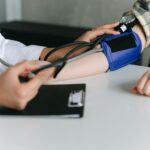
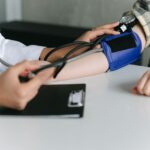

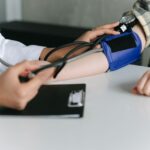
What Causes the Nervousness?
Several factors feed into the anxiety you feel during a blood pressure check. Understanding them can help you recognize what is happening in your body.
Anticipation and worry. If you have had high readings before, you may dread seeing another one. That dread itself raises blood pressure. It becomes a loop: worry raises the number, the number confirms the worry, and the next reading is even harder.
The clinical environment. Hospitals and clinics are associated with illness, bad news, and loss of control. Even a routine checkup can carry that emotional weight. The smell, the sounds, the waiting — all of it can activate a stress response.
Physical discomfort. The cuff squeezing your arm is not painful for most people, but it is unusual. If the cuff is too tight or inflates quickly, that sensation alone can spike your heart rate.
Past experiences. If you have been told your blood pressure is “dangerously high” or if you have had a frightening medical event, your body may remember that. The next measurement can trigger a defensive response.
Talking during the measurement. Many people chat with the nurse or doctor while the cuff is inflating. Talking raises blood pressure in most people. It is one of the most common and most easily fixed causes of artificially high readings.
Can You Prevent the Nervousness?
You cannot always control your body’s automatic stress response, but you can reduce the conditions that make it worse. These steps are widely recommended by clinicians who measure blood pressure regularly.
Sit quietly for five minutes before the reading. This is the standard recommendation. Five minutes of quiet rest allows your heart rate and blood pressure to settle. Many offices are busy and skip this step, so you may need to ask for it.
Do not talk during the measurement. Stay silent while the cuff inflates and deflates. Save conversation for before or after.
Keep your feet flat on the floor. Do not cross your legs or dangle your feet. Both can raise blood pressure.
Rest your arm at heart level. If your arm is below heart level, the reading can be falsely high. If it is above, it can be falsely low. The cuff should be on bare skin, not over a sleeve.
Empty your bladder first. A full bladder can raise blood pressure by a noticeable amount in some people.
Avoid caffeine and exercise for 30 minutes before. Both temporarily raise blood pressure. Nicotine does too.
These steps do not eliminate white coat hypertension entirely. But they remove the easy, correctable causes of high readings so that what remains is more likely to reflect your true blood pressure.
When Should You Be Concerned?
A single high reading in a doctor’s office is not a diagnosis. It is a data point. Your clinician will consider your history, your home readings, and possibly ambulatory monitoring before deciding whether you have hypertension.
That said, do not ignore consistently high readings at home. If your home blood pressure is repeatedly elevated — even if your office readings are normal — that pattern matters. Masked hypertension carries risks similar to sustained high blood pressure.
If you have white coat hypertension, your clinician may recommend periodic monitoring rather than immediate medication. Some people with this pattern are advised to make lifestyle changes and recheck in a few months. Others may need treatment if their overall cardiovascular risk is high. The decision depends on your full picture, not just one number.
What you should not do is avoid blood pressure checks because they make you nervous. Avoidance means you lose the information you need. A better approach is to measure at home with a validated upper-arm cuff, follow the standard preparation steps, and bring your readings to your clinician.
Does Home Monitoring Help?
Home monitoring often gives a more accurate picture of your typical blood pressure. You are in your own space, without the clinical setting, and you can take multiple readings over days or weeks. Research consistently shows that home readings correlate better with cardiovascular outcomes than single office readings.
For home monitoring to be useful, the technique matters. Use a validated upper-arm cuff, not a wrist or finger device. Sit quietly for five minutes first. Take two readings one minute apart, morning and evening, for several days. Write them down or use a monitor that stores them. Bring the log to your next appointment.
Do not adjust medication based on home readings without talking to your clinician. Home monitoring is a tool for information, not a substitute for medical guidance.
Frequently Asked Questions
Is white coat hypertension dangerous?
It is not immediately dangerous, but it is not always harmless either. Some people with this pattern later develop sustained high blood pressure, so periodic monitoring is important.
How do I stop getting nervous at the doctor’s office?
You cannot always stop the automatic stress response, but you can reduce it by sitting quietly for five minutes, not talking during the reading, and keeping your feet flat on the floor. These steps remove common causes of artificially high readings.
Can anxiety alone cause high blood pressure?
Anxiety can temporarily raise blood pressure through adrenaline release, but it does not usually cause sustained hypertension on its own. Chronic anxiety may contribute to long-term cardiovascular risk, but the relationship is complex and not fully understood.
Should I take my blood pressure at home if I get nervous at the doctor?
Yes, home monitoring is often recommended for people with white coat hypertension because it shows what your blood pressure looks like outside a clinical setting. Use a validated upper-arm cuff and follow a consistent routine.
