
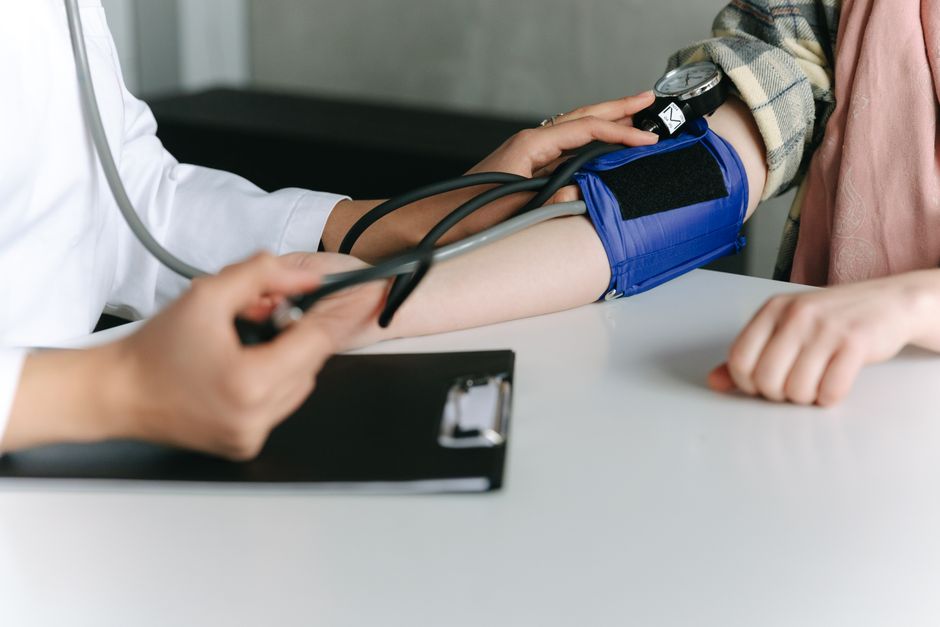
Feeling dizzy when you stand up, or foggy after a long, hot day, can be a sign that your blood pressure is running on the low side. For most people, low blood pressure is not a disease and needs no treatment at all. When it does cause symptoms, the first steps are usually simple: drink more water, get up slowly, and add a little salt to your food after checking with a doctor. This guide explains what low blood pressure is, what causes it, and what genuinely helps.
What Counts as Low Blood Pressure?
Blood pressure is written as two numbers. The top number is systolic pressure, the force when your heart squeezes. The bottom number is diastolic pressure, the pressure between beats. A reading below 90/60 mm Hg is generally considered low.
That number alone does not tell you much. Some healthy people, especially young people and trained athletes, live at 90/60 or lower with no problems. Their bodies have simply adapted to that range. Doctors call this asymptomatic low blood pressure, and it does not need fixing.
The picture changes when low pressure causes symptoms. Dizziness, lightheadedness, fainting, blurred vision, fatigue, and trouble concentrating are the common ones. When those appear, the cause matters more than the number itself.
One clarification that surprises many people: a low reading at home is not automatically an emergency. What matters is how you feel and whether the drop is new. A pressure that has always been low is a different situation from one that suddenly falls.
What Causes Blood Pressure to Drop?
Blood pressure depends on how hard the heart pumps, how much blood is in the vessels, and how wide or narrow those vessels are. Anything that affects one of those three can lower it.
Dehydration is one of the most common causes. Less fluid in the body means less blood volume, and less volume means lower pressure. Fever, vomiting, diarrhea, heavy sweating, and simply not drinking enough can all do it.
Other common causes include:
- Standing up quickly, which lets blood pool in the legs (called orthostatic hypotension)
- Eating a large meal, which shifts blood to the digestive tract (postprandial hypotension)
- Medications, including some blood pressure drugs, diuretics, and certain antidepressants
- Prolonged bed rest or standing for a long time
- Pregnancy, especially in the first 24 weeks
- Heart problems, hormone conditions, and some infections
- Blood loss or severe allergic reactions, which are medical emergencies
Age matters here. The reflexes that keep blood pressure steady when you stand tend to weaken with age, so orthostatic hypotension becomes more common in older adults. That is one reason falls in this group often trace back to a pressure drop.
What Can You Do For Low Blood Pressure?
If you have symptoms, the everyday steps below are the ones doctors most often suggest first. They are simple, low risk, and supported by general clinical practice. None of them replace a medical evaluation if your symptoms are new or severe.
Drink more water
Fluid raises blood volume, which raises pressure. Sipping water steadily through the day often helps more than large amounts at once. Plain water is enough for most people.
Get up slowly
When you go from lying to sitting to standing, give your body a few seconds at each stage. Sit on the edge of the bed before standing. Flex your ankles and calves a few times. This gives your circulation time to adjust.
Add a little salt
Sodium helps the body hold onto fluid, which can raise blood pressure. Some clinicians recommend extra salt for people with symptomatic low blood pressure. This is not a general recommendation, though. If you have heart failure, kidney disease, or a history of high blood pressure, adding salt can be harmful. Ask your doctor first.
Eat smaller, more frequent meals
Large meals can trigger a pressure drop after eating, especially in older adults. Smaller meals spread through the day may reduce that effect.
Wear compression stockings
These squeeze the legs and help blood return to the heart instead of pooling. They are a common recommendation for orthostatic symptoms. The evidence for them is reasonable but not overwhelming, and fit matters a great deal.
Limit alcohol and heavy caffeine swings
Alcohol dehydrates and widens blood vessels, both of which can lower pressure. Large caffeine doses followed by none can also cause swings in some people.

When Should You See a Doctor?
See a doctor if low blood pressure causes fainting, near-fainting, chest pain, shortness of breath, or confusion. These symptoms can point to a heart, hormone, or neurological problem that needs proper evaluation.
Also seek care if the drop is new, if it happens after starting a new medication, or if it comes with black or bloody stools, which can signal internal bleeding. Those situations are not ones to manage at home.
For most people with mild symptoms, a routine visit is enough. A doctor can check your medications, look for dehydration or another cause, and decide whether any treatment is needed. Sometimes the fix is as simple as adjusting the timing or dose of a drug you already take.
What About Diet and Lifestyle Changes?
There is no special diet that cures low blood pressure. The realistic goal is steady hydration, regular meals, and avoiding the triggers that set off your symptoms.
Some people find that a slightly higher-sodium diet helps, but as noted, this depends on your overall health. Others benefit from regular gentle exercise, which can improve circulation over time. Sudden intense exercise, on the other hand, can sometimes make symptoms worse in the short term.
If you take medication for high blood pressure and now feel dizzy, do not stop the drug on your own. Call your doctor. Blood pressure targets change with age and health, and a dose that was right last year may not be right now.
What Doesn’t Help Low Blood Pressure?
A lot of products marketed for circulation and energy have no evidence behind them for low blood pressure. Supplements claiming to “support healthy blood pressure” usually target high blood pressure, not low, and the claims are often vague.
No large human trials have confirmed that most of these products raise blood pressure in people who need it. If a label promises to fix dizziness or fatigue, treat that claim with skepticism.
The measures that do help are unglamorous: water, salt (when appropriate), slow position changes, and treating the underlying cause. That is where the real benefit is.
The Bottom Line
Low blood pressure is only a problem when it causes symptoms or signals another condition. For many people, the answer to “what can you do for low blood pressure” is straightforward: stay hydrated, rise slowly, eat regularly, and talk to a doctor about any medication that might be involved.
If you faint, have chest pain, or feel confused, get medical help right away. For everyone else, the everyday steps in this guide are a reasonable place to start, with a doctor’s input when symptoms are new or unclear.
Frequently Asked Questions
Is low blood pressure dangerous?
For most people, no. Low blood pressure is only a concern when it causes symptoms like fainting or dizziness, or when it signals another health problem.
What is the fastest way to raise low blood pressure?
Drinking water and lying down with your legs elevated can help quickly in many cases. If symptoms are severe or you faint, seek medical care instead of self-treating.
Does salt help low blood pressure?
Extra sodium can raise blood pressure by helping the body retain fluid, and some clinicians recommend it for symptomatic cases. Ask your doctor first, because salt can be harmful if you have heart or kidney disease.
When should I worry about low blood pressure?
Worry when it causes fainting, chest pain, shortness of breath, or confusion, or when a new drop follows a medication change. Those signs warrant a prompt medical visit.
