
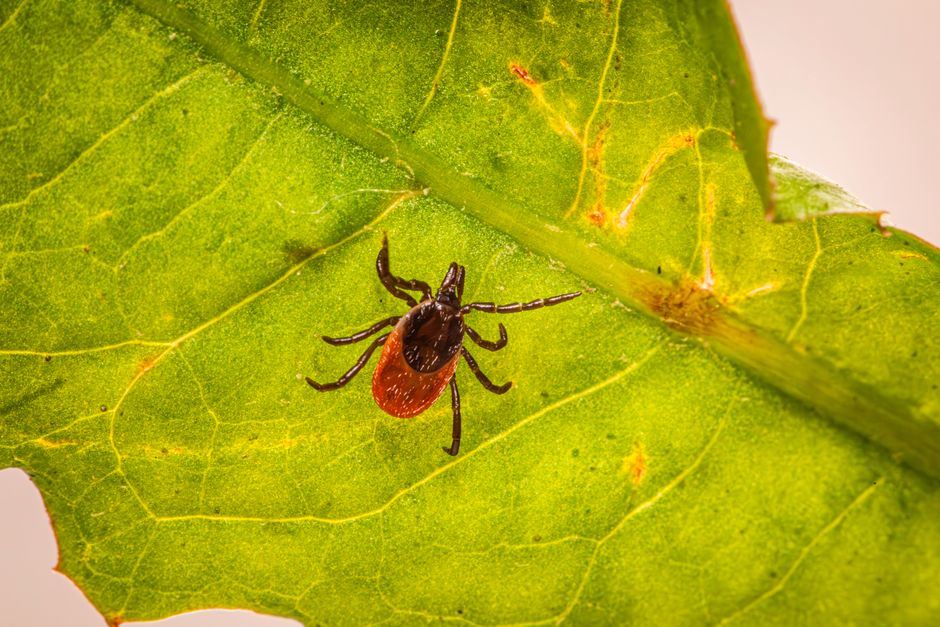
The idea that a hidden parasite could be quietly raising your blood pressure sounds like something from a medical thriller. It is not a common topic at your doctor’s office, but it is a question that comes up often enough in health forums. The direct answer is that certain parasitic infections can indeed cause high blood pressure, but it is not a simple or common explanation for most people with hypertension. The evidence is real, but it is specific to particular parasites and particular circumstances, not a general cause for the millions living with high blood pressure.
How Can a Parasite Affect Your Blood Pressure?
Parasites are organisms that live off a host. When they invade the human body, they can trigger a range of responses. Some of these responses directly impact the cardiovascular system. The most well-documented way parasites cause high blood pressure is through kidney damage.
The kidneys play a central role in regulating blood pressure. They control fluid balance and release hormones that constrict or relax blood vessels. When a parasitic infection damages the kidneys, this delicate system can break down. The result is often a rise in blood pressure that is hard to control with standard medications.
Another mechanism involves the immune system. A chronic parasitic infection keeps your immune system on high alert. This constant inflammation can damage the lining of blood vessels, making them stiffer and less flexible. Stiffer blood vessels mean higher pressure as blood pushes through them. This is not a quick process. It happens over months or years of untreated infection.
Which Parasites Are Linked to High Blood Pressure?
The strongest evidence connects a few specific parasites to hypertension. The most studied by far is Schistosoma, a flatworm that causes schistosomiasis. According to the World Health Organization, over 200 million people worldwide are infected. Research published in journals like PLOS Neglected Tropical Diseases has found that people with chronic schistosomiasis have significantly higher rates of hypertension. The parasite’s eggs lodge in the liver and kidneys, causing long-term inflammation and scarring. This directly impairs kidney function and raises blood pressure.
Hookworms are another parasite with a documented link. These intestinal worms cause chronic blood loss, which can lead to anemia. While anemia often causes low blood pressure, the body’s response to chronic blood loss can sometimes paradoxically raise it. The heart works harder to pump oxygen-poor blood. Some studies suggest this added strain can contribute to hypertension, though the evidence is less consistent than with schistosomiasis.
Toxoplasma gondii is a common parasite found in cat feces and undercooked meat. It infects an estimated 30-50% of the global population. Most people never have symptoms. However, some research suggests a connection between toxoplasma infection and higher blood pressure. A 2018 study in the journal Parasitology Research found that people with toxoplasma antibodies had slightly higher average blood pressure. The mechanism is not clear. It may involve chronic low-grade inflammation or direct effects on blood vessel cells.
Malaria parasites cause acute illness, not chronic hypertension. However, severe malaria can damage kidneys and lead to temporary blood pressure spikes. This is a different situation from the slow, silent damage caused by other parasites.
| Parasite | Primary Mechanism | Strength of Evidence |
|---|---|---|
| Schistosoma | Kidney damage, liver scarring | Strong – multiple studies, WHO data |
| Hookworms | Chronic blood loss, anemia | Moderate – some studies suggest link |
| Toxoplasma gondii | Chronic inflammation, vascular effects | Weak to moderate – limited human studies |
| Malaria | Acute kidney injury | Weak for chronic hypertension |
Can Parasites Cause High Blood Pressure The Evidence in Developed Countries?
This is where the picture gets more complicated. The studies linking parasites to high blood pressure come mostly from regions where parasitic infections are endemic. Sub-Saharan Africa, parts of Asia, and South America have high rates of both schistosomiasis and hypertension. In the United States, parasitic infections are far less common. The CDC reports that most parasitic diseases in the U.S. are imported by travelers or immigrants.
For a typical American adult with high blood pressure, the chance that a parasite is the cause is very low. The standard risk factors are far more likely. These include being overweight, eating too much sodium, lack of exercise, smoking, and family history. Chasing a parasitic cause without any travel history or specific symptoms is usually not productive.
However, there are exceptions. People who have traveled to endemic areas, eaten undercooked meat regularly, or had exposure to contaminated water should mention this to their doctor. If standard hypertension treatments are not working, and other causes have been ruled out, a parasitic infection becomes a more reasonable consideration. The evidence is clear that parasites can cause hypertension in the right context. The challenge is knowing when to look for them.





What Are the Symptoms of a Parasite-Related Blood Pressure Problem?
Parasitic infections that cause high blood pressure rarely announce themselves with obvious symptoms. This is part of why they are easy to miss. Most people with chronic schistosomiasis have no symptoms at all for years. When symptoms do appear, they are often vague and nonspecific.
Possible signs include:
- Unexplained fatigue that does not improve with rest
- Abdominal pain or swelling, especially on the right side
- Blood in the urine, a classic sign of schistosomiasis
- Itchy skin rashes, particularly after swimming in fresh water
- Unexplained weight loss
- Persistent cough or wheezing
None of these symptoms alone point to a parasitic cause. But when combined with difficult-to-control high blood pressure and a possible exposure history, they become more meaningful. The key point is that most people with hypertension from parasites do not know they have an infection. The high blood pressure is discovered during a routine checkup, and the parasite is found only after other causes are eliminated.
How Is a Parasitic Cause Diagnosed and Treated?
Diagnosing a parasitic infection as the cause of high blood pressure requires specific tests. A standard blood pressure check will not reveal the cause. Your doctor would need to suspect a parasite based on your history and then order targeted tests. Stool samples can detect hookworm eggs. Blood tests can find antibodies to toxoplasma. Urine tests can show schistosoma eggs. Imaging tests like ultrasound can reveal damage to the liver or kidneys that suggests a chronic infection.
Treatment is straightforward once the parasite is identified. Antiparasitic medications are highly effective for most infections. Praziquantel is the standard drug for schistosomiasis. A single dose cures over 80% of cases. For hookworms, albendazole or mebendazole for a few days usually works. Toxoplasma infections often resolve on their own in healthy people but can be treated with a combination of pyrimethamine and sulfadiazine.
The important part is that treating the parasite does not always immediately fix the blood pressure. If the kidneys have already been scarred, the damage may be permanent. Some people still need blood pressure medications after the infection is cured. But many see their blood pressure return to normal once the parasite is gone. A study in The American Journal of Tropical Medicine and Hygiene found that over 60% of people with schistosomiasis-related hypertension had normal blood pressure within six months of treatment.
Common Misconceptions About Parasites and Blood Pressure
There is a lot of misinformation online about parasites causing every health problem imaginable. Some wellness influencers claim that “everyone has parasites” and that detox protocols are necessary. This is not supported by evidence. The vast majority of people in developed countries do not have parasitic infections. Routine colon cleanses, parasite detox kits, and herbal protocols sold online have no proven benefit for blood pressure.
Another misconception is that a single symptom like high blood pressure means you should self-treat for parasites. This is dangerous. Antiparasitic drugs are prescription medications for a reason. They can have side effects and may not be safe for everyone. Taking them without a confirmed diagnosis is not smart. It also delays finding the real cause of your high blood pressure.
The evidence does not support the idea that parasites are a hidden epidemic causing widespread hypertension in the United States. The real epidemic is driven by diet, lifestyle, and genetics. For the small number of people where parasites are the cause, the story is different. But that is not most people, and acting like it is does not help anyone.
Frequently Asked Questions
Can a parasite cause high blood pressure without other symptoms?
Yes, many parasitic infections that affect blood pressure cause no obvious symptoms for years. The high blood pressure is often discovered during a routine checkup.
Should I get tested for parasites if I have high blood pressure?
Only if you have a history of travel to endemic areas, exposure to contaminated water, or if standard treatments are not working. Routine testing is not recommended for most people.
Can treating a parasite cure high blood pressure?
It can in some cases, especially if the infection is caught early before permanent kidney damage occurs. Many people still need blood pressure medication after treatment.
Are parasite detox kits safe for high blood pressure?
No, there is no evidence they work, and they can be dangerous. Stick to medically proven treatments for hypertension and consult your doctor.
