

Blood pressure is the force of blood pushing against the walls of your arteries as your heart pumps. A normal reading for most adults is below 120/80 mm Hg. The top number, called systolic pressure, measures the force when your heart beats. The bottom number, called diastolic pressure, measures the force when your heart rests between beats.
That single pair of numbers tells a doctor a lot. It reflects how hard your heart is working and how much resistance your arteries are putting up. But what counts as “normal” is not one fixed number. It is a range, and where you fall in that range carries different meaning at different ages and with different health conditions.
What Do the Two Numbers Actually Mean?
The systolic number comes first and is the higher of the two. It represents the peak pressure in your arteries each time the heart contracts and pushes blood out. The diastolic number comes second and is lower. It represents the pressure that remains in your arteries while the heart relaxes and refills.
Both numbers matter, but they do not matter equally at every age. For adults under about 50, the diastolic reading is often the more telling number. For adults over 50, systolic pressure tends to carry more weight because arteries stiffen with age, and that stiffness shows up most in the top number.
A reading is always written as systolic over diastolic. So 118/76 means a systolic of 118 and a diastolic of 76. The unit is millimeters of mercury, written mm Hg, a holdover from the mercury gauges once used to measure pressure.
What Is Your Blood Pressure Supposed To Be?
For most adults, a normal blood pressure is less than 120/80 mm Hg. This is the range where the heart, arteries, and organs are under the least strain from blood flow.
Blood pressure is not a single healthy number. It is a spectrum, and the categories below it help doctors decide when to watch and when to act. The ranges below reflect widely used clinical categories for adults.
| Category | Systolic (mm Hg) | Diastolic (mm Hg) |
|---|---|---|
| Normal | Less than 120 | and less than 80 |
| Elevated | 120–129 | and less than 80 |
| Hypertension Stage 1 | 130–139 | or 80–89 |
| Hypertension Stage 2 | 140 or higher | or 90 or higher |
| Hypertensive crisis | Higher than 180 | and/or higher than 120 |
Notice the word “or” in the stage 1 and stage 2 rows. If either number lands in a higher category, the reading is classified by that higher number. A reading of 118/86, for example, is stage 1 hypertension because of the diastolic value, even though the systolic number looks fine.
A reading above 180/120 mm Hg is a medical emergency. If you get a reading that high and it stays high after a few minutes of rest, seek emergency care right away. Do not wait to see if it comes down on its own.
Why Does “Normal” Change With Age?
Arteries are elastic when we are young. They stretch and bounce back with each heartbeat, which keeps pressure low. Over decades, arteries stiffen. This is a normal part of aging, though it can be sped up by smoking, high cholesterol, and other factors.
Stiffer arteries cannot expand as easily when the heart pushes blood out. That raises systolic pressure. At the same time, diastolic pressure often stays the same or even drops with age. This is why an older adult can have a systolic of 150 and a diastolic of 70, a pattern called isolated systolic hypertension.
This pattern is common and it is not harmless. Even when the diastolic number looks normal, a high systolic reading in older adults is linked to higher risk of stroke and heart disease. Some clinicians once worried that lowering systolic pressure too much in older adults could reduce blood flow to the brain. Current evidence does not support that concern for most older adults, but treatment decisions still depend on the individual.


What About Children and Pregnant Women?
Normal blood pressure in children is not a fixed number. It depends on age, sex, and height. A reading that would be high for a 6-year-old might be normal for a 16-year-old. Pediatricians use growth charts and percentile tables to interpret a child’s reading, not the adult categories.
Pregnancy changes blood pressure too. In a typical pregnancy, blood pressure often drops slightly during the second trimester and returns to baseline after delivery. Because the normal range shifts, no single number applies to all pregnant women. What matters is the trend and whether new high readings appear. High blood pressure in pregnancy can signal a serious condition called preeclampsia, which requires medical care. Any new elevation during pregnancy should be reported to a doctor.
How Is Blood Pressure Measured Correctly?
A single reading in a doctor’s office is not the whole picture. Many people have higher readings in a clinical setting than at home, a pattern called white coat hypertension. Others have the opposite problem, with normal office readings but high pressure during daily life.
How the reading is taken matters. A few things can push a number up or down by several points:
- Crossing your legs or talking during the measurement
- Having a full bladder
- Drinking caffeine or smoking within 30 minutes before
- Using a cuff that is the wrong size for your arm
- Not resting quietly for a few minutes first
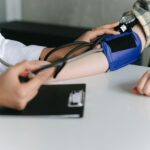
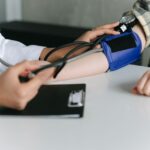
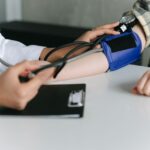
For a diagnosis, doctors usually rely on more than one reading on more than one occasion. Home monitoring can give a clearer picture because it captures many readings over days and weeks. When measuring at home, sit quietly for five minutes first, keep your feet flat, and rest your arm at heart level.
What Raises Blood Pressure?
Most high blood pressure has no single cause. It develops gradually from a mix of genetics, age, and lifestyle. This is called primary hypertension, and it accounts for the large majority of cases.
Some cases have a specific trigger. Kidney disease, thyroid problems, sleep apnea, certain medications, and some hormonal conditions can all raise blood pressure. This is called secondary hypertension. It is less common but more likely in people who develop high blood pressure suddenly, at a young age, or whose pressure is hard to control with standard treatment.
Factors that consistently raise risk across large studies include:
- Excess body weight
- High sodium intake
- Low potassium intake
- Heavy or regular alcohol use
- Physical inactivity
- Chronic stress
- Smoking, which damages artery walls
Smoking is worth calling out because it affects blood pressure in two ways. It raises pressure temporarily with each cigarette, and over time it stiffens and narrows arteries, which raises pressure permanently.
Does High Blood Pressure Cause Symptoms?
Usually, no. High blood pressure is often called a silent condition because it rarely produces noticeable symptoms until damage is already done. Some people report headaches, nosebleeds, or shortness of breath, but these symptoms are not reliable indicators. They can occur for many other reasons.
By the time symptoms appear, the damage may already be significant. Untreated high blood pressure strains the heart, kidneys, brain, and eyes over years. It is a leading risk factor for heart attack, stroke, kidney failure, and vision loss. This is why regular measurement matters more than waiting to feel unwell.
When Should You Check Your Blood Pressure?
Adults should have their blood pressure checked at least once a year at a routine visit, and more often if readings have been borderline or high. There is no reliable way to know your numbers without measuring them.
If you have been told your pressure is elevated, home monitoring can help you and your doctor see patterns over time. Keep a log of your readings and bring it to appointments. Trends are often more useful than any single number.
If your readings are consistently at or above 130/80 mm Hg, talk with a doctor about what your numbers mean for you. Treatment decisions depend on your overall risk, not just the number itself. Two people with the same reading can receive different advice based on their age, other conditions, and family history.
Frequently Asked Questions
What is a normal blood pressure reading?
For most adults, normal blood pressure is below 120/80 mm Hg. Readings between 120–129 systolic with a diastolic under 80 are considered elevated, not yet high.
Is 130/80 considered high blood pressure?
Yes, 130/80 mm Hg falls into stage 1 hypertension under widely used clinical categories. A single reading does not confirm a diagnosis, so doctors typically check again on another occasion.
Can blood pressure be too low?
Blood pressure below 90/60 mm Hg is generally considered low, though some healthy people naturally run low without problems. It only becomes a concern when it causes dizziness, fainting, or fatigue.
Does blood pressure change throughout the day?
Yes, blood pressure naturally rises and falls over the course of a day. It is usually lowest during sleep and highest in the morning or during physical activity or stress.
