

Testosterone replacement therapy can raise blood pressure in some men, and that rise is usually modest but real. The most effective steps to lower blood pressure on TRT are the same ones that work for anyone: reduce sodium, move more, limit alcohol, manage weight, and sleep well. If those are not enough, your clinician may adjust your testosterone dose, change how often you take it, or add a blood pressure medication.
What makes TRT different is that the hormone itself can be part of the problem. So the first question is not just how to lower blood pressure, but whether your current testosterone regimen is contributing to it.
Does Testosterone Replacement Therapy Raise Blood Pressure?
Yes, in some men. The evidence points to a small average increase in blood pressure with testosterone therapy, though individual responses vary widely.
Testosterone affects blood pressure through several pathways. It can cause the body to retain sodium and fluid, which increases blood volume. It can also influence the walls of blood vessels and how the nervous system regulates circulation. Some research suggests testosterone may affect the renin-angiotensin system, the hormone network that controls blood pressure and fluid balance.
Not every man sees a rise. Some see no change at all. A smaller number see a meaningful increase that needs attention. The response depends on your baseline blood pressure, your dose, your delivery method, and your overall health.
This is why monitoring matters. A man who starts TRT with normal blood pressure may drift into the elevated range over months without noticing anything. High blood pressure usually has no symptoms.
How Do You Lower Blood Pressure On TRT Without Medication?
Lifestyle changes are the first line, and they work. The same habits that lower blood pressure in the general population lower it in men on TRT.
Sodium. Cutting sodium intake can lower blood pressure for many people. The American Heart Association recommends no more than 2,300 mg per day, moving toward an ideal limit of 1,500 mg per day for most adults. Most of the sodium in the American diet comes from processed and restaurant food, not the salt shaker.
Physical activity. Regular aerobic exercise — brisk walking, cycling, swimming — can lower systolic blood pressure by several points in people with hypertension. The effect is well established. Aim for at least 150 minutes of moderate activity per week, which is the standard public health recommendation.
Alcohol. Drinking less lowers blood pressure. If you drink, reducing intake is one of the more reliable non-drug steps you can take.
Weight. Losing excess weight lowers blood pressure. Even modest weight loss can produce a measurable drop.
Sleep. Poor sleep and untreated sleep apnea are strongly linked to high blood pressure. Sleep apnea is common in men and often undiagnosed. If you snore heavily or wake unrefreshed, that is worth investigating.
Potassium. Getting enough potassium from food — not supplements — can help offset sodium’s effects. Foods like beans, potatoes, bananas, and leafy greens are good sources. If you have kidney disease, talk to your doctor before increasing potassium.
Can Adjusting Your TRT Dose Or Method Lower Blood Pressure?
Sometimes yes. The dose and the delivery method both matter, and your clinician has options.
Higher doses tend to produce more fluid retention and more blood pressure elevation. If your blood pressure has risen since starting TRT, your clinician may check whether your dose is higher than needed to keep testosterone in the normal range. A lower dose that still achieves normal levels may reduce the pressure effect.
Injection frequency also plays a role. Testosterone injections given every two to four weeks can cause large swings — peaks that are too high and troughs that are too low. More frequent, smaller injections tend to produce steadier levels. Some clinicians find this smoother profile is easier on blood pressure, though the evidence here is not as strong as the evidence for lifestyle factors.
Delivery method matters too. Injections, gels, patches, and pellets all deliver testosterone differently. Gels and patches tend to produce steadier blood levels than long-interval injections. If one method is causing problems, another may not.
Do not change your dose or schedule on your own. Testosterone is a controlled medication and dose changes should be managed by the prescribing clinician who can monitor your levels and blood pressure together.



When Should Blood Pressure Medication Be Considered?
If lifestyle changes and dose adjustments are not enough, blood pressure medication is the next step. This is common and not a sign of failure.
Blood pressure is classified by established criteria. Normal is below 120/80 mm Hg. Elevated is 120–129 systolic with diastolic below 80. Stage 1 hypertension is 130–139 systolic or 80–89 diastolic. Stage 2 is 140 or higher systolic or 90 or higher diastolic.
For men on TRT whose blood pressure stays in the hypertensive range despite lifestyle efforts, standard antihypertensive medications work. There is no special class of blood pressure drug reserved for TRT users. Your clinician will choose based on your overall health, kidney function, and other conditions.
One practical point: some blood pressure medications and testosterone can interact in ways that affect fluid balance or potassium. This is another reason your prescribing clinician should know about all your medications.
What Monitoring Should You Do On TRT?
Check your blood pressure regularly. This is the single most useful thing you can do.
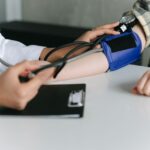
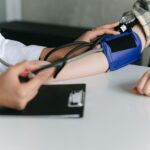
Home blood pressure monitors are inexpensive and accurate when used correctly. Measure at the same time each day, sit quietly for five minutes first, keep your feet flat, and rest your arm at heart level. Take two readings a minute apart and average them.
Bring your readings to your appointments. A log of home readings often tells your clinician more than a single office measurement, which can be affected by the stress of the visit.
Also worth tracking:
- Any new swelling in your ankles or hands, which can signal fluid retention
- Unexplained weight gain over days, which can reflect fluid buildup
- Headaches, shortness of breath, or chest discomfort — seek care promptly for these
- Your testosterone levels, which your clinician will check periodically
Your clinician should check your blood pressure at each visit and review your levels. If your blood pressure is rising, that is a signal to act, not to wait.
What Does The Evidence Actually Show About TRT And Heart Risk?
The picture is mixed, and honest reporting means saying so.
Some studies have raised concerns about cardiovascular risk with testosterone therapy. Others have not found a clear increase. A large randomized trial — the TRAVERSE trial, published in the New England Journal of Medicine — found that testosterone therapy did not increase the risk of major cardiac events in men with hypogonadism and existing cardiovascular risk factors. That trial did not find a reduced risk either.
Blood pressure is a separate question from heart events. A rise in blood pressure is a measurable physiological effect, and it matters over time. Even a small sustained increase can contribute to cardiovascular risk across years.
What this means practically: TRT is not a free pass. If you are on it, blood pressure deserves attention the same way it would for anyone else. The goal is not to fear TRT but to monitor it properly.
What Lifestyle Factors Matter Most For Blood Pressure On TRT?
If you want the highest-impact changes, focus on these.
Sodium reduction is near the top. It directly counteracts the fluid retention that testosterone can promote.
Regular aerobic exercise is well established for lowering blood pressure and also supports cardiovascular health broadly.
Alcohol reduction has a direct effect on blood pressure and is often underestimated.
Sleep apnea treatment can matter a great deal. If you have untreated sleep apnea, treating it may improve blood pressure more than any other single step.
Weight management helps, especially if you carry excess weight around the abdomen.
These are not TRT-specific tricks. They are the fundamentals, and they work whether or not you are on testosterone.
Does TRT Always Raise Blood Pressure?
No. Some men see no change. Some see a small rise. A smaller number see a rise that needs treatment. The average effect in studies is modest, but averages hide individual variation.
Your baseline matters. If your blood pressure is already elevated before TRT, you have less room before it becomes a clinical concern. If it is normal and stays normal, monitoring may be all you need.
The key is not to assume. Measure. Track. Act on what you find.
Frequently Asked Questions
Can TRT cause high blood pressure?
Yes, testosterone therapy can raise blood pressure in some men, usually modestly. The effect varies by dose, delivery method, and individual response.
How do I lower my blood pressure while on testosterone?
Reduce sodium, exercise regularly, limit alcohol, manage weight, and treat sleep apnea if present. If those are not enough, your clinician may adjust your TRT dose or add a blood pressure medication.
Should I stop TRT if my blood pressure goes up?
Do not stop on your own — talk to your prescribing clinician first. In many cases the dose or delivery method can be adjusted, or blood pressure medication added, without stopping therapy.
Does injection frequency affect blood pressure on TRT?
It may. More frequent, smaller injections produce steadier testosterone levels than long-interval injections, and some clinicians find this easier on blood pressure, though the evidence is not as strong as for lifestyle factors.
