
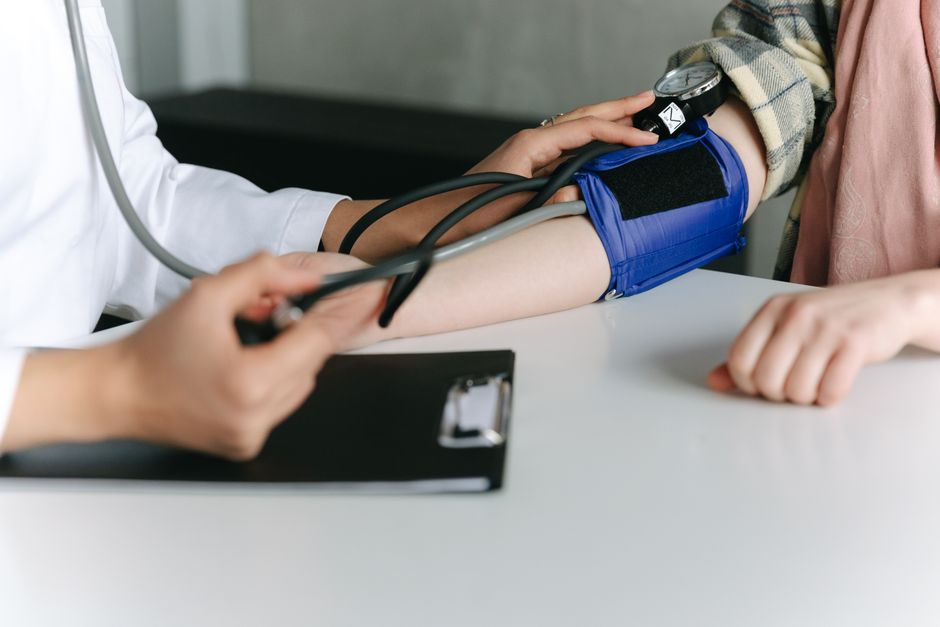
If you just had your blood pressure taken and the number came back low, the first thing to know is that a low reading by itself is not a diagnosis. A blood pressure reading only becomes medically meaningful when it is paired with how you actually feel. A reading of 88/56 in a calm, healthy 30-year-old who feels fine is usually nothing to worry about. The same reading in someone who is dizzy, confused, or has just stood up after a long illness means something very different.
So why was your blood pressure low? Blood pressure is the force of blood pushing against your artery walls. It is controlled by how hard your heart pumps, how much blood is in your vessels, and how tightly those vessels are squeezed or relaxed. When any of those three change, your reading changes with them. That is the whole story in one sentence. Everything else in this article is detail.
What Counts as Low Blood Pressure?
There is no single number that defines low blood pressure for everyone. Clinicians generally treat a reading below 90/60 mmHg as low, but the number matters far less than the symptoms attached to it.
For most adults, a normal resting blood pressure sits somewhere around 120/80 mmHg. The top number (systolic) is the pressure when your heart contracts. The bottom number (diastolic) is the pressure when your heart relaxes between beats. Both matter, but systolic tends to get more attention because it is the stronger predictor of cardiovascular problems at the population level.
Here is the part many people miss: a reading of 85/55 that causes no symptoms is not treated. A reading of 100/65 that comes with fainting is treated. The threshold for concern is not a fixed line on a chart. It is a line drawn around your symptoms, your medications, and your medical history.
Some people naturally run low. Young, small-framed people and trained endurance athletes often sit in the 90/60 range as their baseline. Their bodies have adapted to it. For them, low is normal.
Why Was Your Blood Pressure Low? The Main Causes
Low blood pressure happens when the balance between heart output, blood volume, and vessel tone tips too far in one direction. In practice, a handful of causes account for most cases.
Dehydration and blood volume
Blood is roughly half water. When you lose fluid through sweating, vomiting, diarrhea, or simply not drinking enough, your blood volume drops. Less fluid in the pipes means lower pressure in the pipes. This is one of the most common and most reversible causes.
Medications
Many common prescriptions lower blood pressure as their intended effect. Others lower it as a side effect. Blood pressure medications, diuretics, some antidepressants, certain heart medications, and some drugs used for Parkinson’s disease can all push readings down. If your reading dropped after a medication change, that timing is a real clue worth mentioning to your clinician.
Standing up too fast (orthostatic hypotension)
When you stand, gravity pulls blood into your legs. Normally your body tightens your blood vessels and nudges your heart rate up to compensate. If that reflex is slow or blunted, your pressure dips for a moment and you feel lightheaded. This is called orthostatic hypotension. It becomes more common with age and with certain medications and health conditions.
Heart and endocrine conditions
Problems with the heart’s rhythm or pumping strength can reduce output. Hormonal conditions such as thyroid disorders, adrenal insufficiency, and low blood sugar can also lower pressure. These are less common than dehydration or medication effects, but they are the ones a clinician will want to rule out when the cause is not obvious.
Pregnancy
Blood pressure often runs lower during pregnancy, especially in the first and second trimesters, because blood vessels relax and the circulatory system expands. This is usually normal. However, any low reading in pregnancy that comes with dizziness, bleeding, or feeling unwell should be checked promptly. No clinical guidelines currently recommend treating low blood pressure in pregnancy with medication unless a specific cause is found.
Severe causes
In rare cases, low blood pressure signals something serious: significant blood loss, a severe infection (sepsis), a severe allergic reaction (anaphylaxis), or shock. These are medical emergencies. They come with obvious signs — confusion, cold and clammy skin, rapid breathing, a weak and fast pulse. This is not the kind of low blood pressure you watch at home.
What Are the Symptoms of Low Blood Pressure?
Symptoms are what separate a harmless low reading from a concerning one. If you feel normal, you likely do not need to do anything. If you feel any of the following, the reading deserves attention.
- Dizziness or lightheadedness, especially when standing
- Fainting or near-fainting
- Blurred or fading vision
- Fatigue that is unusual for you
- Nausea
- Difficulty concentrating
- Cold, pale, or clammy skin
- Rapid or shallow breathing
The pattern matters. Symptoms that only appear when you stand up point toward orthostatic hypotension. Symptoms that come on after not eating point toward low blood sugar. Symptoms that follow a stomach bug point toward dehydration. A single reading with no symptoms and no pattern is usually not worth chasing.



When Should You Take Low Blood Pressure Seriously?
Take it seriously when the number and the symptoms line up, or when the drop is sudden and unexplained.
Seek urgent medical care if low blood pressure comes with fainting, chest pain, shortness of breath, confusion, a rapid weak pulse, or cold clammy skin. These can indicate shock, a heart problem, or a serious infection, and they need evaluation right away.
See a clinician soon — not necessarily in an emergency — if you have repeated dizzy spells when standing, if your readings have dropped after a medication change, or if low readings are new for you and are affecting your daily life. Bring your actual numbers with you. Note the time of day, whether you had eaten or drunk anything, and whether you were sitting or standing. That context is often more useful than the number itself.
One practical note that surprises many people: how the reading is taken changes the reading. A cuff that is too small, an arm held below heart level, or measuring right after exercise can all produce a falsely low number. If a single reading looks alarming but you feel fine, it is reasonable to retake it properly before drawing conclusions.
How Is Low Blood Pressure Treated?
Treatment depends entirely on the cause. There is no single treatment for low blood pressure, because low blood pressure is not one condition.
When dehydration is the cause, replacing fluids is the fix. When a medication is the cause, adjusting or changing that medication — always with a clinician’s guidance, never on your own — often resolves it. When a heart or hormonal condition is the cause, treating that condition is the priority.
For people with recurrent orthostatic symptoms, some clinicians recommend practical steps such as standing up slowly, drinking more water, and avoiding long periods of standing still. Some clinicians also recommend compression stockings, which apply gentle pressure to the legs to help blood return to the heart. The evidence for compression stockings is stronger in some situations than others, so it is best discussed with your clinician rather than started on your own.
Medication to raise blood pressure exists, but it is reserved for specific situations and is not appropriate for everyone with a low reading. If you have no symptoms, medication is generally not used.
Can You Prevent Low Blood Pressure?
You cannot prevent every cause, but you can reduce the odds of the most common ones.
Staying well hydrated is the single most useful habit for most people. Drinking enough fluid helps maintain blood volume, which helps maintain pressure. This matters most in hot weather, during exercise, and when you are sick with vomiting or diarrhea.
Rising slowly from sitting or lying positions gives your body time to adjust. Clenching your fists or crossing your legs before you stand can help in people prone to orthostatic drops, though this works better for some people than others.
Eating regular meals helps keep blood sugar steady, which matters if low readings are tied to skipping meals. Limiting alcohol is also reasonable, since alcohol can dilate blood vessels and contribute to dehydration.
If you take medication that lowers blood pressure, do not stop or change it on your own. Talk to your prescriber. Abruptly stopping certain blood pressure medications can cause a dangerous rebound.
Frequently Asked Questions
Is 90/60 a dangerously low blood pressure?
A reading of 90/60 mmHg is generally considered low, but it is only dangerous if it comes with symptoms like dizziness, fainting, or confusion. Many healthy people run at this level as their normal baseline.
Why is my blood pressure low but I feel fine?
If you feel fine, your body has likely adapted to that pressure, which is common in younger people, smaller-framed people, and endurance athletes. A low reading without symptoms usually does not need treatment.
Can low blood pressure be a sign of something serious?
In rare cases it can signal blood loss, a severe infection, or a severe allergic reaction, but those situations come with obvious signs like confusion, cold clammy skin, or a rapid weak pulse. Low blood pressure without those signs is rarely an emergency.
Does low blood pressure need medication?
Usually not. Medication to raise blood pressure is reserved for specific situations, and people without symptoms are generally not treated with it.
