
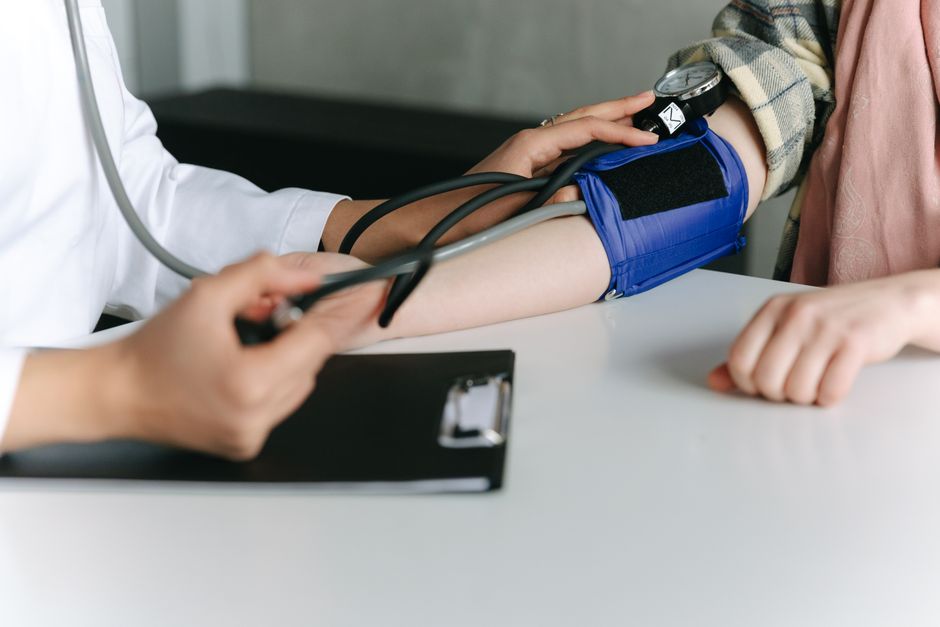
A blood pressure reading above 180/120 mmHg is a medical emergency. It is called a hypertensive crisis, and it requires immediate attention — not a wait-and-see approach. This is different from the everyday high blood pressure millions of Americans live with. A hypertensive crisis is an acute event, and how it is handled in the first hours can determine whether someone avoids permanent organ damage.
What Is Severe High Blood Pressure Hypertensive Crisis?
A hypertensive crisis is defined as a blood pressure reading of 180/120 mmHg or higher. When that reading comes with signs of organ damage — chest pain, shortness of breath, vision changes, confusion, or weakness — it is classified as a hypertensive emergency. Without those symptoms, it is called a hypertensive urgency. Both require prompt medical evaluation, but they are treated differently.
The distinction matters because the treatment approach is not the same. A hypertensive emergency means organs are already being harmed and blood pressure must be lowered carefully in a hospital setting. A hypertensive urgency means the risk of immediate organ damage appears lower, but the reading still needs to come down safely and soon.
One reading at 180/120 does not automatically mean a crisis. Blood pressure can spike temporarily from pain, anxiety, or physical exertion. The key is whether it stays elevated when measured again after a few minutes of rest, and whether any symptoms are present.
What Causes Blood Pressure to Spike to Crisis Levels?
Most people who arrive at an emergency room with a hypertensive crisis already have a history of high blood pressure. The crisis usually happens when that chronic condition goes untreated, is undertreated, or when medication is stopped abruptly.
Several factors can push blood pressure into crisis territory:
- Skipping or stopping blood pressure medications
- Kidney disease or kidney failure
- Pregnancy complications such as preeclampsia
- Illegal stimulant use, including cocaine or amphetamines
- Certain medications, including some antidepressants, decongestants, and steroids
- Severe pain, burns, or head injury
- Adrenal gland tumors such as pheochromocytoma
- Drug interactions or withdrawal from alcohol or certain sedatives
The mechanism behind most cases is straightforward. Blood vessels are under constant high pressure, and the body’s regulatory systems that normally keep pressure stable begin to fail. This creates a feedback loop where the vessels tighten further, pressure rises more, and the cycle accelerates.
In some cases, the cause is never identified. A person with no prior history of hypertension can still develop a crisis. That is why any reading at or above 180/120 deserves attention regardless of someone’s medical background.
What Are the Warning Signs of a Hypertensive Emergency?
The symptoms of a hypertensive emergency depend on which organs are being affected. The brain, heart, eyes, kidneys, and blood vessels are the most vulnerable.
Warning signs include:
- Chest pain or pressure
- Shortness of breath
- Severe headache
- Blurred vision or vision loss
- Confusion or difficulty speaking
- Numbness or weakness on one side of the body
- Nausea and vomiting
- Seizures
- Reduced urine output
Any of these symptoms alongside a reading of 180/120 mmHg or higher means calling 911 immediately. Do not drive yourself to the hospital. Do not wait to see if it improves.
It is also worth understanding that a hypertensive emergency can sometimes cause no obvious symptoms at all. Some people with dangerously high readings feel completely normal. The damage is happening internally without outward signs. This is one reason routine blood pressure monitoring matters, especially for anyone with a known history of hypertension.

How Is a Hypertensive Crisis Treated?
Treatment depends entirely on whether organ damage is present.
For a hypertensive emergency, the goal is to lower blood pressure gradually in a controlled hospital setting. Doctors typically use intravenous medications that can be adjusted minute by minute. The target is usually to reduce mean arterial pressure by no more than about 25 percent in the first hour, then move toward a reading of around 160/100 mmHg over the next several hours.
Lowering blood pressure too quickly can be dangerous. If pressure drops suddenly, blood flow to the brain, heart, and kidneys can fall below what those organs need. That is why this is done in an intensive care unit or a closely monitored hospital setting, not at home.
For a hypertensive urgency, the approach is different. There is no evidence that rushing to bring the number down in the emergency room improves outcomes. In fact, research has consistently shown that rapid reduction in urgency cases can cause harm. Most clinicians will adjust oral medications and arrange close follow-up within days.
Some clinicians recommend a period of observation before deciding on a treatment path. This allows the care team to confirm whether the elevated reading is sustained or was a temporary spike.
In both scenarios, the underlying cause matters. If the crisis was triggered by a kidney problem, a drug interaction, or a pregnancy complication, that condition needs its own treatment. Simply lowering the number without addressing the cause often leads to another crisis.
What Happens If a Hypertensive Crisis Is Not Treated?
Untreated hypertensive emergencies cause organ damage that can be permanent or fatal. The specific damage depends on which organs are affected and how long the pressure stays elevated.
Possible outcomes include:
- Stroke from bleeding in the brain
- Heart attack from reduced blood flow to the heart muscle
- Pulmonary edema — fluid buildup in the lungs
- Aortic dissection — a tear in the main artery
- Kidney failure requiring dialysis
- Retinopathy — damage to blood vessels in the eye that can cause vision loss
- Eclampsia in pregnant women, which threatens both mother and baby
Aortic dissection is one of the most time-sensitive complications. It happens when the inner lining of the aorta tears, allowing blood to flow between the layers of the vessel wall. It is often fatal without surgery, and the risk increases with every minute that blood pressure stays uncontrolled.
The severity of outcomes varies widely. Some people recover fully with prompt treatment. Others are left with lasting damage. The single biggest factor in the outcome is how quickly they received care.
How Can a Hypertensive Crisis Be Prevented?
Most hypertensive crises are preventable. They almost always occur in people whose blood pressure was not adequately controlled beforehand.
The most important step is taking blood pressure medication as prescribed. Stopping medication suddenly — even when someone feels fine — is one of the most common triggers. High blood pressure typically has no symptoms, so feeling well is not evidence that the medication is unnecessary.
Home blood pressure monitoring helps. A validated upper-arm cuff allows someone to track their readings over time and notice trends before they become emergencies. Readings taken at home tend to be slightly lower than those taken in a clinic, which is expected and normal.
Other preventive measures include:
- Keeping regular follow-up appointments with a healthcare provider
- Avoiding stimulant drugs and unnecessary decongestants
- Limiting alcohol
- Managing conditions that contribute to high blood pressure, such as sleep apnea and kidney disease
- Knowing personal target blood pressure goals, which may differ for people with diabetes or kidney disease
For pregnant women, prenatal care is critical. Preeclampsia can develop quickly, and blood pressure monitoring is a standard part of prenatal visits for good reason.
There is no evidence that lifestyle changes alone can reverse a hypertensive crisis once it is happening. Diet and exercise help prevent chronic high blood pressure over time, but they are not a treatment for an acute crisis. Anyone with a reading at or above 180/120 needs medical care, not a dietary adjustment.
When Should You Call 911 vs. Contact Your Doctor?
The decision comes down to symptoms. A reading of 180/120 mmHg or higher with chest pain, shortness of breath, vision changes, confusion, weakness, or difficulty speaking is a 911 call. Do not wait, do not drive yourself, and do not try to lower the number at home by taking extra medication.
A reading of 180/120 mmHg or higher without symptoms is still urgent, but it is not necessarily an emergency. Rest for five minutes and measure again. If it remains that high, contact a healthcare provider right away for guidance on next steps.
Taking extra doses of blood pressure medication to bring the number down quickly is dangerous. It can cause blood pressure to drop too far, leading to fainting, falls, or reduced blood flow to vital organs. This is one of the most common and serious mistakes people make during a spike.
Frequently Asked Questions
What blood pressure reading is considered a hypertensive crisis?
A hypertensive crisis is a reading of 180/120 mmHg or higher. If symptoms like chest pain, shortness of breath, or vision changes are present, it is a hypertensive emergency and requires calling 911.
Can a hypertensive crisis go away on its own?
A hypertensive emergency will not resolve without medical treatment and can cause permanent organ damage. A hypertensive urgency may improve with rest and medication adjustments, but it still requires prompt medical guidance.
Should I take extra blood pressure medication during a spike?
No. Taking extra doses can cause blood pressure to drop dangerously low and reduce blood flow to vital organs. Contact a healthcare provider or call 911 instead.
How fast should blood pressure be lowered in a hypertensive emergency?
In a hospital setting, mean arterial pressure is typically reduced by no more than about 25 percent in the first hour. Lowering it faster can deprive the brain, heart, and kidneys of needed blood flow.
