
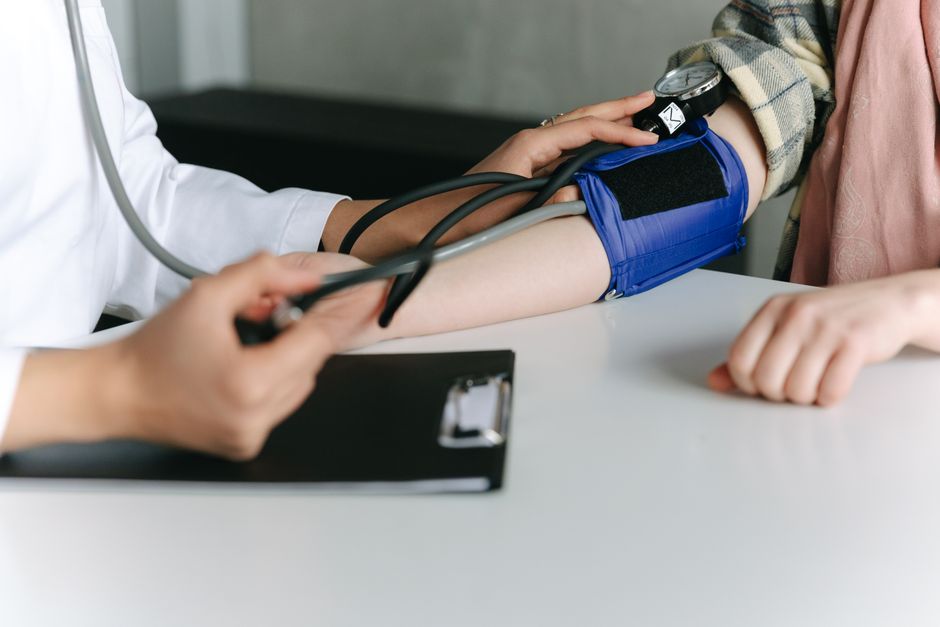
Low blood pressure, or hypotension, is not always a problem. Many people with low numbers feel just fine. The trouble starts when blood pressure drops enough to cause symptoms like dizziness, fainting, or shock. What causes low blood pressure from mild to severe ranges from simple dehydration to life-threatening conditions like severe infection or heart failure. The key difference between mild and severe is whether your body can still deliver enough blood and oxygen to your vital organs.
What Is the Difference Between Mild and Severe Low Blood Pressure?
Mild low blood pressure often has no symptoms. Your numbers might read 90/60 or lower, and you feel normal. Some people live this way their whole lives. It only becomes a concern when symptoms appear.
Severe low blood pressure means your organs are not getting enough blood. This is called shock. It is a medical emergency. The numbers matter less than how you feel. A person with severe hypotension might be confused, have cold clammy skin, or pass out. The heart races to try to keep up. Without treatment, organs start to fail.
The transition from mild to severe can happen fast. A mild case from dehydration can become serious within hours if fluids are not replaced. Understanding the cause matters because treatment depends entirely on what is driving the drop.
What Causes Low Blood Pressure From Mild To Severe?
The causes fall into a few main categories. Some are temporary and easy to fix. Others require urgent medical care.
| Category | Examples | Typical Severity |
|---|---|---|
| Dehydration | Not drinking enough water, vomiting, diarrhea, heavy sweating | Mild to moderate |
| Medication side effects | Blood pressure drugs, diuretics, antidepressants, erectile dysfunction drugs | Mild to severe |
| Heart problems | Slow heart rate, heart valve disease, heart attack, heart failure | Moderate to severe |
| Endocrine disorders | Adrenal insufficiency, thyroid disease, low blood sugar | Mild to severe |
| Blood loss | Internal bleeding, heavy menstrual bleeding, trauma | Moderate to severe |
| Severe infection | Sepsis from a bacterial infection | Severe |
| Allergic reaction | Anaphylaxis from food, insect stings, or medication | Severe |
| Neurally mediated | Standing up too fast, prolonged standing, after eating a large meal | Mild to moderate |
Dehydration is the most common cause of mild hypotension. Blood volume drops, so pressure falls. Drinking water usually fixes it. On the other hand, sepsis causes blood vessels to widen dramatically and leak fluid. This can drop pressure to dangerous levels within minutes.
Medication is another frequent cause. People on multiple blood pressure drugs can have their pressure drop too low, especially when starting a new medication or changing doses. The American Heart Association notes that older adults are especially sensitive to these effects.
What Does Research on Low Blood Pressure Causes Show?
Research published in the Journal of the American College of Cardiology found that about 5 percent of people have naturally low blood pressure with no health problems. For them, it is not a disease. It is just their normal.
Studies from the National Institutes of Health show that orthostatic hypotension — the drop that happens when you stand up — affects up to 20 percent of adults over 65. This is not just about getting dizzy. A study in Neurology linked frequent orthostatic hypotension with a higher risk of falls and even cognitive decline over time.
Severe hypotension from sepsis is a leading cause of death in hospitals. The CDC reports that about 1.7 million adults in the U.S. develop sepsis each year. Early treatment with fluids and antibiotics is critical. Every hour of delay increases the risk of death.
Evidence on postprandial hypotension — low blood pressure after eating — is less well known but real. Blood rushes to the digestive system. In older people, the body does not compensate fast enough. Blood pressure can drop 20 points or more within an hour of a large meal. Carbohydrate-heavy meals seem to trigger this more than protein or fat.


How Do Doctors Determine the Underlying Cause?
Doctors start with your numbers and your symptoms. A single low reading does not mean much. They look for patterns.
The first step is measuring blood pressure in different positions. Lying down, sitting, and standing. A drop of 20 points systolic or 10 points diastolic within three minutes of standing suggests orthostatic hypotension. This is a standard test recommended by the American College of Cardiology.
Blood tests check for anemia, infection, thyroid problems, and adrenal function. An electrocardiogram looks at heart rhythm. If heart problems are suspected, an echocardiogram checks valve function and how well the heart pumps.
In some cases, a tilt table test is used. You lie on a table that tilts upright while your heart rate and blood pressure are monitored. This can reveal neurally mediated hypotension, a condition where the brain sends wrong signals to the heart and blood vessels.
Medication review is part of every evaluation. Doctors look at every pill, supplement, and over-the-counter drug. Blood pressure medications, diuretics, and some antidepressants are common culprits. The solution might be as simple as changing the dose or timing.
What Are the Practical Steps for Managing Low Blood Pressure?
Treatment depends on the cause. For dehydration, drink more water. The Institute of Medicine recommends about 3.7 liters total per day for men and 2.7 liters for women, but needs vary. If you are sweating heavily or sick, you need more.
For orthostatic hypotension, small changes help. Stand up slowly. Sit on the edge of the bed for a minute before standing. Compression stockings can keep blood from pooling in your legs. Some studies suggest drinking about 500 milliliters of water right before standing can prevent a drop.
Diet adjustments matter for postprandial hypotension. Eat smaller meals. Reduce carbohydrates. Walk slowly after eating instead of sitting. This helps blood circulate.
- Increase salt intake only if your doctor approves. Salt raises blood pressure but is dangerous for people with heart failure or kidney disease.
- Avoid alcohol. It widens blood vessels and can drop pressure further.
- Stay cool. Hot environments cause blood vessels to dilate.
- Check your blood pressure at home at different times. Keep a log to show your doctor.
For severe cases caused by bleeding, infection, or heart problems, hospital treatment is needed. Intravenous fluids, blood transfusions, antibiotics, or medications that tighten blood vessels may be used. These are not things to manage at home.
What Are the Common Misconceptions About Low Blood Pressure?
The biggest myth is that low blood pressure is always safe. It is not. Mild low pressure with no symptoms is fine. Severe low pressure with symptoms is dangerous. The difference is whether your organs are getting enough blood.
Another myth is that everyone with low blood pressure should eat more salt. Salt raises blood pressure, but it also raises the risk of stroke and heart attack in some people. Never increase salt without talking to your doctor first.
Some people think feeling dizzy is normal when you stand up. It is common, but it is not normal. It means your blood pressure regulation system is not working as well as it should. It deserves attention, especially if it happens often.
There is also a belief that drinking coffee raises blood pressure enough to fix hypotension. Caffeine can cause a small temporary rise, but the effect is weak and inconsistent. Relying on coffee is not a treatment plan.
Finally, many people think medication is the only solution. For many cases of mild to moderate hypotension, lifestyle changes work better than drugs. The goal is to find and address the root cause, not just to raise numbers.
Frequently Asked Questions
Can low blood pressure cause a heart attack?
Severely low blood pressure can reduce blood flow to the heart, which may trigger a heart attack in someone with blocked arteries. It is more common for a heart attack to cause low blood pressure than the other way around.
What is the lowest blood pressure that is safe?
There is no single number that defines safe. If you have no symptoms, readings as low as 85/50 can be fine. If you feel dizzy or faint, any low number is concerning.
Does low blood pressure cause headaches?
Some people report headaches with low blood pressure, but strong evidence is limited. It is not a reliable symptom. Dizziness and fatigue are much more common.
When should I go to the ER for low blood pressure?
Go to the ER if you pass out, have chest pain, trouble breathing, cold clammy skin, or confusion. These suggest severe hypotension and possible shock.
