
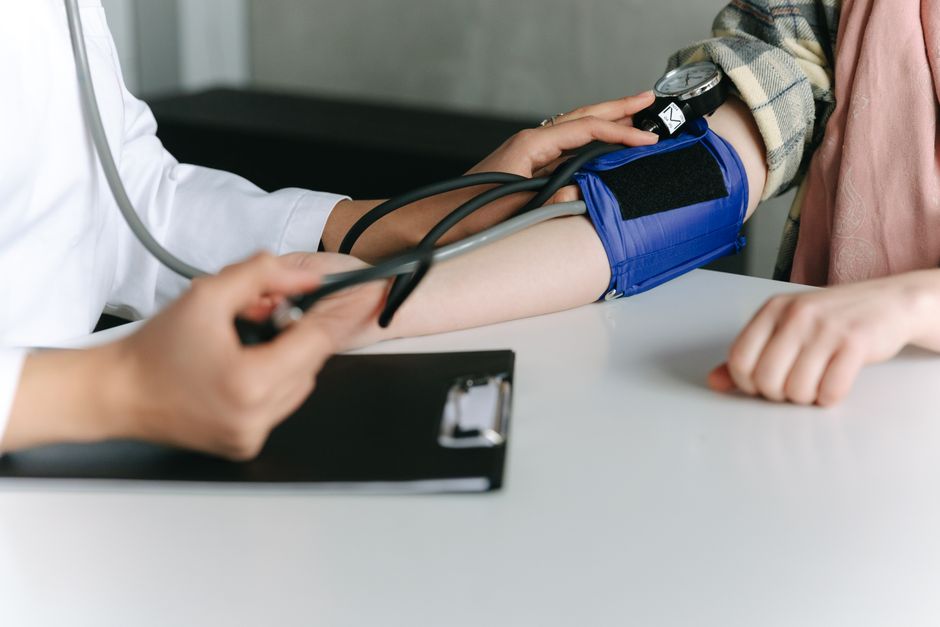
Normal blood pressure for most adults is below 120/80 mmHg, and this standard does not change based on age or gender. While average blood pressure readings tend to rise as people get older, the clinical definition of a healthy reading remains the same for adults of all ages. The guidelines define normal blood pressure as a systolic pressure (the top number) under 120 mmHg and a diastolic pressure (the bottom number) under 80 mmHg, regardless of whether you are a 35-year-old woman or a 65-year-old man.
What Is Normal Blood Pressure By Age And Gender?
Blood pressure is measured in millimeters of mercury (mmHg) and recorded as two numbers. The systolic number measures the pressure in your arteries when your heart beats. The diastolic number measures the pressure when your heart rests between beats. For adults, the medical standard for normal blood pressure is the same across all ages and both genders: less than 120/80 mmHg.
This was not always the case. Older guidelines used to allow higher readings for older adults, assuming that elevated pressure was a natural part of aging. Research consistently showed that this assumption was wrong. Higher blood pressure damages blood vessels, the heart, the brain, and the kidneys at any age. The current standard applies one consistent threshold to every adult.
Blood Pressure Categories Explained
Doctors use specific categories to classify blood pressure readings. These categories help determine who needs treatment and who needs closer monitoring.
- Normal: Systolic less than 120 and diastolic less than 80
- Elevated: Systolic 120-129 and diastolic less than 80
- Stage 1 Hypertension: Systolic 130-139 or diastolic 80-89
- Stage 2 Hypertension: Systolic 140 or higher or diastolic 90 or higher
- Hypertensive Crisis: Systolic over 180 and/or diastolic over 120 — this requires immediate medical attention
A single high reading does not mean you have hypertension. Blood pressure fluctuates throughout the day. It rises with physical activity, stress, and even the simple act of talking. A diagnosis of hypertension typically requires multiple elevated readings taken on separate occasions.
Why Average Blood Pressure Rises With Age
Average blood pressure does increase as people age. This is a statistical observation, not a medical recommendation. The arteries naturally become stiffer and less elastic over time. This stiffness increases resistance to blood flow, which pushes the systolic pressure higher.
This age-related rise is common, but it is not inevitable and it is not healthy. Many people maintain normal blood pressure well into their 70s and 80s through diet, physical activity, and weight management. The fact that high blood pressure becomes more common with age does not mean it should be accepted or left untreated. The damage to blood vessels occurs silently over years, which is why hypertension is often called the silent killer.

How Gender Affects Blood Pressure
Before menopause, women tend to have slightly lower average blood pressure than men of the same age. Estrogen contributes to blood vessel flexibility and promotes the production of nitric oxide, a molecule that helps arteries relax. After menopause, estrogen levels drop, and average blood pressure in women typically rises to match or exceed that of men.
Despite these differences in averages, the normal range does not change. A reading of 115/75 mmHg is normal for both a 40-year-old man and a 60-year-old woman. The risk of heart attack, stroke, and kidney damage begins to increase at the same blood pressure level regardless of gender.
Blood Pressure Tables for Children and Teens
Children are the one group where normal blood pressure is defined differently. Pediatric blood pressure norms are based on age, gender, and height percentile. This is because children’s bodies are growing, and what is normal for a small 8-year-old differs from what is normal for a tall 14-year-old.
Pediatricians use growth charts and specific percentile tables to interpret a child’s blood pressure. A reading in the 90th percentile or higher for a child’s age, gender, and height is considered elevated. Readings in the 95th percentile or higher indicate hypertension. This system exists because adult thresholds do not apply to growing bodies.
Once a person reaches adulthood, height and gender no longer factor into the normal range. The adult standard of less than 120/80 applies uniformly.
How to Get an Accurate Blood Pressure Reading
Many people have higher blood pressure in a doctor’s office than they do at home. This phenomenon is called white coat hypertension. It affects about 15-30% of people with elevated readings in clinical settings. The opposite also exists — masked hypertension, where readings are normal in the office but elevated at home.
To get an accurate reading, follow these steps:
- Do not smoke, drink caffeine, or exercise for 30 minutes before measuring
- Sit quietly for 5 minutes before taking the reading
- Sit with your back supported and both feet flat on the floor
- Rest your arm on a flat surface at heart level
- Use a properly sized cuff — a cuff that is too small gives falsely high readings
- Take two readings one minute apart and record both
Home monitoring is valuable for anyone diagnosed with hypertension or at risk for it. Home readings often give a more accurate picture of your true blood pressure than office readings do. If you monitor at home, take readings at the same time each day, morning and evening, and bring your log to medical appointments.
When to Seek Medical Attention
Hypertension usually produces no symptoms until it causes a medical emergency. This is why regular screening is essential. The American Heart Association recommends that adults have their blood pressure checked at least once every two years if their readings are normal, and more frequently if readings are elevated or if risk factors are present.
Seek immediate emergency care if your blood pressure reads 180/120 mmHg or higher and you experience any of these symptoms:
- Chest pain
- Shortness of breath
- Vision changes
- Numbness or weakness on one side of the body
- Difficulty speaking
- Severe headache
- Back pain
These symptoms could indicate a hypertensive emergency affecting the heart, brain, or major blood vessels. Do not wait to see if symptoms resolve on their own. Call emergency services or go to the nearest emergency department.
Lifestyle Factors That Influence Blood Pressure
Blood pressure responds to several modifiable lifestyle factors. Sodium intake is one of the strongest dietary influences. Higher sodium intake raises blood pressure in most people, particularly those who are salt-sensitive. The Dietary Approaches to Stop Hypertension (DASH) diet, which emphasizes fruits, vegetables, whole grains, and low-fat dairy while limiting sodium, has been shown in multiple studies to lower blood pressure significantly.
Body weight matters as well. Excess weight increases the workload on the heart and raises blood pressure. Weight loss of even 5-10% of body weight can produce meaningful reductions in blood pressure for people who are overweight.
Physical activity strengthens the heart, allowing it to pump blood with less effort. Regular aerobic exercise — such as brisk walking, cycling, or swimming — can lower systolic blood pressure by several points. Alcohol consumption also affects blood pressure. Heavy drinking raises blood pressure, and limiting alcohol intake can help lower it.
Frequently Asked Questions
Is 130/80 normal for a 60-year-old?
No. A reading of 130/80 mmHg is classified as Stage 1 hypertension for any adult, regardless of age. The normal threshold of below 120/80 applies to all adults, including those over 60.
What is a dangerous blood pressure for a woman over 50?
Readings of 180/120 mmHg or higher are dangerous and require immediate emergency care. Sustained readings of 140/90 or higher indicate Stage 2 hypertension and require medical evaluation.
Does normal blood pressure differ between men and women?
The normal range is identical for both genders at below 120/80 mmHg. Before menopause, women often have slightly lower average readings than men, but the healthy threshold does not change.
Can high blood pressure be reversed without medication?
Some people with elevated or Stage 1 hypertension can lower their blood pressure through lifestyle changes such as reducing sodium, losing weight, exercising regularly, and limiting alcohol. Whether medication is needed depends on your overall cardiovascular risk, which your doctor can assess.
