

Blood pressure readings tell you how hard your heart is working to push blood through your body. The number matters because high blood pressure usually has no symptoms but can quietly damage your heart, brain, and kidneys over time. Normal blood pressure for most adults is below 120/80 mmHg. Readings between 120-129/less than 80 are considered elevated. A diagnosis of high blood pressure starts at 130/80 mmHg or higher. These numbers apply to adults of all ages, though children use a different scale based on age, height, and sex.
What Do The Two Numbers In A Blood Pressure Reading Mean?
The top number is called systolic pressure. It measures the pressure in your arteries when your heart beats and pushes blood out. The bottom number is diastolic pressure. It measures the pressure when your heart rests between beats.
Both numbers matter for your health. A reading of 150/90 means your systolic pressure is high even though your diastolic is close to normal. A reading of 115/85 means your systolic is fine but your diastolic is slightly above the normal range.
Doctors use both numbers together to classify your blood pressure. This classification guides treatment decisions, so neither number should be ignored.
What Blood Pressure Is Normal Ranges For All Ages?
For adults 18 and older, normal blood pressure is the same regardless of age. The American College of Cardiology and the American Heart Association define normal as systolic less than 120 AND diastolic less than 80. This standard does not change as you get older.
Many people assume higher readings are acceptable for seniors. That is not what current guidelines say. The target for most adults, including those over 65, remains below 120/80. Some older adults may have different individual targets based on their health conditions, but “normal” is still defined the same way.
Blood pressure categories for adults:
- Normal: Less than 120/80
- Elevated: 120-129 and less than 80
- High blood pressure stage 1: 130-139 or 80-89
- High blood pressure stage 2: 140 or higher, or 90 or higher
- Hypertensive crisis: Higher than 180 and/or higher than 120 — seek emergency care
These categories come from the 2017 ACC/AHA guidelines, which remain the standard in the United States. The “or” in stages 1 and 2 means only one number needs to be in that range for the category to apply.
How Are Children’s Blood Pressure Ranges Different?
Children have different blood pressure standards because their bodies are still growing. A reading that is normal for a 7-year-old may be high for a 14-year-old. Doctors compare a child’s blood pressure to percentiles based on age, sex, and height.
For children, normal blood pressure means readings below the 90th percentile for their age, sex, and height. Elevated blood pressure is between the 90th and 95th percentile. High blood pressure starts at the 95th percentile or higher.
No single number defines normal for all children. A pediatrician calculates the appropriate range at each visit. Parents should not try to interpret a child’s reading using adult standards.
High blood pressure in children is increasingly common, often linked to obesity. If your child’s doctor flags a high reading, it deserves attention rather than being dismissed as a one-time fluke.
Does Age Change What Blood Pressure Is Considered Safe?
Blood pressure naturally tends to rise with age. Arteries become stiffer over time, which increases resistance to blood flow. This is a physical change that happens to nearly everyone.
However, age-related increases do not change the definition of normal. A 70-year-old with a reading of 145/90 has hypertension just like a 40-year-old with the same numbers. The damage to blood vessels occurs regardless of age.
That said, treatment targets can differ for older adults. Some people over 80 with multiple health conditions may have slightly higher targets to avoid side effects from medications. This is a clinical decision made individually, not a change in what “normal” means.
Research consistently shows that lowering blood pressure in older adults reduces the risk of heart attack, stroke, and death. Age alone is not a reason to accept high readings.
How Often Should You Check Your Blood Pressure?
Adults with normal blood pressure should have it checked at least once every two years during routine healthcare visits. If your readings are elevated or high, more frequent monitoring is needed. Your doctor will recommend a schedule based on your numbers and risk factors.
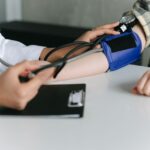
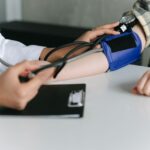
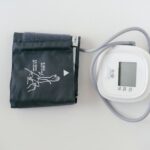
Home monitoring is useful for people with high blood pressure or those at risk. A home blood pressure monitor can help you track changes between office visits. It also helps identify “white coat hypertension” — readings that are high only in a medical setting because of anxiety.
For home readings, sit quietly for five minutes before measuring. Keep your feet flat on the floor and your arm supported at heart level. Avoid caffeine, exercise, and smoking for 30 minutes before checking. Take two readings one minute apart and record both.
What Causes High Blood Pressure And How Is It Managed?
Most adults with high blood pressure have what doctors call primary or essential hypertension. This means no single underlying cause is identified. Risk factors include genetics, age, excess weight, high sodium intake, low potassium intake, physical inactivity, and heavy alcohol use.
A smaller group has secondary hypertension, meaning the high blood pressure results from another condition. Kidney disease, sleep apnea, thyroid disorders, and certain medications can cause secondary hypertension. Treating the underlying condition often improves blood pressure.
Lifestyle changes are the first step for elevated blood pressure and stage 1 hypertension. These include reducing sodium to about 1,500-2,300 mg per day, following the DASH diet pattern, getting regular aerobic exercise, limiting alcohol, and maintaining a healthy weight.
Medications are added when lifestyle changes are not enough or when blood pressure is stage 2 at diagnosis. Many people need more than one medication to reach their target. Common classes include diuretics, ACE inhibitors, ARBs, calcium channel blockers, and beta-blockers.
Some evidence indicates that the DASH diet can lower systolic blood pressure by 8-14 mmHg in people with hypertension. This is comparable to the effect of a single medication, which is why dietary change carries so much weight in treatment plans.
When Is High Blood Pressure An Emergency?
A reading above 180/120 is a hypertensive crisis. If you have this reading and no symptoms, wait five minutes and check again. If it is still high, contact your doctor immediately.
If you have a reading above 180/120 along with chest pain, shortness of breath, back pain, numbness or weakness, vision changes, or difficulty speaking, call 911. These symptoms may indicate organ damage and require emergency treatment.
High blood pressure rarely causes symptoms until it becomes severe. That is why it is often called the silent killer. The only way to know your number is to measure it.
Can Low Blood Pressure Be A Problem?
Low blood pressure is generally defined as readings below 90/60. For many people, this is harmless and simply their baseline. Some athletes and younger adults naturally run lower without any symptoms.
Low blood pressure becomes a concern when it causes symptoms like dizziness, fainting, blurred vision, nausea, or fatigue. These symptoms suggest the brain and other organs are not getting enough blood flow.
Orthostatic hypotension occurs when blood pressure drops suddenly upon standing. This is more common in older adults and can increase fall risk. Dehydration, certain medications, and some neurological conditions can cause it.
If low blood pressure causes symptoms, a doctor should evaluate the cause. Treatment depends on the underlying reason rather than the number alone.
Frequently Asked Questions
What is a normal blood pressure by age chart?
For adults of all ages, normal blood pressure is below 120/80 mmHg. Children use percentile-based ranges calculated from age, sex, and height rather than a fixed number.
Is 130/80 considered high blood pressure?
Yes, 130/80 mmHg meets the definition of stage 1 high blood pressure under current US guidelines. This reading should be discussed with your doctor.
What is a dangerous blood pressure level?
A reading of 180/120 mmHg or higher is a hypertensive crisis and requires immediate medical attention. Seek emergency care if you also have chest pain, shortness of breath, or vision changes.
Can blood pressure medication lower readings too much?
Yes, blood pressure can drop too low on medication, especially in older adults. Dizziness or fainting while on blood pressure medication should be reported to your doctor, who may adjust the dose.
