
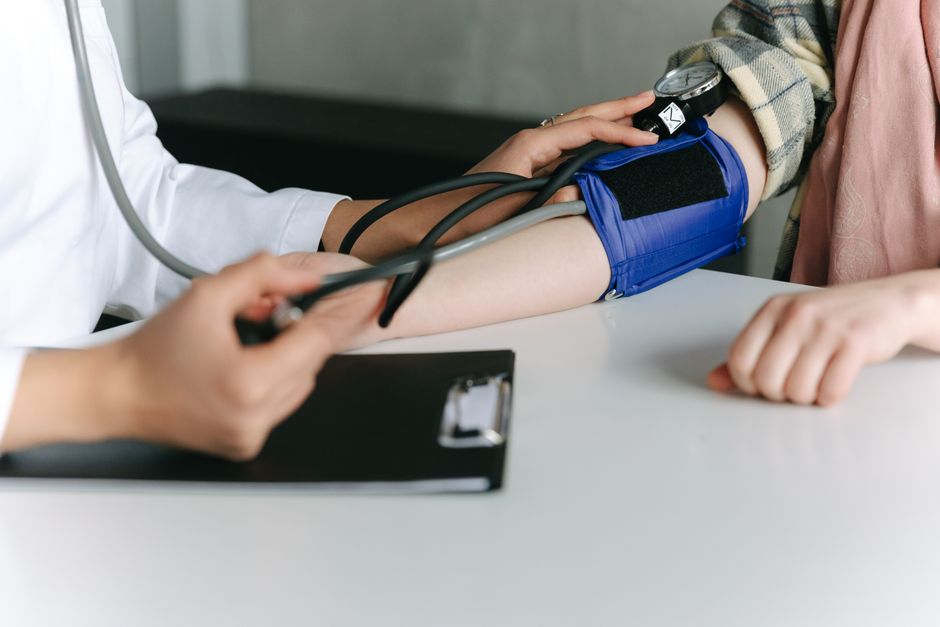
High blood pressure, also called hypertension, is when the force of blood against your artery walls stays too high. It is measured with two numbers: systolic pressure (the top number, when the heart beats) and diastolic pressure (the bottom number, when the heart rests between beats). Normal blood pressure is below 120/80 mmHg. High blood pressure is diagnosed when readings consistently reach 130/80 mmHg or higher. It rarely causes symptoms, but it damages blood vessels, the heart, kidneys, and brain over time, which is why it is often called the “silent killer.”
What Are the Stages of High Blood Pressure?
Doctors use specific numbers to sort blood pressure into stages. These stages help guide treatment decisions. The categories come from the American College of Cardiology and the American Heart Association guidelines, which are the standard used in the United States.
- Normal: Less than 120/80 mmHg
- Elevated: Systolic 120–129 mmHg and diastolic less than 80 mmHg
- Stage 1 Hypertension: Systolic 130–139 mmHg or diastolic 80–89 mmHg
- Stage 2 Hypertension: Systolic 140 mmHg or higher, or diastolic 90 mmHg or higher
- Hypertensive Crisis: Systolic over 180 mmHg and/or diastolic over 120 mmHg
A hypertensive crisis is a medical emergency. If your home monitor shows these numbers, wait five minutes and check again. If the reading stays that high, contact emergency services immediately, especially if you have chest pain, shortness of breath, back pain, numbness, or vision changes.
One elevated reading does not mean you have hypertension. Blood pressure fluctuates naturally with stress, exercise, caffeine, and even the time of day. A diagnosis usually requires multiple elevated readings on separate occasions, measured in a clinical setting or with a validated home monitor.
What Causes High Blood Pressure?
There are two main categories of hypertension: primary and secondary. Primary hypertension, also called essential hypertension, develops gradually over many years with no single identifiable cause. It accounts for about 90 percent of all cases. Genetics, age, and lifestyle factors all contribute. This is the most common form in adults over 40.
Secondary hypertension appears suddenly and is caused by an underlying condition. It often produces higher blood pressure than primary hypertension. Common causes include kidney disease, thyroid disorders, sleep apnea, adrenal gland tumors, and certain medications. Birth control pills, decongestants, pain relievers, and some antidepressants can raise blood pressure. Illegal drugs like cocaine and methamphetamine do too.
Lifestyle factors play a major role in primary hypertension. A diet high in sodium, low in potassium, and heavy in processed foods raises risk. Lack of physical activity, carrying excess weight especially around the abdomen, drinking more than moderate amounts of alcohol, and chronic stress all push blood pressure upward. Smoking causes an immediate spike in blood pressure and damages artery walls over time.
What Are the Risk Factors for High Blood Pressure?
Some risk factors cannot be changed. Age is the strongest one. Blood pressure tends to rise as arteries naturally stiffen with age. Men are more likely to develop hypertension before age 55, while women catch up after menopause. Family history matters significantly — if a parent or sibling has hypertension, your risk is higher.
Race also plays a role. Black adults develop hypertension earlier and more severely than other groups in the United States. They also have higher rates of complications like stroke and kidney failure. The reasons are complex and involve genetics, diet, stress, and access to healthcare.
Other risk factors are modifiable. Obesity is one of the most significant. Each kilogram of excess body weight can raise blood pressure by about 1 mmHg. Excess sodium intake is another major driver. Most Americans consume far more than the recommended limit of 2,300 milligrams per day. Potassium deficiency is common too — potassium helps balance sodium and relaxes blood vessel walls.
Sleep apnea deserves special attention. This condition causes repeated pauses in breathing during sleep, which stresses the cardiovascular system. Treating sleep apnea with a CPAP machine often improves blood pressure control. If you snore heavily and feel exhausted during the day, it is worth discussing with your doctor.
Why Does High Blood Pressure Damage the Body?
The damage happens through mechanical force. Blood flows through arteries under pressure. When that pressure stays high, it injures the delicate inner lining of artery walls — the endothelium. The body responds to this injury by depositing cholesterol, inflammatory cells, and scar tissue, forming plaques. This process is called atherosclerosis.
Atherosclerosis narrows arteries and makes them stiffer. The heart must pump harder to push blood through these narrowed vessels. Over time, the heart muscle thickens like any muscle that works overtime. A thickened heart muscle is less efficient and requires more oxygen. This can lead to heart failure, where the heart cannot pump enough blood to meet the body’s needs.
The kidneys are especially vulnerable. They filter blood through millions of tiny blood vessels. High pressure damages these delicate filters, reducing kidney function. Kidney damage then makes blood pressure worse, creating a dangerous cycle. High blood pressure is the second leading cause of kidney failure in the United States.
The brain suffers too. High pressure weakens artery walls in the brain, increasing the risk of hemorrhagic stroke — bleeding in the brain. It also accelerates plaque buildup in the carotid arteries, raising the risk of ischemic stroke, where a clot blocks blood flow. Chronic hypertension is linked to cognitive decline and vascular dementia because it reduces blood flow to brain tissue over decades.
How Do You Know If You Have High Blood Pressure?
You cannot feel it. Most people with hypertension have no symptoms at all, even at dangerously high levels. The only reliable way to know is to measure it. That is why routine screening matters so much.
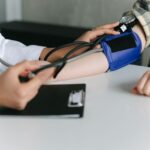
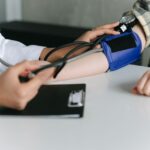
Home monitoring is useful, but technique matters. Sit quietly for five minutes before measuring. Keep your feet flat on the floor and your arm supported at heart level. Do not drink caffeine or exercise within 30 minutes of measuring. Take two readings one minute apart and record both. Use a validated upper-arm cuff monitor, not a wrist or finger device.
A single high reading at home is not a diagnosis. But if your average home readings run high over a week, contact your doctor. White coat hypertension — high readings only in a medical setting — affects about one in five people. Masked hypertension is the opposite: normal readings in the clinic but high readings at home. This is why home monitoring and ambulatory monitoring are valuable tools.
How Is High Blood Pressure Treated?
Treatment starts with lifestyle changes. The DASH diet — Dietary Approaches to Stop Hypertension — is the most studied eating pattern for lowering blood pressure. It emphasizes vegetables, fruits, whole grains, lean protein, and low-fat dairy while limiting sodium, red meat, and added sugars. Research consistently shows this approach lowers systolic blood pressure by several points within weeks.
Reducing sodium is critical. Most dietary sodium comes from processed and restaurant foods, not the salt shaker. Reading labels and cooking at home are the most effective strategies. Increasing potassium through food — not supplements — also helps. Good sources include bananas, potatoes, spinach, beans, and yogurt.
Physical activity is powerful. Aerobic exercise, resistance training, or a combination of both lowers blood pressure by roughly 5 to 8 mmHg. The effect lasts about 24 hours after each session, so consistency matters more than intensity. Aim for at least 150 minutes of moderate activity per week, but any amount is better than none.
Medication becomes necessary when lifestyle changes are not enough or when blood pressure starts at a high stage. Several classes of drugs work in different ways. ACE inhibitors and ARBs relax blood vessels. Calcium channel blockers also relax vessels. Diuretics remove excess sodium and fluid. Beta-blockers slow the heart rate. Most people need two or more medications to reach their target. Finding the right combination takes time and requires honest communication with your doctor about side effects.
When Should You Worry About High Blood Pressure?
Worry when readings stay at 180/120 mmHg or higher and do not come down after a few minutes of rest. That is a hypertensive crisis. Go to an emergency room. Do not wait for symptoms to appear.
Worry when you have high blood pressure plus other risk factors — diabetes, high cholesterol, smoking, or a family history of early heart disease. The combination multiplies your risk of heart attack and stroke. Your doctor may recommend starting medication at lower blood pressure thresholds if you have these conditions.
Worry when blood pressure becomes harder to control over time. If you need increasing doses or more medications to maintain control, that signals worsening vascular health. It warrants a thorough evaluation for secondary causes like kidney artery narrowing or hormonal disorders.
Most people with hypertension live long, full lives with proper management. The key is treating it as a chronic condition that needs regular attention, not a problem to solve once and forget. Annual checkups, home monitoring, medication adherence, and honest lifestyle assessment make the difference between a manageable condition and a life-threatening one.
Frequently Asked Questions
What is a dangerous blood pressure level?
A reading of 180/120 mmHg or higher is a hypertensive crisis and requires immediate medical attention. If you have chest pain, shortness of breath, or vision changes with this reading, call 911.
Can high blood pressure be reversed without medication?
Some people with Stage 1 hypertension can lower their blood pressure to normal range through weight loss, reduced sodium intake, regular exercise, and limiting alcohol. People with Stage 2 hypertension or those with additional health risks typically need medication alongside lifestyle changes.
How often should I check my blood pressure at home?
Once your doctor confirms a diagnosis and your treatment is stable, checking two to three times per week is reasonable. If you are adjusting medication or making major lifestyle changes, check daily at the same times each day for better comparison.
Does stress cause high blood pressure?
Stress causes temporary spikes in blood pressure, but it is not proven to cause chronic hypertension on its own. However, stress often leads to behaviors that raise blood pressure — poor eating, alcohol use, inactivity, and poor sleep — which do contribute to long-term hypertension.
