
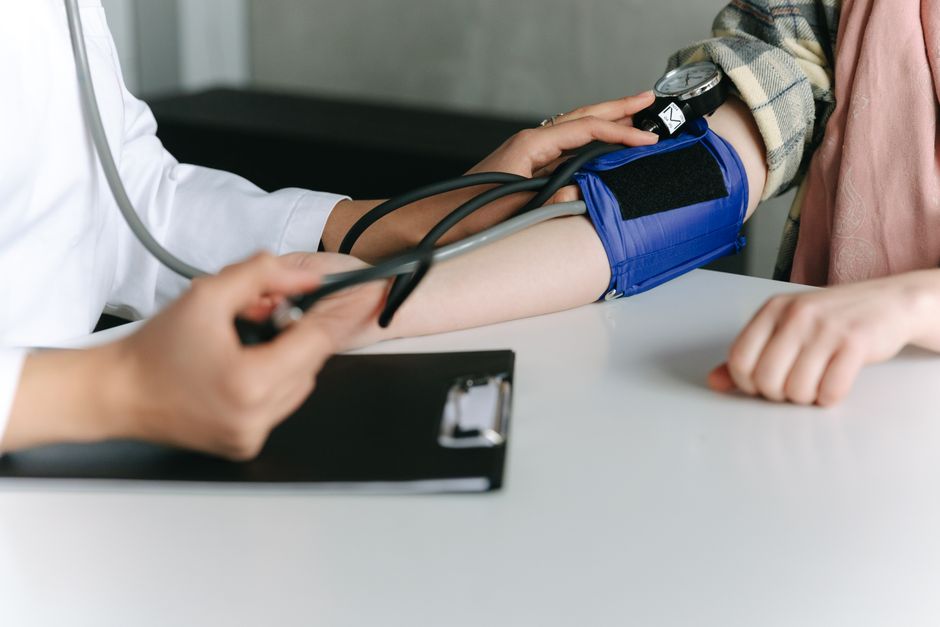
High blood pressure, also called hypertension, usually has no single cause. For most adults, it develops slowly over many years as a combination of genetics, age, and lifestyle choices. The condition is often called the “silent killer” because it typically produces no symptoms while it quietly damages your blood vessels, heart, and kidneys.
What Happens Inside Your Body When Blood Pressure Rises
Blood pressure is the force of blood pushing against the walls of your arteries. Every time your heart beats, it pumps blood through these vessels. The pressure inside them changes with each beat.
Two numbers measure this force. Systolic pressure is the force when your heart contracts. Diastolic pressure is the force when your heart rests between beats. A normal reading is below 120/80 mmHg.
When blood pressure stays high, the artery walls take constant damage. Over time, this damage leads to thickening and stiffening of the arteries. The heart must work harder to pump blood through these less flexible vessels. This extra workload can enlarge the heart muscle and weaken it over time.
High blood pressure also forces the kidneys to filter under increased pressure. This can damage the tiny blood vessels inside the kidneys, reducing their ability to remove waste from your blood.
Why Do You Have High Blood Pressure Causes Explained
For roughly 90% of people with high blood pressure, no single identifiable cause exists. Doctors call this primary or essential hypertension. It develops gradually, usually over many years, from a combination of factors.
The remaining 10% have secondary hypertension. This means an underlying medical condition directly causes the high blood pressure. Treating that condition often resolves the blood pressure problem.
Primary hypertension has several well-established contributing factors. Age plays a major role because arteries naturally become less elastic over time. Genetics matter significantly — if your parents had high blood pressure, your risk is higher. Lifestyle factors including diet, physical activity, and stress levels all influence your numbers.
How Lifestyle Choices Directly Affect Your Blood Pressure
Your daily habits have measurable effects on your blood pressure. These are not vague suggestions — they are physiological responses your body has to what you eat, drink, and do.
Dietary sodium is one of the most direct influences. When you consume excess salt, your body retains water to dilute it. More fluid in your bloodstream means higher pressure against artery walls. Most Americans consume well above the recommended limit of 2,300 mg per day, and many exceed 3,400 mg.
Potassium works opposite to sodium. It helps your kidneys excrete excess sodium and relaxes blood vessel walls. Low potassium intake, common in diets heavy in processed foods, removes this protective effect.
Weight matters because every pound of fat requires blood vessels to supply it with oxygen and nutrients. More body mass means more blood vessels and higher overall blood volume. The heart must pump harder to move blood through this larger network.
Alcohol raises blood pressure directly. Even moderate drinking can elevate readings. Heavy drinking — more than three drinks in one sitting — causes a temporary spike that can last for hours.
Physical inactivity contributes because regular exercise keeps arteries flexible. When you are sedentary, your vascular system becomes stiffer, and your resting heart rate tends to be higher.



Medical Conditions That Cause Secondary Hypertension
Some health conditions directly raise blood pressure. If you have one of these, treating the underlying condition is the primary approach to managing your pressure.
- Kidney disease — damaged kidneys cannot properly regulate fluid and sodium, leading to increased blood volume and pressure.
- Sleep apnea — repeated pauses in breathing during sleep trigger stress hormones that spike blood pressure, especially at night.
- Thyroid disorders — an overactive thyroid increases heart rate and cardiac output, raising pressure.
- Adrenal gland tumors — these rare tumors can cause excess production of hormones that raise blood pressure.
- Narrowed arteries — conditions like renal artery stenosis reduce blood flow to the kidneys, triggering hormones that raise pressure throughout the body.
Certain medications also cause blood pressure to rise. NSAID pain relievers like ibuprofen and naproxen can elevate readings. Decongestants, some antidepressants, birth control pills, and corticosteroids all have documented blood pressure effects. If you take any of these regularly, discuss your blood pressure with your doctor.
What Your Blood Pressure Numbers Actually Mean
| Category | Systolic (mmHg) | Diastolic (mmHg) |
|---|---|---|
| Normal | Less than 120 | Less than 80 |
| Elevated | 120–129 | Less than 80 |
| Stage 1 hypertension | 130–139 | 80–89 |
| Stage 2 hypertension | 140 or higher | 90 or higher |
| Hypertensive crisis | Higher than 180 | Higher than 120 |
One high reading does not mean you have hypertension. Blood pressure fluctuates throughout the day based on activity, stress, caffeine, and even the time of day. A diagnosis typically requires elevated readings on at least two separate occasions.
Readings above 180/120 require immediate medical attention, especially if accompanied by chest pain, shortness of breath, vision changes, or difficulty speaking.
How Age and Genetics Shape Your Risk
Blood pressure naturally rises with age. Arteries lose elasticity as you get older, and the aorta becomes stiffer. This is a normal biological process, not a disease in itself. But it explains why hypertension becomes more common after age 50.
Genetics account for about 30–50% of blood pressure variation between individuals. Researchers have identified many gene variants associated with hypertension, each contributing a small effect. If both parents have high blood pressure, your lifetime risk is substantially higher than someone without that family history.
Race also matters. Black adults in the United States develop hypertension earlier in life and at higher rates than other groups. They also experience more severe complications. The reasons are complex, involving genetics, diet, stress from discrimination, and differences in how the body processes sodium.
When to Take Action About Your Blood Pressure
You cannot feel high blood pressure. The only way to know your numbers is to measure them. Adults should have their blood pressure checked at least once every two years if it is normal, and more often if it is elevated or you have risk factors.
Home monitoring can be useful. A validated automatic cuff is affordable and easy to use. For the most accurate reading, sit quietly for five minutes, keep your feet flat on the floor, and place the cuff on a bare arm at heart level. Take readings at the same time each day and bring your log to doctor visits.
If your readings consistently fall in the elevated range, lifestyle changes can often bring them down. Reducing sodium, increasing potassium, losing excess weight, and adding regular physical activity all have documented blood pressure-lowering effects. Some people can normalize their pressure without medication. Others need medication regardless of lifestyle because their genetics or underlying conditions override these changes.
Untreated hypertension causes real damage. It is a leading contributor to heart attack, stroke, heart failure, kidney failure, and vision loss. These complications develop over years, which means early detection gives you the best chance to prevent them.
Frequently Asked Questions
Can stress cause high blood pressure?
Stress causes temporary spikes in blood pressure, but it is not proven to cause permanent hypertension on its own. Chronic stress may contribute indirectly through poor sleep, unhealthy eating, and reduced physical activity.
Is high blood pressure hereditary?
Yes, genetics play a major role. If your parents or siblings have hypertension, your risk is significantly higher, though lifestyle still matters.
Can you have high blood pressure without symptoms?
Yes, most people with high blood pressure have no symptoms at all. This is why regular screening is important — damage occurs silently over years.
Does drinking water lower blood pressure?
Proper hydration supports normal blood pressure, but drinking extra water does not directly lower high readings. Dehydration can cause low blood pressure, while rehydration restores normal levels but does not treat hypertension.
