
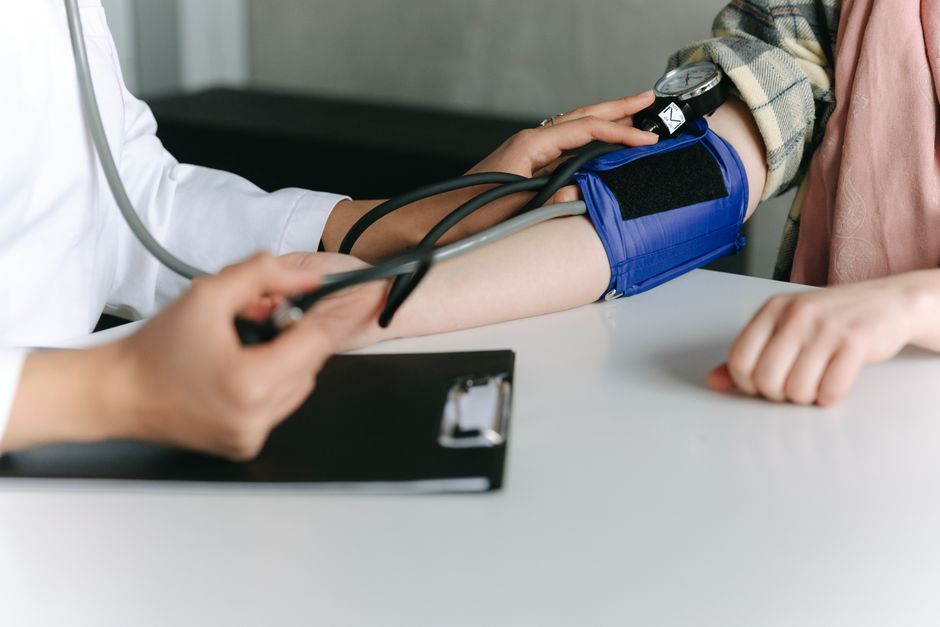
A blood pressure reading of 136/85 mmHg falls into the elevated range, specifically Stage 1 hypertension under current clinical guidelines. The top number (systolic) is above the normal threshold, while the bottom number (diastolic) is also slightly elevated. This reading indicates increased pressure on your artery walls, and it signals a need for attention, though it is not a medical emergency.
What Do the Numbers 136 and 85 Actually Mean?
Blood pressure is measured in millimeters of mercury (mmHg) and recorded as two numbers. The first number, 136, is your systolic pressure. This measures the force of blood against your artery walls when your heart beats and pumps blood out. The second number, 85, is your diastolic pressure. This measures the pressure in your arteries when your heart rests between beats.
Both numbers matter, but the systolic number tends to get more attention after age 50 because it is a stronger predictor of heart disease and stroke risk in older adults. A reading of 136/85 means both values are above the optimal range, which is generally considered to be below 120/80 mmHg.
The classification system for blood pressure has changed over the years. Older guidelines considered 140/90 as the starting point for hypertension. Current guidelines, however, are stricter. They recognize that cardiovascular risk begins to rise at lower numbers than previously thought.
Is 136 85 High Blood Pressure Risks And What To Do?
Yes, 136/85 is considered high blood pressure under current clinical standards. It falls into Stage 1 hypertension, which is defined as a systolic reading between 130-139 mmHg or a diastolic reading between 80-89 mmHg. A single reading does not confirm a diagnosis, however. Your blood pressure naturally fluctuates throughout the day based on activity, stress, caffeine intake, and even the time of day.
To confirm that 136/85 is your true resting blood pressure, your doctor will typically want multiple readings taken on separate occasions. Sometimes they will recommend home monitoring or a 24-hour ambulatory blood pressure monitor that takes readings automatically throughout the day and night.
The primary risk of sustained Stage 1 hypertension is damage to your blood vessels and organs over time. The added pressure forces your heart to work harder to pump blood. This can lead to thickening of the heart muscle, hardening of the arteries, and increased strain on your kidneys and brain. Over years, this increases your risk of heart attack, stroke, kidney disease, and vision loss.
What Are the Real Risks of Sustained 136/85 Blood Pressure?
The risks from a reading of 136/85 develop gradually, not suddenly. This level of blood pressure is not going to cause an immediate crisis. The danger comes from the cumulative effect over months and years if the pressure remains elevated.
Research consistently shows that each 20 mmHg increase in systolic blood pressure or 10 mmHg increase in diastolic blood pressure doubles your risk of death from heart disease or stroke. This relationship is continuous. There is no safe threshold below which risk disappears entirely.
Sustained Stage 1 hypertension can also contribute to the development of left ventricular hypertrophy, a condition where the heart muscle thickens because it has to work harder. This condition increases the risk of heart failure and abnormal heart rhythms. Additionally, elevated blood pressure damages the delicate filtering units in your kidneys, which can progress to chronic kidney disease over time.
It is important to note that the absolute risk for any given individual is influenced by other factors. Your age, whether you smoke, your cholesterol levels, whether you have diabetes, and your family history all combine with your blood pressure to determine your overall cardiovascular risk. Someone who is 40 with no other risk factors has a different risk profile than a 65-year-old smoker with the same blood pressure reading.
What Steps Should You Take After a 136/85 Reading?
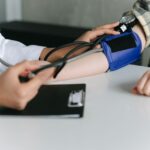
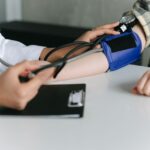
The first step is not panic. The first step is confirmation. Take your blood pressure again after a few days. Measure it at the same time each day, preferably in the morning before eating or taking any medications. Sit quietly for five minutes before measuring, keep your feet flat on the floor, and support your arm at heart level.
If your readings remain in the 130s/80s range, schedule an appointment with your healthcare provider. They will assess your overall cardiovascular risk and decide whether lifestyle changes alone are appropriate or whether medication is warranted.
For most people with Stage 1 hypertension who do not have other cardiovascular risk factors, lifestyle modification is the first-line approach. This is not a soft recommendation. The evidence for lifestyle changes lowering blood pressure is robust and well established.
Specific lifestyle changes with proven effectiveness include:
- Reducing sodium intake to under 2,300 mg per day, with an ideal target of 1,500 mg for most adults with elevated blood pressure
- Following the DASH diet, which emphasizes fruits, vegetables, whole grains, and low-fat dairy while limiting saturated fat and cholesterol
- Engaging in moderate aerobic exercise for at least 150 minutes per week
- Limiting alcohol consumption to no more than two drinks per day for men and one per day for women
- Maintaining a healthy body weight, with weight loss of even 5-10 pounds showing measurable blood pressure reduction
These changes are not quick fixes. They take weeks to months to show their full effect. But the combination of these approaches can lower systolic blood pressure by 10-20 mmHg in many people, which could bring a reading of 136/85 back into a normal range.
When Is Medication Necessary for Stage 1 Hypertension?
Medication is not automatically prescribed for every person with a 136/85 reading. Current clinical guidance recommends that doctors consider medication for Stage 1 hypertension when a person also has established cardiovascular disease, diabetes, chronic kidney disease, or a high overall risk score for heart attack or stroke.
For people with Stage 1 hypertension and no other major risk factors, lifestyle modification is typically tried first for a period of three to six months. If blood pressure does not come down to below 130/80 with lifestyle changes alone, medication may then be added.
This is a decision you and your doctor make together. Several classes of blood pressure medications exist, including ACE inhibitors, angiotensin receptor blockers, calcium channel blockers, and thiazide diuretics. Each works through a different mechanism, and the choice depends on your age, race, other medical conditions, and potential side effects.
If medication is prescribed, it is important to understand that hypertension is a chronic condition. Most people do not outgrow it. Stopping medication without medical supervision can cause blood pressure to rebound sharply, which in itself carries risk.
How Often Should You Check Your Blood Pressure?
If you have had a reading of 136/85, you should monitor your blood pressure more frequently than someone with normal readings. Home monitoring is valuable because it provides many more data points than occasional office visits. It also helps identify white coat hypertension, where blood pressure rises in a medical setting due to anxiety.
For people with confirmed Stage 1 hypertension, checking blood pressure two to three times per week is reasonable while you are making lifestyle changes. Once your blood pressure is well controlled, checking once or twice per month is sufficient for maintenance. Always record your readings in a log and bring them to your medical appointments. This gives your doctor a much clearer picture than a single office reading.
Be aware that home monitors vary in accuracy. Use a validated device with an upper arm cuff, not a wrist or finger monitor. Check the cuff size — the bladder inside the cuff should wrap around 80% of your upper arm circumference. An incorrectly sized cuff can produce readings that are falsely high or falsely low.
Can 136/85 Blood Pressure Be Reversed?
For many people, yes. If your blood pressure has only recently entered the Stage 1 range and you have no underlying organ damage, lifestyle changes can often bring it back to normal. The key is consistency. Blood pressure responds to sustained behavioral change, not to occasional effort.
Weight loss is one of the most powerful interventions. Excess body fat, particularly around the abdomen, increases blood pressure through several mechanisms including increased inflammation and activation of the sympathetic nervous system. Losing weight lowers blood pressure in a dose-dependent manner — the more you lose, the more your blood pressure drops.
Dietary change is equally powerful. The DASH diet has been studied extensively and consistently shows significant blood pressure reduction, often within two weeks of starting. Reducing sodium while increasing potassium intake is particularly effective, as these two minerals have opposing effects on blood pressure regulation.
If you do not see improvement after several months of consistent lifestyle changes, do not interpret this as personal failure. Some people have a strong genetic predisposition to hypertension that requires medication regardless of lifestyle. This is not a moral issue. It is a medical reality that affects roughly half of all people with hypertension.
Frequently Asked Questions
Is 136/85 blood pressure dangerous?
It is not immediately dangerous, but it is above the normal range and indicates Stage 1 hypertension. Sustained elevation at this level increases your long-term risk of heart attack, stroke, and kidney damage.
What is the best way to lower blood pressure from 136/85?
Reduce sodium intake, follow the DASH diet, exercise regularly, and lose weight if you are overweight. These lifestyle changes are proven to lower blood pressure and can bring a 136/85 reading back to normal in many people.
Do I need medication for 136/85 blood pressure?
Not necessarily. Your doctor will consider medication if you have diabetes, kidney disease, heart disease, or a high overall cardiovascular risk score. Otherwise, lifestyle changes are typically tried first for three to six months.
How long does it take for lifestyle changes to lower blood pressure?
Some changes, like reducing sodium, can show effects within weeks. Full benefits from weight loss and exercise typically take two to three months of consistent effort.
