
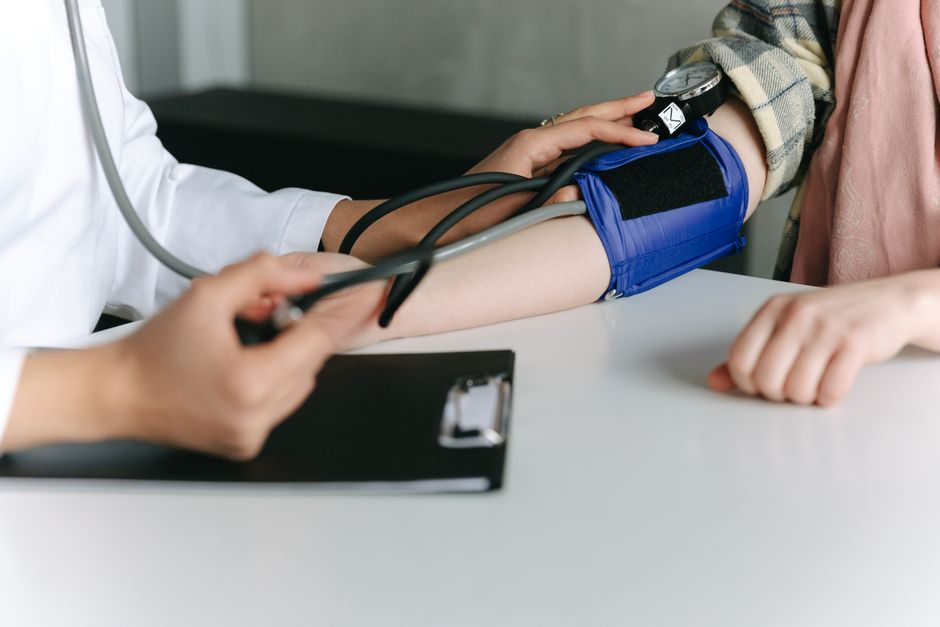
Blood pressure readings tell you how hard your blood pushes against your artery walls. A normal reading is below 120/80 mmHg. The number becomes too high when it reaches 130/80 mmHg or above, which doctors call hypertension. Readings of 180/120 mmHg or higher are a medical emergency and require immediate care, especially if you also have chest pain, shortness of breath, or vision changes.
What Do the Two Numbers in a Blood Pressure Reading Mean?
The top number is your systolic pressure. It measures the force in your arteries when your heart beats and pushes blood out. The bottom number is your diastolic pressure. It measures the force between beats, when your heart rests and refills with blood.
Both numbers matter. A reading of 150/90 mmHg is high because both numbers exceed normal. A reading of 125/90 mmHg is also high because the diastolic number is elevated. Doctors look at both numbers to classify your blood pressure stage.
How High Is Too High For Blood Pressure — The Official Stages
Medical guidelines divide blood pressure into clear categories. These categories help doctors decide when to recommend lifestyle changes and when to prescribe medication.
- Normal: Less than 120/80 mmHg
- Elevated: 120-129 systolic with diastolic below 80
- Stage 1 Hypertension: 130-139 systolic or 80-89 diastolic
- Stage 2 Hypertension: 140/90 mmHg or higher
- Hypertensive Crisis: 180/120 mmHg or higher
These categories come from guidelines developed by the American College of Cardiology and the American Heart Association. The 130/80 threshold for stage 1 hypertension was updated in 2017. Before that, doctors used 140/90 as the starting point for diagnosis.
When Is High Blood Pressure an Emergency?
A reading of 180/120 mmHg or higher is a hypertensive crisis. This is not a number to wait out or recheck at home. You need emergency medical care immediately.
Seek emergency care right away if your blood pressure is 180/120 or higher and you have any of these symptoms:
- Chest pain
- Shortness of breath
- Severe headache
- Vision changes
- Numbness or weakness on one side of your body
- Difficulty speaking
- Back pain
These symptoms can signal damage to your heart, brain, eyes, or kidneys. Hypertensive emergency can cause stroke, heart attack, or organ failure if left untreated.
If your reading is 180/120 or higher but you feel completely fine, wait five minutes and recheck. If the reading stays that high, you still need medical attention. Do not drive yourself to the hospital. Call for help.

Why High Blood Pressure Damages Your Body
Sustained high blood pressure forces your heart to work harder than it should. The extra pressure damages the delicate lining of your arteries over time. This damage creates small tears where cholesterol and plaque can build up.
Plaque narrows your arteries and makes them stiffer. Narrower arteries mean your heart must pump harder to push blood through. This cycle continues until the heart muscle thickens and weakens, a condition called heart failure.
High blood pressure also damages small blood vessels in your kidneys, eyes, and brain. Damaged kidney vessels cannot filter waste effectively. Damaged eye vessels can leak or bleed, causing vision loss. Damaged brain vessels increase your risk of stroke and cognitive decline.
This damage happens silently. Most people with high blood pressure have no symptoms at all. That is why the condition is called the silent killer. You can have hypertension for years without knowing it while your organs sustain progressive damage.
How Often Should You Check Your Blood Pressure?
Adults with normal blood pressure should have it checked at least once every two years during routine healthcare visits. If you have elevated blood pressure or other risk factors such as diabetes, obesity, or a family history of hypertension, check it more often.
Your doctor may recommend home monitoring if you have high readings in the office. Home monitoring gives a more complete picture of your blood pressure throughout the day. It also helps rule out white coat hypertension, where your blood pressure spikes just because you are in a medical setting.
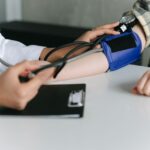
When measuring at home, sit quietly for five minutes first. Place the cuff on your bare arm at heart level. Do not drink caffeine or smoke for 30 minutes before measuring. Take two readings one minute apart and record both.
What Lifestyle Changes Actually Lower Blood Pressure
Lifestyle changes are the first line of treatment for stage 1 hypertension. For many people, these changes can bring blood pressure back to normal without medication.
Reduce sodium. The average American consumes far more sodium than recommended. Most of it comes from processed and restaurant foods, not the salt shaker. Cutting sodium to about 1,500-2,300 mg per day can lower systolic pressure by several points.
Increase potassium. Potassium helps your kidneys excrete sodium and relaxes blood vessel walls. Good sources include bananas, potatoes, spinach, beans, and yogurt. People with kidney disease should talk to their doctor before increasing potassium intake.
Exercise regularly. Aerobic exercise such as brisk walking, cycling, or swimming for 150 minutes per week can lower blood pressure by 5-8 mmHg. The effect appears within weeks of starting a consistent routine.
Limit alcohol. Heavy drinking raises blood pressure. Moderate drinking, defined as up to one drink per day for women and two for men, has a smaller effect. Reducing alcohol intake can help lower readings.
Manage stress. Chronic stress keeps blood pressure elevated through hormones like cortisol and adrenaline. Deep breathing, meditation, and adequate sleep help your nervous system settle.
When Do Doctors Prescribe Medication?
Medication is typically recommended when blood pressure reaches 130/80 mmHg or higher in people with existing cardiovascular disease, diabetes, kidney disease, or a high overall risk score for heart disease.
For people without those risk factors, doctors often try lifestyle changes first for stage 1 hypertension. If blood pressure stays elevated after three to six months of lifestyle changes, medication is usually added.
People with stage 2 hypertension, meaning 140/90 mmHg or higher, typically start medication right away alongside lifestyle changes. The goal is to bring blood pressure below 130/80 mmHg in most adults.
Several classes of blood pressure medications exist. Diuretics remove excess fluid from your body. ACE inhibitors and ARBs relax blood vessels. Beta-blockers slow your heart rate. Calcium channel blockers relax artery walls. Your doctor selects the medication based on your age, other health conditions, and how your body responds.
Can You Lower Blood Pressure Without Medication?
Yes, if your blood pressure is mildly elevated. Research consistently shows that weight loss, sodium reduction, exercise, and the DASH diet can lower blood pressure meaningfully.
The DASH diet, which stands for Dietary Approaches to Stop Hypertension, emphasizes fruits, vegetables, whole grains, lean protein, and low-fat dairy. It limits saturated fat, added sugar, and sodium. Studies have found the DASH diet can lower systolic blood pressure by 8-14 mmHg in people with hypertension.
Weight loss has a direct effect. Every kilogram of weight lost, about 2.2 pounds, can lower blood pressure by roughly 1 mmHg. Losing 10-15 pounds can move someone from stage 1 hypertension back into the normal range.
These changes work best together. Sodium reduction alone helps. Adding exercise and weight loss multiplies the benefit. Consistency matters more than perfection. A modest but sustained change produces better results than an aggressive plan you abandon after two weeks.
What If Your Blood Pressure Stays High Despite Treatment?
Some people have resistant hypertension, meaning blood pressure stays above goal even with three medications including a diuretic. This affects roughly 10-20% of people with hypertension.
Resistant hypertension has several possible causes. Some people do not take their medications as prescribed. Others have secondary hypertension caused by an underlying condition such as kidney disease, thyroid problems, sleep apnea, or narrowing of the aorta. Certain medications, including NSAID pain relievers, decongestants, and some birth control pills, can also raise blood pressure.
If your blood pressure remains high despite treatment, your doctor will look for secondary causes. This may involve blood tests, urine tests, or imaging of your kidneys and adrenal glands. Treating the underlying cause often brings blood pressure under control.
Frequently Asked Questions
What blood pressure reading requires emergency care?
A reading of 180/120 mmHg or higher requires emergency care, especially with symptoms like chest pain, shortness of breath, or vision changes. If the reading stays that high after five minutes of rest, seek medical help immediately.
Is 150/90 blood pressure dangerous?
Yes, 150/90 mmHg is stage 2 hypertension and requires treatment. The elevated pressure damages your arteries, heart, kidneys, and brain over time if left untreated.
Can high blood pressure cause symptoms?
Most people with high blood pressure have no symptoms at all. Symptoms like headaches, nosebleeds, or dizziness typically only appear when blood pressure reaches dangerously high levels.
How quickly can lifestyle changes lower blood pressure?
Exercise and dietary changes can lower blood pressure within weeks. Sodium reduction shows effects within days, while weight loss and consistent exercise produce measurable improvements over several weeks to months.
