
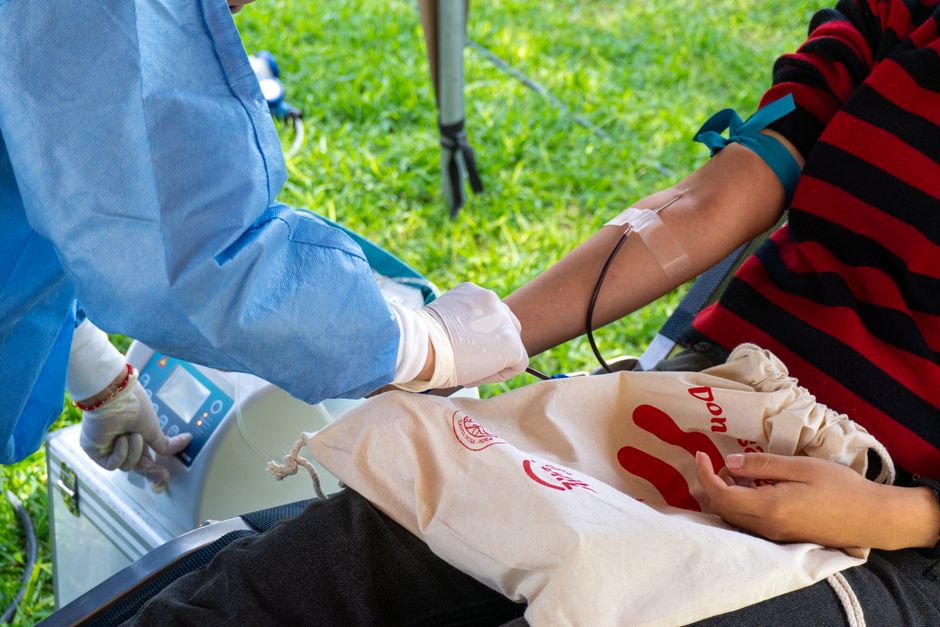
Yes, you can donate blood with high blood pressure in most cases. Blood donation centers generally allow donation if your blood pressure is under 180/100 mmHg on the day of donation. This is a common question, and the answer is reassuring for most people. However, there are important details about medications, readings, and overall health that you should understand before you go.
What Blood Pressure Reading Is Too High to Donate?
Blood pressure limits for donation are based on safety guidelines, not on the quality of your blood. The standard cutoff used by most U.S. blood centers is 180/100 mmHg. If your systolic pressure (the top number) is 180 or higher, or your diastolic pressure (the bottom number) is 100 or higher, you will be deferred. You will be asked to wait and try again another day.
This threshold exists to protect you, not the blood supply. Donating blood causes a temporary drop in blood volume. For most people with high blood pressure, this drop is harmless. But at very high readings, the stress of donation could increase your risk of fainting or other complications. The deferral is a precaution.
If your blood pressure is below 180/100, you are generally cleared to donate. This includes people with readings like 150/90 or 160/95. Many people are surprised to learn that their blood pressure does not need to be “normal” to donate. It only needs to be under the safety threshold.
Does Taking Blood Pressure Medication Affect Donation?
Taking blood pressure medication does not disqualify you from donating blood. In fact, well-controlled blood pressure on medication is exactly what blood centers want to see. The medications themselves do not contaminate the blood supply or pose a risk to recipients.
There are a few exceptions. Some blood pressure medications, like certain beta-blockers, can occasionally cause side effects that might make donation less comfortable. But these are not automatic disqualifiers. The staff at the donation center will review your medication list and make a determination based on their specific protocols.
One important point: do not skip your medication on donation day to get a lower reading. This is dangerous and unnecessary. Take your medications as prescribed. The reading the staff takes will reflect your real, medicated blood pressure. That is the reading that matters.
What Happens During the Blood Pressure Check?
Every donation begins with a brief health screening. A staff member will check your temperature, pulse, and blood pressure. They will also ask about your health history and any medications you take. This screening is standard for every donor, every time.
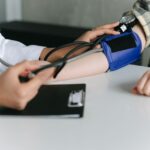
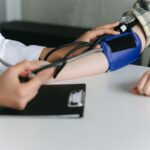
The blood pressure check is done with a standard arm cuff. It takes about a minute. If your reading is above the limit, the staff will often offer to recheck it after you rest for a few minutes. Sometimes a high reading is caused by anxiety or rushing to the appointment. A second reading after a short rest can be significantly lower.
If your reading remains above 180/100, you will be deferred. This is not a rejection. It is a safety measure. You can return to donate on another day when your blood pressure is better controlled. There is no waiting period required after a blood pressure deferral, unlike some other deferrals.
Why Does High Blood Pressure Not Automatically Disqualify Donors?
High blood pressure does not affect the quality or safety of your blood. The blood itself is not “thicker” or “different” because your arteries are under more pressure. The components in your blood — red cells, plasma, and platelets — are the same as anyone else’s.
Research consistently shows that blood from donors with high blood pressure is safe for transfusion. The concern is entirely about the donor’s well-being during the donation process. That is why the guidelines focus on the upper limit of blood pressure rather than the diagnosis itself.
Some people believe that donating blood can help lower their blood pressure. This is a misconception. Donating removes about a pint of blood, which causes a temporary drop in blood volume. This can briefly lower your blood pressure for a few hours. But it does not treat the underlying condition. Your blood pressure will return to its usual level once your body replaces the fluid, which takes about 24 hours.
Can Donating Blood Help with High Blood Pressure Long Term?
There is some research exploring whether regular blood donation might have long-term benefits for blood pressure. Some studies have shown that frequent donors tend to have lower blood pressure than non-donors. However, this does not prove that donation causes the reduction. People who donate regularly may simply be healthier overall.
One theory involves iron stores. Donating blood reduces iron in the body. Some research suggests that excess iron may contribute to blood vessel damage, which can raise blood pressure. By reducing iron levels, donation might theoretically reduce this damage. But this is an emerging area of study, not an established treatment.
No major medical organization recommends blood donation as a treatment for high blood pressure. Do not donate blood for this purpose. Donate because you want to help others, not because you are trying to treat a medical condition. Managing your blood pressure requires proper medical care, which may include medication, diet, exercise, and stress management.
What Should You Do Before Donating?
Preparation is simple. Eat a full meal before you go. Drink extra water in the hours leading up to your appointment. Avoid alcohol for at least 24 hours before donating. These steps help prevent dizziness and fainting during or after donation.
Bring your medication list with you. The staff will ask about everything you take, including over-the-counter drugs and supplements. Be honest about your health history. The screening is confidential and exists to keep you safe.
If you have high blood pressure, make sure it is being managed. This means taking your medications as prescribed and following your doctor’s advice. If you have not seen a doctor recently for your blood pressure, consider doing so. Donation day is not the time to discover that your blood pressure has been running dangerously high.
What If You Are Deferred?
Being deferred can feel disappointing, especially if you planned to donate. But it is not a judgment on your health or your character. It is a safety protocol designed to protect you. The staff is not saying your blood is bad. They are saying that donating today is not safe for you.
Use the deferral as a prompt to check in with your doctor. If your blood pressure is above 180/100, you should have it evaluated. Uncontrolled high blood pressure increases your risk for heart attack, stroke, and kidney damage. A deferral is a useful reminder to take your blood pressure seriously.
Once your blood pressure is under control, you can return to donate. There is no penalty and no waiting period. Many people successfully donate after an initial deferral. It just takes time to get their blood pressure into a safe range.
Frequently Asked Questions
Can I donate blood if I take blood pressure medication?
Yes, taking blood pressure medication does not disqualify you from donating. Your blood pressure just needs to be below 180/100 on the day of donation.
What blood pressure is too high to donate blood?
Blood pressure of 180/100 mmHg or higher will generally result in a deferral. Readings below this threshold are typically acceptable for donation.
How long do I have to wait to donate after a blood pressure deferral?
There is no required waiting period. You can return to donate as soon as your blood pressure is below 180/100, which may be the next day or whenever your blood pressure is better controlled.
Will donating blood lower my blood pressure permanently?
No. Donating causes only a temporary drop in blood volume and blood pressure that lasts about 24 hours. It does not treat high blood pressure long term.
Donating blood is a safe and generous act for most people with high blood pressure. The key is knowing your numbers and being honest with the screening staff. If your blood pressure is under 180/100, you are likely eligible. If it is higher, work with your doctor to get it under control, then come back. The need for blood donations is constant, and healthy donors with well-managed blood pressure are always welcome.
