
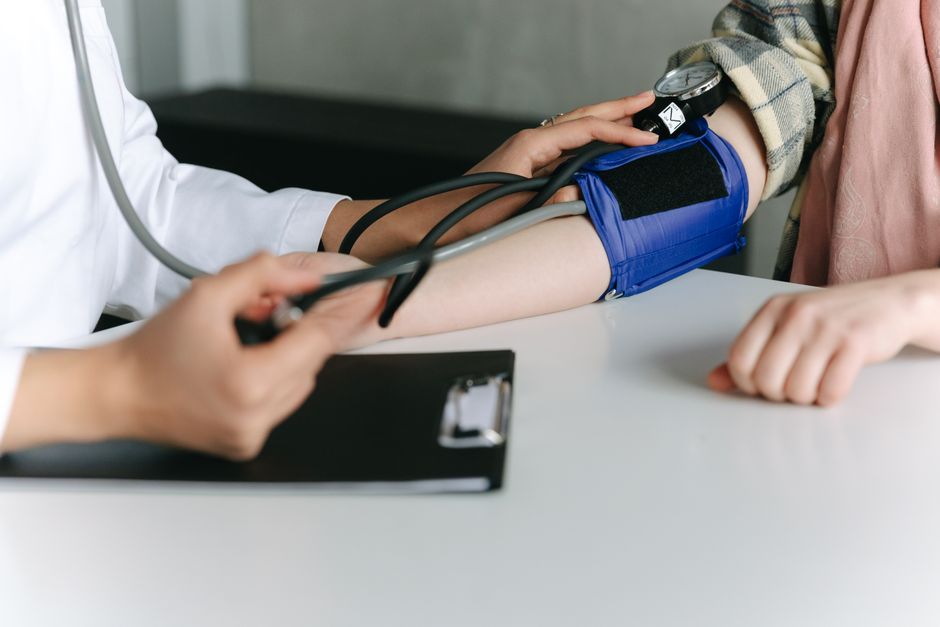
A sudden jump in blood pressure can feel alarming, especially when you feel fine otherwise. High blood pressure often has no symptoms, which is why a new high reading can be confusing. A single high reading does not mean you have chronic hypertension, but it does mean your body is under some form of stress that deserves attention. The most common causes include temporary stress, pain, caffeine, medication side effects, or an underlying condition that is just now surfacing. Understanding what is happening in your body is the first step to knowing whether you need to act quickly or simply monitor the situation.
What Counts as a Sudden High Reading?
Blood pressure is measured in millimeters of mercury (mmHg) and recorded as two numbers. The top number is systolic pressure, the force when your heart beats. The bottom number is diastolic pressure, the force when your heart rests between beats.
A normal reading is generally below 120/80 mmHg. Elevated blood pressure is 120-129 systolic with a diastolic under 80. Stage 1 hypertension starts at 130/80. Stage 2 hypertension is 140/90 or higher. A reading above 180/120 is a hypertensive crisis and requires immediate medical attention, especially if accompanied by chest pain, shortness of breath, back pain, numbness, or vision changes.
A sudden high reading is usually defined as a measurement that is significantly above your usual baseline. If your typical reading is 115/75 and you suddenly measure 150/95, that is a meaningful change. A single reading, however, does not diagnose hypertension. Blood pressure fluctuates naturally throughout the day, and a single stressful moment can temporarily raise it.
Why Is My Blood Pressure Suddenly High What To Know About Causes
Several common factors can cause a sudden spike in blood pressure. Identifying which one applies to you is the most useful step.
Acute stress and anxiety are the most common causes. When you feel threatened, your body releases adrenaline and cortisol. These hormones make your heart beat faster and narrow your blood vessels, which raises pressure. This is a normal survival response. It becomes a problem when stress is chronic or when anxiety about blood pressure itself creates a cycle of higher readings.
Pain is a powerful trigger. Any source of acute pain, from a headache to a kidney stone, can push blood pressure up significantly. The body’s pain response activates the same fight-or-flight system as stress.
Caffeine and stimulants can cause a temporary rise. Caffeine blocks adenosine, a chemical that promotes relaxation in blood vessels. The result is a mild constriction of vessels and a slight increase in pressure. For most people this effect is temporary and harmless, but it can produce a surprisingly high reading within 30 to 60 minutes of consumption.
Medications are a frequently overlooked cause. Decongestants like pseudoephedrine narrow blood vessels. Nonsteroidal anti-inflammatory drugs (NSAIDs) like ibuprofen and naproxen can raise blood pressure by causing fluid retention. Some antidepressants, birth control pills, and even certain herbal supplements have the same effect. If you recently started a new medication, review it with your pharmacist or doctor.
Dehydration can also raise blood pressure. When fluid volume drops, your body releases hormones that constrict blood vessels to maintain blood flow to vital organs. This is a compensatory mechanism, but it can produce an elevated reading.
White Coat Hypertension and Measurement Errors
White coat hypertension is a real and common phenomenon. Some people have consistently higher readings in a medical setting than at home. The anxiety of being examined, or even the anticipation of having your blood pressure taken, can raise readings by 10 to 20 mmHg or more. This does not mean the reading is fake. It means your blood pressure is reactive to stress, which is still relevant information for your doctor.
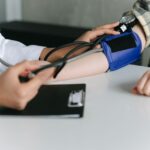
Measurement errors are also common. Blood pressure readings are sensitive to how they are taken. The cuff must be the right size. A cuff that is too small can add 10 to 40 mmHg to a reading. Your arm should be supported at heart level, your feet flat on the floor, and your back supported. You should sit quietly for at least five minutes before measuring. Talking during the measurement can raise the reading. So can having a full bladder or crossing your legs.
If you are measuring at home, use a validated upper-arm monitor, not a wrist or finger device. Take two or three readings one minute apart and record the average. Measure at the same time each day, usually in the morning before medication and in the evening before dinner.

When a Sudden Spike Signals a Medical Emergency
Most sudden high readings are temporary and benign. But some require immediate care. A reading of 180/120 or higher is considered a hypertensive crisis. If you have this reading and no symptoms, wait five minutes and recheck. If it remains high, contact your doctor or seek medical care.
If the high reading is accompanied by any of the following symptoms, call emergency services immediately:
- Chest pain or pressure
- Shortness of breath
- Severe headache, especially sudden and intense
- Vision changes or blurred vision
- Numbness or weakness on one side of the body
- Difficulty speaking
- Severe back pain, which can signal an aortic problem
These symptoms may indicate damage to the heart, brain, eyes, or kidneys. Do not wait to see if they pass. This is not a situation for home monitoring or natural remedies.
Underlying Conditions That Cause Sudden Hypertension
Sometimes a sudden rise in blood pressure is the first sign of an underlying medical condition. Secondary hypertension is high blood pressure caused by another disease. It tends to appear suddenly and often runs higher than primary hypertension.
Kidney disease is a leading cause. The kidneys regulate fluid balance and produce hormones that control blood vessel diameter. When kidney function declines, blood pressure often rises. Blood and urine tests can evaluate kidney health.
Sleep apnea is another common cause. Repeated pauses in breathing during sleep trigger surges of stress hormones that raise blood pressure throughout the night and into the day. Many people with sleep apnea do not know they have it. Loud snoring, gasping during sleep, and daytime fatigue are clues.
Thyroid disorders, particularly an overactive thyroid, can raise blood pressure by increasing heart rate and cardiac output. Adrenal gland tumors such as pheochromocytoma cause episodic surges of adrenaline that produce sudden, severe hypertension. These tumors are rare but can cause dramatic spikes.
Certain medications, including some used for cancer treatment, immunosuppression, and even some over-the-counter supplements, can cause secondary hypertension. Your doctor can help identify whether any of these apply to you.
What to Do After a Sudden High Reading
If you get a high reading at home, do not panic. Sit quietly for five minutes and recheck. If the second reading is significantly lower, the first may have been influenced by activity, stress, or poor measurement technique.
If the reading remains high, take a few practical steps. Avoid caffeine and alcohol for the rest of the day. Drink water if you may be dehydrated. Get a full night of sleep. Stress reduction techniques like slow breathing can help lower blood pressure in the moment, though the effect is temporary.
Do not change or stop any blood pressure medication on your own. Abruptly stopping some medications can cause a dangerous rebound spike in blood pressure. Always consult your doctor before making any medication changes.
If the high readings persist over several days, schedule an appointment with your doctor. Bring your home measurement log. Your doctor will likely check your blood pressure in the office, possibly order blood and urine tests, and review your medications and lifestyle factors. Ambulatory blood pressure monitoring, where you wear a device for 24 hours, can provide a more complete picture of your blood pressure patterns.
Lifestyle Factors That Prevent Future Spikes
Long-term blood pressure control relies on consistent habits rather than occasional interventions. The DASH diet, which emphasizes fruits, vegetables, whole grains, and low-fat dairy while limiting sodium, has been shown to lower blood pressure. Reducing sodium intake to under 2,300 mg per day, and ideally closer to 1,500 mg, has a measurable effect for many people.
Regular physical activity strengthens the heart so it pumps with less effort. Aim for at least 150 minutes of moderate-intensity exercise per week. This can include brisk walking, cycling, or swimming. Consistency matters more than intensity.
Limiting alcohol to no more than one drink per day for women and two for men helps maintain healthy blood pressure. Excessive alcohol consumption is a direct cause of elevated readings. Smoking and vaping cause immediate blood vessel constriction and should be avoided.
Stress management is not optional for blood pressure control. Chronic stress keeps cortisol and adrenaline levels elevated, which maintains blood vessel constriction. Mindfulness, meditation, and regular sleep are not vague wellness suggestions. They directly affect the physiological systems that regulate blood pressure.
If your doctor prescribes medication, take it as directed. Lifestyle changes can reduce the dose you need, but they rarely eliminate the need for medication once hypertension is diagnosed.
Frequently Asked Questions
Can anxiety cause a sudden spike in blood pressure?
Yes, acute anxiety triggers adrenaline release, which temporarily raises blood pressure by constricting blood vessels and increasing heart rate. The reading usually returns to normal once the anxiety passes.
How long does a blood pressure spike last?
Most temporary spikes from stress, caffeine, or pain resolve within 30 to 60 minutes. If readings stay high for hours or days, an underlying cause may be present.
Should I go to the ER for blood pressure 160 over 100?
A reading of 160/100 is stage 2 hypertension but is not an emergency unless you have symptoms like chest pain, shortness of breath, or vision changes. Recheck in five minutes and contact your doctor if it stays high.
Can drinking water lower blood pressure quickly?
If dehydration is causing the high reading, water can help restore normal fluid balance and lower pressure. It does not rapidly lower blood pressure in people who are already well hydrated.
