
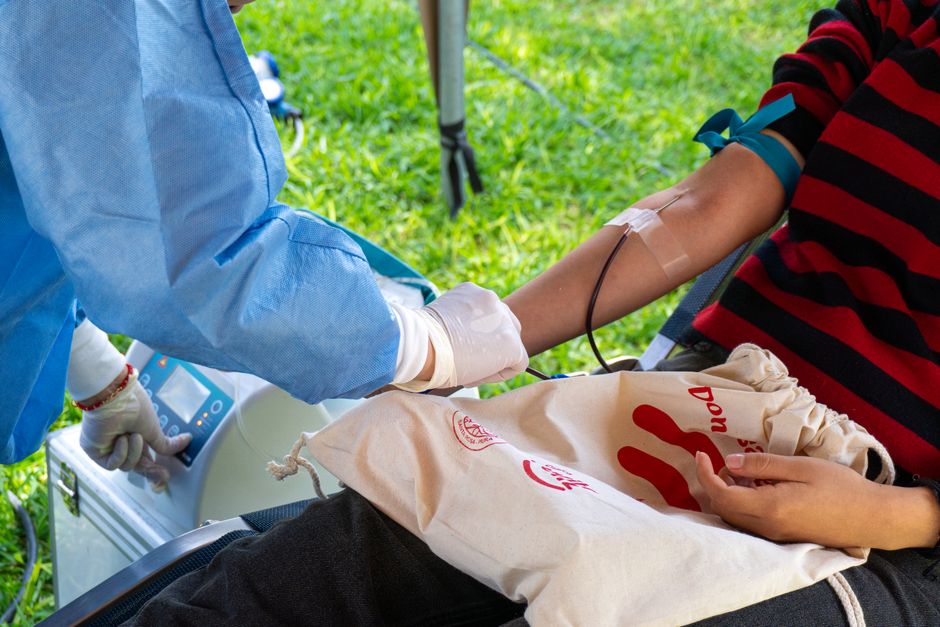
You have probably heard of donating blood, but plasma donation is a different process that can save lives in its own way. Blood plasma is the straw-colored liquid part of your blood that carries water, proteins, hormones, and nutrients throughout your body. Donating this component helps create therapies for people with immune disorders, bleeding conditions, severe burns, and trauma.
Plasma donation takes longer than a standard whole blood donation, but it allows you to give more frequently. The process uses a machine to separate and collect your plasma while returning your red blood cells and platelets back to you. It is a safe, regulated procedure performed at specialized donation centers across the country.
What Is Blood Plasma Donation?
Blood plasma donation is a medical procedure in which a person gives the liquid portion of their blood while the rest of the blood components are returned to the donor. This is done through a process called plasmapheresis. A needle is placed in a vein, and whole blood is drawn into a machine that spins rapidly to separate plasma from red cells, white cells, and platelets. The plasma is collected in a sterile bag, and the remaining cells, mixed with a small amount of saline, flow back into the donor’s arm.
The plasma itself is 92% water, but the remaining 8% contains more than 500 proteins, including clotting factors, immunoglobulins, and albumin. These proteins are essential for therapies that treat chronic and acute conditions. Because plasma regenerates quickly, donors can give much more often than whole blood donors can—up to twice a week in the United States, with at least two days between appointments.
How Is Plasma Donation Different From Whole Blood Donation?
In whole blood donation, a pint of blood is collected and all components—red cells, white cells, platelets, and plasma—are taken together. The process takes about 10 minutes once the needle is in place. Whole blood is typically used for transfusions in people who have lost blood from surgery, injury, or illness.
Plasma donation, on the other hand, collects only plasma and returns the other parts to your body. This makes the experience longer, usually 45 to 90 minutes for the full process, but it is easier on the body in terms of recovery. Because you are not losing red cells, your iron levels are not affected, and you can donate far more often. The table below shows key differences.
| Whole Blood Donation | Plasma Donation |
|---|---|
| Collects all blood components | Collects only plasma; returns red cells and platelets |
| Needle time: about 8-10 minutes | Needle time: 45-90 minutes |
| Eligible every 56 days | Eligible up to twice every 7 days, at least 2 days apart |
| Often used directly for patient transfusions | Plasma is processed into specialized therapies |
How Does Plasma Donation Work?
When you arrive at a plasma donation center, you first register and go through a health screening. Staff check your blood pressure, pulse, temperature, and hemoglobin level. You also answer a detailed medical history questionnaire to confirm your eligibility. Once cleared, you sit in a reclining chair, and a technician cleans the skin over a vein in your arm and inserts a sterile, single-use needle.
The apheresis machine draws small amounts of blood, separates the plasma, and returns the rest. Throughout the donation you may feel a slight cool sensation as saline enters your vein. Some centers let you watch a movie or read to pass the time. After the collection is complete, the needle is removed, a bandage is applied, and you rest for a few minutes while sipping water or juice.
The entire visit, from check-in to leaving, often takes about 2 hours for a first-time donor and may be shorter for repeat donors. Your body replaces the donated plasma within 24 to 48 hours, and the lost fluid is replenished even faster if you drink extra water.

Who Can Donate Plasma?
Donor eligibility for plasma is set by the U.S. Food and Drug Administration (FDA) and individual plasma collection centers. In general, you must be at least 18 years old, weigh at least 110 pounds, and pass a medical exam and screening tests. Some centers accept 16- or 17-year-olds with written parental consent, depending on state law.
During screening, you are tested for infectious diseases such as HIV, hepatitis B, and hepatitis C. You cannot donate if you have certain medical conditions, such as active infections, recent surgery, or a history of some chronic illnesses. Recent tattoos or piercings may require a waiting period, typically a few months, unless performed at a state-regulated facility. Lifestyle factors, travel to certain areas, and medication use are also reviewed. The rules are in place to protect both the donor and the eventual recipient of the plasma-derived therapy.
No clinical evidence suggests that donating plasma harms healthy adults who meet eligibility criteria. However, people who are pregnant should not donate, and anyone with low iron levels or certain heart conditions may be deferred. If you are unsure about your eligibility, calling the donation center beforehand is a good step.
What Are the Risks and Side Effects of Plasma Donation?
Plasma donation is considered safe for healthy individuals. The most common side effects are mild and temporary. These include bruising or soreness at the needle site, lightheadedness, and fatigue. Drinking plenty of water and eating a balanced meal before your appointment reduces the likelihood of feeling dizzy.
A unique side effect of plasmapheresis comes from the anticoagulant citrate, which is added to the blood to prevent clotting inside the machine. Some of this citrate returns to your circulation and can temporarily lower calcium levels, causing a tingling sensation around the mouth, hands, or feet. This reaction stops quickly after the donation ends, and staff can slow the return flow or give calcium supplements if needed. More serious allergic reactions or infections at the puncture site are possible but rare.
The plastic tubing and needle used are sterile and disposed of after each donor. No part of the equipment is reused, so there is no risk of contracting bloodborne diseases from the donation process itself. The screening tests further ensure that donated plasma is safe to use.
How Is Donated Plasma Used?
Plasma collected at donor centers is frozen soon after collection and sent to pharmaceutical manufacturing facilities. There, it undergoes a process called fractionation, where the different proteins are separated and purified. The resulting products are used to treat a wide range of conditions.
Immunoglobulin therapies made from plasma help people with primary immune deficiencies who cannot fight infections on their own. Clotting factor concentrates are critical for patients with hemophilia to prevent or stop bleeding episodes. Albumin, another plasma protein, is given to patients with severe burns, shock, or liver failure to restore blood volume. Plasma-derived products are also used in emergency medicine, organ transplants, and the treatment of certain neurological disorders. Some evidence suggests that over 1,000 different plasma-derived therapies are in use or under development worldwide.
How Often Can You Donate Plasma?
Under FDA guidelines, a person can donate source plasma no more than once in a two-day period and no more than twice in a seven-day period. Centers must wait at least 48 hours between donations. This pace is possible because plasma regenerates faster than red blood cells. In contrast, whole blood donors must wait 56 days between donations.
Frequent donation does require monitoring of protein and immunoglobulin levels. Centers periodically test donor blood to ensure that repeated donations are not depleting essential proteins. If levels drop too low, a donor may be temporarily deferred until values return to normal. This check helps keep both the donor healthy and the plasma quality high.
Frequently Asked Questions
Does donating plasma hurt?
There is a brief pinch when the needle goes in, similar to having blood drawn. After that, most donors feel only mild pressure or nothing at all during the collection.
How long does plasma donation take?
The actual plasma collection takes about 45 to 90 minutes. A first visit, including screening and paperwork, may take up to 2 hours from start to finish.
Can I donate plasma if I have tattoos?
Tattoos do not automatically disqualify you. If your tattoo was done at a state-regulated facility with sterile needles, you may donate right away in many states. Otherwise, a waiting period of up to 4 months might apply.
Is plasma donation safe
