
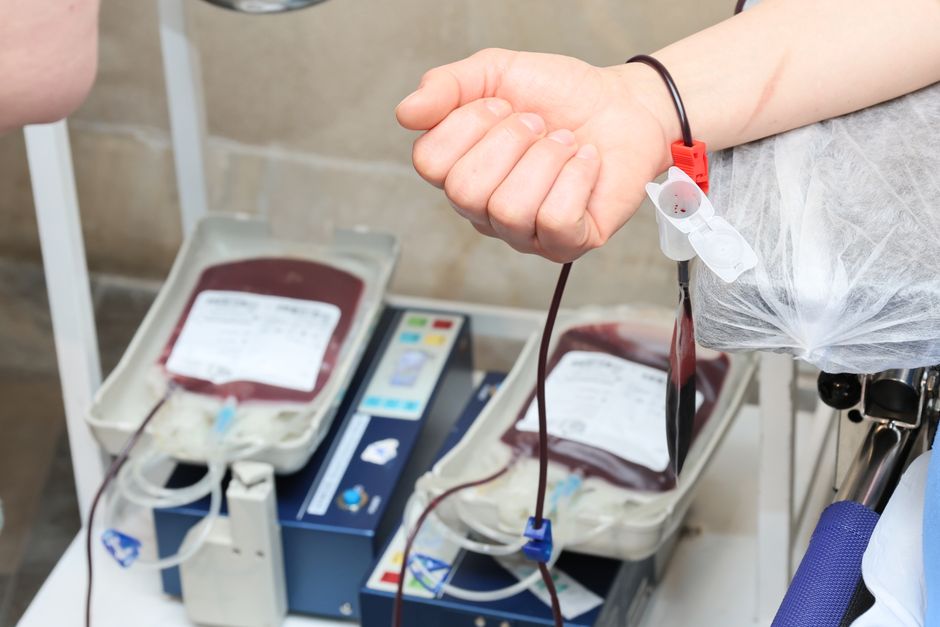
Blood plasma is the liquid part of your blood, making up about 55% of its total volume. It is mostly water — about 92% — but the remaining 8% is what does the real work. That 8% contains hundreds of different proteins, essential salts like sodium and potassium, nutrients, hormones, and waste products. Think of plasma as the delivery system that carries everything your body needs to function, from oxygen to clotting factors to immune defenses. It is not just “watered-down blood.” It is a complex, living fluid that keeps every cell in your body fed, clean, and protected.
What Exactly Is Blood Plasma Made Of?
Plasma is not a mystery. It has a known composition that scientists have studied for over a century. The largest component is water, but the proteins are what give plasma its unique abilities.
Here is the breakdown of what is in plasma:
- Water (92%) — The solvent that carries everything else.
- Proteins (7%) — Including albumin, globulins, and fibrinogen. Albumin alone makes up about 60% of plasma proteins and helps keep fluid from leaking out of blood vessels.
- Salts and Electrolytes (0.9%) — Sodium, potassium, calcium, magnesium, chloride, bicarbonate. These regulate nerve signals, muscle contractions, and pH balance.
- Nutrients (0.1%) — Glucose, amino acids, fatty acids, vitamins.
- Waste Products (trace) — Urea, creatinine, bilirubin. These are headed to the kidneys or liver for removal.
- Hormones and Gases (trace) — Insulin, thyroid hormones, carbon dioxide, oxygen in dissolved form.
The numbers add up to 100%, but the real story is in the proteins. They are not just floating around. Each one has a job. Albumin maintains blood pressure. Globulins carry antibodies and fight infection. Fibrinogen is the raw material for blood clots. Without these proteins, plasma would just be salty water.
What Are the Main Proteins in Blood Plasma and What Do They Do?
Plasma contains over 300 different proteins, but three groups do most of the heavy lifting. Understanding them helps explain why plasma is so valuable for medical treatments.
Albumin is the most abundant. It is made in the liver and acts like a sponge, pulling water into blood vessels. Without albumin, fluid would leak out of your veins and pool in your tissues — that is what happens in severe malnutrition or liver disease. Albumin also binds to drugs and hormones, carrying them through the bloodstream. Doctors measure albumin levels to check liver and kidney function.
Globulins are a mixed group. Alpha globulins transport fats and hormones. Beta globulins carry iron and copper. Gamma globulins are the antibodies — immunoglobulins that your immune system uses to attack bacteria and viruses. When you get a vaccine, your body starts making specific gamma globulins against that germ. Plasma from vaccinated donors can be used to make antibody treatments for diseases like tetanus or rabies.
Fibrinogen is the clotting protein. When you cut yourself, fibrinogen converts into fibrin, which forms a mesh that traps platelets and red blood cells to create a clot. If your fibrinogen is low, you bleed too much. If it is too high, you are at risk for dangerous clots. The balance is delicate.
Some studies suggest that measuring specific protein levels can predict health risks. Research published in Nature Medicine found that certain plasma protein patterns can indicate early signs of heart disease or kidney problems years before symptoms appear. This is still an active area of research, not a routine test yet.
What Role Do Salts and Electrolytes Play in Plasma?
The salts in plasma are not just random minerals. They are precisely controlled because your cells depend on them to function. The main electrolytes are sodium, potassium, calcium, chloride, and bicarbonate.
Sodium is the most abundant. It controls how much water stays in your blood vessels. If sodium gets too high, you feel thirsty and your blood pressure rises. If it drops too low, you can feel weak or confused. Potassium is the opposite — it mostly lives inside your cells, but even small changes in plasma potassium can stop your heart. That is why doctors check electrolyte levels before surgery or when you are dehydrated.
Calcium in plasma is also critical. It is not just for bones. Calcium helps your nerves send signals, your muscles contract, and your blood clot. Low calcium causes muscle cramps and tingling. High calcium can cause kidney stones and confusion. Your body has a tight range it tries to maintain.
Chloride and bicarbonate work together to keep your blood pH between 7.35 and 7.45. That is a narrow window. If pH drifts outside it, enzymes stop working and cells start to die. Bicarbonate acts as a buffer, soaking up excess acid or base. This is why your kidneys and lungs are constantly adjusting to keep plasma chemistry stable.
The CDC reports that electrolyte imbalances are one of the most common reasons for emergency room visits in older adults. Dehydration, kidney disease, and certain medications can throw off the balance quickly. A simple blood test called a basic metabolic panel measures these levels and can catch problems early.



Can You Donate Plasma and What Happens to It?
Yes, you can donate plasma, and it is different from donating whole blood. In a process called plasmapheresis, a machine draws your blood, separates the plasma, and returns your red blood cells and platelets back to you. This means you can donate plasma more often than whole blood — up to twice a week in some cases.
Donated plasma is used for two main purposes. The first is direct transfusion. Patients with severe burns, liver failure, or clotting disorders may need plasma to replace what they have lost. The second is manufacturing. Pharmaceutical companies take pooled plasma from thousands of donors and separate it into specific proteins. Albumin is used to treat shock and burns. Gamma globulins are used for immune disorders. Clotting factors are given to people with hemophilia.
The American Red Cross reports that one plasma donation can be used to create up to 18 different medical products. This is why plasma is sometimes called “liquid gold.” It is not a hype — the demand for plasma-derived medicines is growing every year. Some countries pay plasma donors because the need is so high.
There is a common misconception that donating plasma weakens your immune system. That is not true for most people. Your body replaces the plasma proteins within 24 to 48 hours. The only real risk is dehydration or a drop in calcium from the anticoagulant used during donation. Drinking water and eating a meal beforehand prevents that.
What Does Research Say About Plasma Therapies?
Plasma therapies have a long track record of saving lives. The most established use is for clotting factor replacement in hemophilia. Before plasma-derived factor VIII was available in the 1970s, many people with hemophilia died young from bleeding. Today, they can live normal lives with regular infusions.
Intravenous immunoglobulin (IVIG) is another major plasma therapy. It is made from the gamma globulins of thousands of donors and given to people with autoimmune diseases or immune deficiencies. Research published in The New England Journal of Medicine has shown that IVIG reduces infections in patients with chronic lymphocytic leukemia and helps manage conditions like Guillain-Barré syndrome and Kawasaki disease.
Convalescent plasma gained attention during the COVID-19 pandemic. This is plasma from people who recovered from an infection, containing antibodies against that germ. Some studies suggested it helped when given early in the disease. Other studies found no benefit. The evidence is mixed, and as of 2026, it is not a standard treatment for most viral infections. The lesson is that plasma is not a magic bullet — it works well for some conditions but not others.
There is also ongoing research into using plasma biomarkers for early cancer detection. A study from the National Cancer Institute found that certain proteins in plasma can indicate the presence of ovarian cancer months before symptoms appear. This is promising but still experimental. Do not expect a routine blood test for cancer anytime soon.
What the evidence clearly shows is that plasma is a rich source of diagnostic and therapeutic tools. But it is not a cure-all. The hype around “plasma rejuvenation” therapies that claim to reverse aging is not supported by solid clinical trials. Some people report feeling better after plasma infusions, but placebo effects are powerful. Strong evidence is limited.
What Are Common Misconceptions About Blood Plasma?
One myth is that plasma is the same as blood. It is not. Whole blood contains red cells, white cells, and platelets suspended in plasma. Plasma is just the liquid part. If you centrifuge blood, the cells sink to the bottom and the plasma stays on top. That is why plasma is pale yellow, not red.
Another misconception is that plasma is mostly protein. It is not. As discussed, it is 92% water. The proteins are critical, but they make up a small fraction by volume. This matters because when people hear “plasma is rich in proteins,” they might think drinking protein shakes will improve their plasma. That is not how it works. Your liver makes the proteins your plasma needs from the amino acids in your diet. Eating more protein than your body needs does not boost plasma protein levels.
There is also a widespread belief that plasma donation is painful or dangerous. The needle stick feels like a regular blood draw. The process takes about an hour. Side effects are rare and usually mild — dizziness, bruising, or a temporary tingling sensation from the anticoagulant. Serious complications like infection or nerve damage are extremely rare when done at a licensed center.
Some people think plasma is only used for emergencies. In reality, it is used daily for chronic conditions. People with primary immune deficiencies rely on regular IVIG infusions to prevent infections. Hemophilia patients use clotting factors regularly. Plasma-derived medicines are not just for trauma — they are maintenance therapy for many people.
Finally, there is the idea that plasma from young donors can reverse aging. This became popular after a few animal studies showed that young mouse blood improved some measures in older mice. But human trials have not confirmed this. The FDA has warned against unapproved “plasma transfusions” for anti-aging purposes. As of 2026, there is no clinical evidence that this works in humans. Do not waste your money on unregulated clinics offering this service.
Frequently Asked Questions
What is the difference between blood plasma and serum?
Plasma contains clotting factors like fibrinogen. Serum is plasma with the clotting factors removed, so it does not clot.
Can you drink blood plasma?
No. Drinking plasma would not provide any benefit because your digestive system breaks down the proteins into amino acids, just like food.
How long does it take for plasma to regenerate after donation?
Your body replaces the plasma proteins within 24 to 48 hours, and water is replaced within hours of drinking fluids.
Does plasma carry oxygen like red blood cells do?
Plasma carries a small amount of dissolved oxygen, but red blood cells carry about 98% of the oxygen in your blood.
