
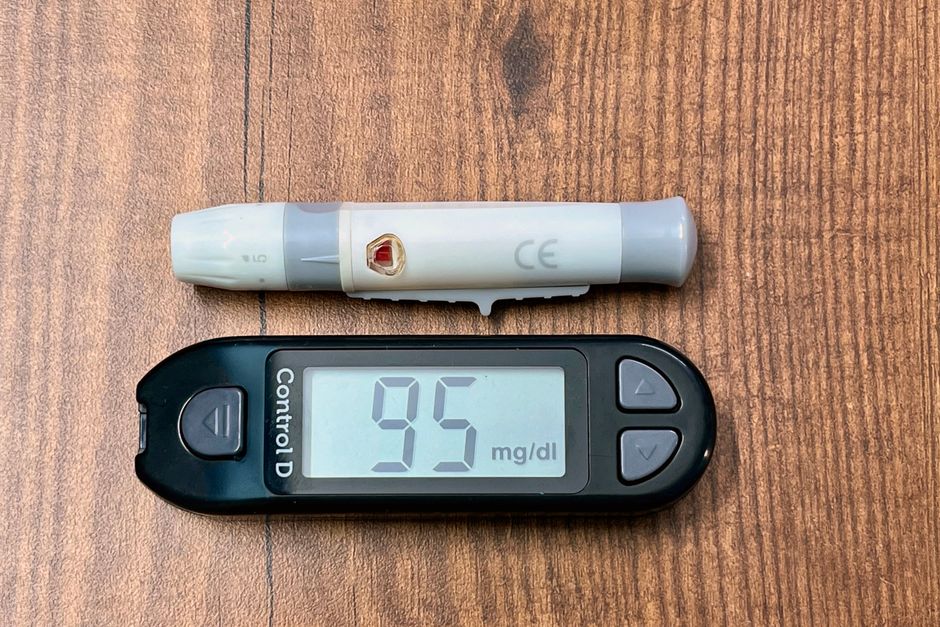
Blood sugar is the main sugar found in your blood. It comes from the food you eat and is your body’s primary energy source. A normal blood sugar level for most adults without diabetes is below 100 mg/dL when fasting and under 140 mg/dL two hours after eating. These numbers are not random guesses. They come from decades of research and are used by doctors worldwide to assess metabolic health. Understanding what these numbers mean and how they change throughout the day can help you make informed decisions about your health.
What Is a Normal Blood Sugar Level by Age and Time of Day?
Blood sugar levels are not the same for everyone at every moment. They change based on when you last ate, what you ate, and your age. For most adults without diabetes, a fasting blood sugar level between 70 and 99 mg/dL is considered normal. This is measured after not eating or drinking anything except water for at least eight hours.
Two hours after a meal, a normal blood sugar level is typically under 140 mg/dL. Levels between 140 and 199 mg/dL suggest prediabetes. A level of 200 mg/dL or higher indicates diabetes. These thresholds are based on guidelines from major health organizations like the American Diabetes Association.
Age does affect blood sugar targets, but not as much as some people think. For older adults, doctors may aim for slightly higher targets to avoid dangerous low blood sugar episodes. For children, normal ranges are similar to adults but can be slightly lower during fasting periods. Current research suggests that as of 2026, the standard targets for most non-diabetic adults remain the same regardless of age, though individual health conditions matter more than age alone.
What Does Fasting Blood Sugar Tell You About Your Health?
A fasting blood sugar test is one of the most reliable ways to check your metabolic health. It shows how well your body handles sugar when it is not actively digesting food. A normal fasting blood sugar is below 100 mg/dL. If your level is between 100 and 125 mg/dL, doctors call this impaired fasting glucose, which is a sign of prediabetes.
Fasting blood sugar levels above 126 mg/dL on two separate tests indicate diabetes. This test is simple and cheap, which is why it is often the first test doctors order. However, it is not perfect. Some people have normal fasting blood sugar but still have problems with blood sugar after eating. That is why doctors sometimes use other tests like the A1C or oral glucose tolerance test.
If your fasting blood sugar is consistently above 100 mg/dL, it is worth discussing with your doctor. It does not mean you definitely have diabetes. But it is a signal that your body is struggling to keep blood sugar in a healthy range. Lifestyle changes like diet and exercise can often bring it back to normal levels.
How Do Blood Sugar Levels Change After Eating?
After you eat, your blood sugar rises as your body digests carbohydrates. This is normal and expected. The key is how high it rises and how quickly it returns to baseline. In a healthy person, blood sugar usually peaks about 30 to 60 minutes after eating and returns to normal within two to three hours.
A normal blood sugar two hours after eating is under 140 mg/dL. If your level is between 140 and 199 mg/dL, that is considered impaired glucose tolerance, another sign of prediabetes. Levels above 200 mg/dL suggest diabetes. These numbers are based on the oral glucose tolerance test, which is the gold standard for diagnosing how your body handles sugar after a meal.
What you eat matters a lot. Meals high in refined carbohydrates and sugar cause sharper spikes. Meals with protein, fiber, and healthy fats produce slower, smaller rises. This does not mean you need to avoid carbohydrates completely. It means paying attention to the type and amount of carbs you eat can help keep your blood sugar in a normal range.




What Is the Difference Between Normal Blood Sugar and Optimal Blood Sugar?
Normal blood sugar is the range that does not indicate disease. Optimal blood sugar is the range where your body functions best. Many researchers now believe that levels on the higher end of normal may still increase risk for health problems over time.
Some studies suggest that fasting blood sugar levels above 90 mg/dL may be linked to a higher risk of heart disease, even if they are still under 100 mg/dL. Similarly, post-meal levels that stay above 120 mg/dL for long periods may indicate early metabolic stress. These findings are not yet part of official guidelines, but they are worth knowing.
The table below compares standard normal ranges with what some experts consider optimal:
| Measurement | Standard Normal | Optimal Range |
|---|---|---|
| Fasting blood sugar | 70–99 mg/dL | 70–90 mg/dL |
| 2 hours after eating | Under 140 mg/dL | Under 120 mg/dL |
| A1C (3-month average) | Below 5.7% | Below 5.3% |
This does not mean you should panic if your levels are in the standard normal range. It simply means that if you are aiming for peak metabolic health, lower levels within the normal range are generally better. Talk to your doctor before trying to change your blood sugar targets.
What Factors Can Push Blood Sugar Out of Normal Range?
Many things affect blood sugar besides food. Stress is a big one. When you are stressed, your body releases hormones like cortisol and adrenaline that raise blood sugar. This is a survival mechanism, but chronic stress can keep your blood sugar higher than normal for long periods.
Sleep also matters. Poor sleep or not enough sleep can make your cells less sensitive to insulin, the hormone that helps move sugar out of your blood. Studies have found that even one night of poor sleep can raise fasting blood sugar the next morning. Exercise helps lower blood sugar because your muscles use glucose for energy. Sedentary lifestyles are linked to higher blood sugar levels.
- Stress: Raises cortisol and blood sugar
- Poor sleep: Reduces insulin sensitivity
- Lack of exercise: Muscles use less glucose
- Certain medications: Steroids and some diuretics can raise blood sugar
- Illness or infection: The body releases stress hormones
- Dehydration: Concentrates blood sugar levels
Some people report that artificial sweeteners affect their blood sugar, though strong evidence is limited. Individual responses vary. If you notice a pattern with a specific food or drink, it is worth paying attention to. Your body is the best guide, but lab tests give you objective data.
What Are Common Misconceptions About Normal Blood Sugar?
One common myth is that blood sugar should never go above 100 mg/dL at any time. That is not true. Blood sugar naturally rises after eating, even in healthy people. The concern is how high it goes and how long it stays elevated. Temporary spikes after meals are normal.
Another misconception is that only people with diabetes need to worry about blood sugar. This is not accurate. Prediabetes affects about one in three adults in the United States. Most of them do not know they have it. Knowing your blood sugar numbers can help you catch problems early, when lifestyle changes are most effective.
Some people also believe that eating fruit causes dangerous blood sugar spikes. Whole fruit contains fiber, which slows down sugar absorption. A normal blood sugar response to fruit is usually fine for most people. Fruit juice is a different story because it lacks fiber and can cause rapid rises. The whole fruit is almost always better than the juice.
This is widely claimed though strong evidence is limited for the idea that eating at night automatically raises blood sugar. What matters more is what you eat and how much. A small, balanced snack before bed is unlikely to cause problems for most people. Large, carb-heavy meals late at night are a different matter.
Frequently Asked Questions
What is a normal blood sugar level for a person without diabetes?
A normal fasting blood sugar level is between 70 and 99 mg/dL. Two hours after eating, it should be under 140 mg/dL.
Can blood sugar be too low even if it is in the normal range?
Yes. Symptoms of low blood sugar like shakiness or confusion can occur below 70 mg/dL even if that is technically within the lower end of normal.
How often should I check my blood sugar if I do not have diabetes?
Routine checking is not necessary for most people without diabetes or prediabetes. A yearly check during a physical is usually enough.
Does drinking water lower blood sugar?
Water helps your kidneys flush out excess sugar through urine. Staying hydrated can help keep blood sugar levels from becoming too concentrated.
