
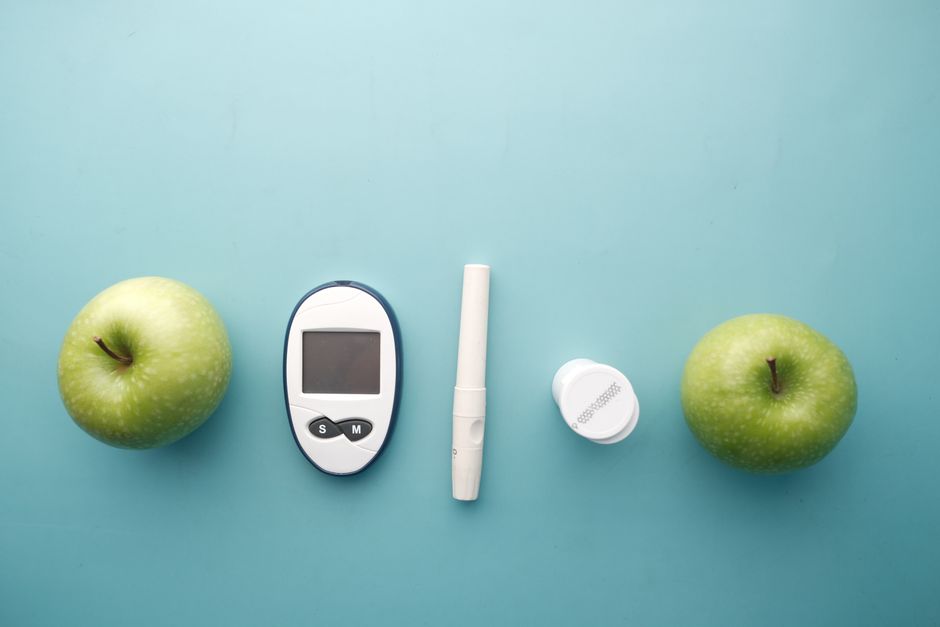
Your blood sugar level changes all day, depending on what you eat, when you eat, and how active you are. For most healthy adults, a normal fasting glucose level is between 70 and 99 mg/dL. A reading of 100 to 125 mg/dL suggests prediabetes, and 126 mg/dL or higher on two separate tests indicates diabetes. But a single number does not tell the whole story, and your “average” glucose over time matters more than any one reading.
What Is An Average Glucose Level And Is Yours Normal?
The short answer is that a normal fasting blood glucose level falls between 70 and 99 mg/dL. This is the measurement taken after you have not eaten for at least 8 hours. If your fasting level sits between 100 and 125 mg/dL, doctors classify this as prediabetes or impaired fasting glucose. A fasting level of 126 mg/dL or higher on two separate occasions meets the diagnostic criteria for diabetes.
These numbers come from standard clinical guidelines used by major medical organizations. They are not arbitrary. They are based on large population studies that looked at how blood sugar levels relate to long-term health outcomes, especially the risk of developing diabetes-related complications.
Your glucose level is not a single fixed number. It rises after meals and falls as your body uses insulin to move sugar into your cells. The timing of the test matters as much as the number itself. A random glucose test taken an hour after a meal will run higher than a fasting test, and that is expected.
How Do Doctors Measure Your Average Glucose?
One blood draw gives you a snapshot. But your glucose level fluctuates throughout the day, so doctors often want a bigger picture. Two main tests provide that view: the A1c test and continuous glucose monitoring (CGM).
The A1c test measures what percentage of your hemoglobin has glucose attached to it. Because red blood cells live about 3 months, the A1c reflects your average blood sugar over that period. It is reported as a percentage. A normal A1c is below 5.7%. A level of 5.7% to 6.4% indicates prediabetes. An A1c of 6.5% or higher means diabetes.
Continuous glucose monitors are small sensors worn on the skin that measure glucose in the fluid around your cells every few minutes. These devices provide a detailed picture of your glucose patterns throughout the day, including how high your sugar spikes after meals and how quickly it comes back down. They also calculate an estimated average glucose (eAG) from your readings.
The estimated average glucose translates your A1c percentage into the same units as a blood glucose meter. For example, an A1c of 6% corresponds to an estimated average glucose of about 126 mg/dL. This conversion helps people understand their A1c in more familiar terms.
What Is Prediabetes and Why Does It Matter?
Prediabetes is a warning zone. Your blood sugar is higher than normal but not yet high enough for a diabetes diagnosis. The American Diabetes Association estimates that more than 1 in 3 American adults have prediabetes, and most do not know it.
Having prediabetes does not mean you will definitely develop diabetes. It means your risk is elevated. The good news is that prediabetes is often reversible. Research has consistently shown that lifestyle changes can bring blood sugar levels back into the normal range.
Weight loss is the most powerful tool. Studies have found that losing 5% to 7% of your body weight can significantly reduce the risk of progressing from prediabetes to diabetes. That means a 200-pound person would need to lose 10 to 14 pounds to see meaningful benefit.
Physical activity also matters. Regular exercise makes your muscles more sensitive to insulin, meaning they pull glucose out of your bloodstream more efficiently. Even moderate activity like brisk walking for 30 minutes most days can make a measurable difference.

What Causes High Blood Sugar?
High blood sugar happens when your body cannot move glucose into your cells effectively. This is called insulin resistance, and it is the underlying problem in most cases of type 2 diabetes.
Your pancreas produces insulin, a hormone that acts like a key, unlocking your cells so glucose can enter. When you are insulin resistant, your cells respond poorly to that key. Your pancreas works harder to produce more insulin to compensate. Over time, the pancreas can wear out and fail to keep up with demand. When that happens, glucose builds up in your bloodstream.
Several factors contribute to insulin resistance. Excess body fat, especially around the abdomen, is a major driver. Physical inactivity makes it worse. Genetics play a role too. Some people are simply more predisposed to insulin resistance than others.
Carbohydrates directly raise blood sugar because they break down into glucose during digestion. Foods high in refined carbs and added sugars cause rapid spikes. Foods with fiber, protein, and fat slow down digestion and produce a gentler rise in blood sugar.
How Do You Lower Your Blood Sugar Naturally?
If your glucose levels are running higher than normal, several evidence-based strategies can help bring them down. These are not quick fixes. They are sustainable habits that improve how your body handles glucose.
Physical activity is one of the most effective tools. When you exercise, your muscles use glucose for fuel without needing as much insulin. This effect lasts beyond your workout session. Regular exercise improves insulin sensitivity over time, meaning your cells become more responsive to insulin.
Both aerobic exercise and resistance training help. Aerobic exercise like walking, swimming, or cycling improves your body’s ability to use glucose. Resistance training builds muscle, and muscle tissue is a major consumer of glucose. More muscle means your body can clear glucose from your bloodstream more efficiently.
Dietary changes also matter. Reducing refined carbohydrates and added sugars is the most direct approach. Swapping white bread, sugary drinks, and processed snacks for whole grains, vegetables, and lean proteins can flatten glucose spikes after meals.
Some research suggests that the order in which you eat your food matters. Eating vegetables and protein before carbohydrates can slow glucose absorption and reduce the post-meal spike. This is a simple strategy that costs nothing and has no downside.
Sleep is an underappreciated factor. Poor sleep increases stress hormones like cortisol, which raise blood sugar. Chronic sleep deprivation is linked to worse insulin sensitivity. Aiming for 7 to 9 hours of quality sleep per night supports healthy glucose regulation.
When Should You See a Doctor About Your Blood Sugar?
You should have your blood sugar checked if you have risk factors for diabetes. These include being over 45, having a family history of diabetes, being overweight, having high blood pressure, or being physically inactive.
Certain symptoms warrant immediate attention. Frequent urination, excessive thirst, unexplained weight loss, extreme fatigue, and blurred vision can all signal high blood sugar. These symptoms develop gradually, so they are easy to dismiss. If you notice them, get tested.
Doctors typically screen for diabetes with a fasting blood glucose test or an A1c test. If your results come back in the prediabetes range, your doctor will likely recommend lifestyle changes and repeat testing in 6 to 12 months. If your results meet the criteria for diabetes, your doctor will discuss treatment options, which may include medication in addition to lifestyle changes.
Do not ignore an abnormal result. Early intervention is the single best predictor of good outcomes. Diabetes that is caught early is far easier to manage than diabetes that has gone undetected for years.
Can You Have Normal Blood Sugar and Still Have Problems?
Yes, and this is an area where the picture gets more complicated. Some people have normal fasting glucose but experience very high spikes after meals. Others have normal average glucose but large fluctuations throughout the day. These patterns are not captured by a single fasting test.
Research on continuous glucose monitoring has revealed that people with seemingly normal A1c levels can have significant post-meal glucose spikes. The clinical significance of these spikes is still being studied. Some experts believe that repeated large spikes contribute to inflammation and long-term vascular damage, even when average levels look fine.
This is an emerging area of research, not an established consensus. The medical community agrees that fasting glucose and A1c are reliable predictors of diabetes risk. Whether tracking post-meal spikes in people without diabetes provides meaningful health benefits is not yet settled.
If you are curious about your glucose patterns, a continuous glucose monitor can provide answers. But for most people without diabetes risk factors, a routine fasting glucose test and A1c are sufficient screening tools.
Frequently Asked Questions
What is a dangerous blood sugar level?
A fasting glucose level of 126 mg/dL or higher indicates diabetes, and levels above 180 mg/dL after meals are considered elevated. Levels above 240 mg/dL require immediate medical attention because they can lead to diabetic ketoacidosis, a serious emergency condition.
How often should I check my blood sugar?
If you do not have diabetes, routine screening every 3 years starting at age 45 is standard, or earlier if you have risk factors. If you have prediabetes or diabetes, your doctor will recommend a specific testing schedule based on your treatment plan.
Does drinking water lower blood sugar?
Staying hydrated helps your kidneys flush excess glucose through urine, which can modestly lower blood sugar. Water does not replace the need for dietary changes or medication, but it is a healthy habit that supports glucose regulation.
Can stress raise your blood sugar?
Yes. Stress triggers the release of cortisol and adrenaline, hormones that signal your liver to release stored glucose for quick energy. Chronic stress can keep blood sugar levels persistently elevated, especially in people with insulin resistance.
