
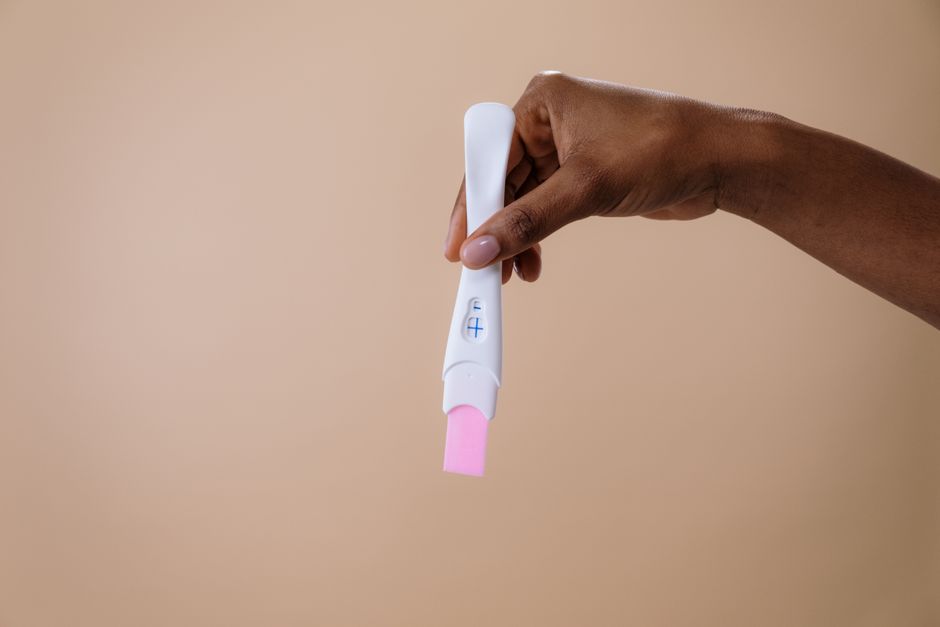
A serum pregnancy test is a blood test that detects the pregnancy hormone human chorionic gonadotropin (hCG). Unlike a urine test you take at home, this test is done in a lab or doctor’s office. It can confirm a pregnancy earlier and give your doctor more detailed information about how the pregnancy is progressing.
Most people will never need this test. A standard urine test is accurate and sufficient for routine confirmation. However, your doctor may order a serum test if you have bleeding, severe pain, a history of miscarriage, or if you are undergoing fertility treatment. The test measures either the presence of hCG or the exact amount of the hormone in your blood.
How Is a Serum Pregnancy Test Different From a Urine Test?
The difference comes down to sensitivity and measurement. A urine test gives a simple “yes” or “no” answer. A serum test can tell your doctor exactly how much hCG is in your blood.
Blood tests can detect hCG at much lower levels. This means they can confirm a pregnancy days earlier than most urine tests. A blood test may be positive as early as 6 to 8 days after ovulation. Urine tests typically turn positive around the time of a missed period or a few days before.
There are two types of serum pregnancy tests. The qualitative hCG test simply checks if hCG is present. The quantitative hCG test measures the precise amount of the hormone. The quantitative test is the one that provides useful medical information over time.
What Does the hCG Level Tell Your Doctor?
hCG is produced by cells that form the placenta. In a healthy early pregnancy, the level rises quickly. It typically doubles every 48 to 72 hours during the first several weeks.
A single hCG level does not tell your doctor much on its own. The value matters most when compared to a second test taken about two days later. This pattern of rising levels helps confirm that a pregnancy is developing normally.
Abnormally slow rising or falling levels may indicate a problem. This could include an ectopic pregnancy, where the embryo implants outside the uterus, or a miscarriage. However, an abnormal pattern alone is not a diagnosis. Your doctor will almost always confirm with an ultrasound before drawing conclusions.
When Would a Doctor Order a Serum Pregnancy Test?
Routine pregnancy confirmation does not require a blood test. Doctors order serum tests in specific situations where more information is needed.
- Fertility treatment: After IVF or other assisted reproduction, doctors track hCG levels closely to monitor progress.
- Bleeding or pelvic pain: These symptoms require investigation. Serial hCG levels help distinguish a normal pregnancy from an ectopic pregnancy or a miscarriage.
- History of pregnancy loss: Some doctors monitor hCG levels in early pregnancy for patients with recurrent miscarriage.
- Unclear ultrasound results: When an ultrasound cannot yet show a pregnancy sac, hCG levels provide additional information.
- Medical conditions: Certain conditions, like gestational trophoblastic disease, require hCG monitoring.
If you have none of these circumstances, a urine test is almost always sufficient. Your doctor will not order a blood test without a medical reason.





How Early Can a Serum Pregnancy Test Detect Pregnancy?
A quantitative serum test can detect hCG as early as 6 to 8 days after ovulation. This is roughly a week before your expected period. At this point, the level may be very low, often between 5 and 25 mIU/mL.
Most labs consider an hCG level above 5 mIU/mL as positive. Levels below this are considered negative. However, there is a gray zone between 5 and 25 mIU/mL where results may be ambiguous. A level in this range often means it is simply too early to tell. Your doctor would repeat the test in a few days to see if the level is rising.
It is important to understand that testing this early is rarely necessary. For most people, waiting until the first day of a missed period gives a clear and reliable answer with a home urine test.
What Do the Results Mean?
Interpreting hCG results requires context. Your doctor considers the absolute level, how it changes over time, and what an ultrasound shows.
In a singleton pregnancy, hCG levels vary widely between individuals. One person may have a level of 200 mIU/mL at four weeks while another has 1,000 mIU/mL. Both can be perfectly healthy pregnancies. This is why a single number is rarely diagnostic by itself.
Here is what the pattern of results generally indicates:
- Rising appropriately: Levels that double every 48 to 72 hours suggest a normally developing pregnancy.
- Slow rise: Levels that rise but take longer than 72 hours to double may indicate a nonviable pregnancy or an ectopic pregnancy.
- Falling levels: Decreasing hCG generally indicates a pregnancy loss.
- Higher than expected: Very high levels may suggest a multiple pregnancy, a molar pregnancy, or a miscalculated due date.
None of these patterns are definitive alone. An ultrasound is the gold standard for confirming where a pregnancy is located and whether it is viable. Your doctor will use both tests together to make an assessment.
Are There Risks or Side Effects?
The only risk is the same as any standard blood draw. You may feel a brief pinch when the needle goes in. Some people develop a small bruise at the puncture site. Serious complications from a routine blood draw are extremely rare.
There are no risks to the pregnancy itself from having blood drawn. The test does not involve radiation, medication, or any procedure that touches the uterus.
The emotional impact is worth acknowledging. Waiting for results can be stressful, especially if the test was ordered because of concerning symptoms. Ask your doctor when you can expect results and what the follow-up plan will be regardless of the outcome.
Can a Serum Test Be Wrong?
False positives are extremely rare with serum tests. The lab test is highly specific for hCG. However, certain rare conditions can produce hCG without a pregnancy. These include some tumors and certain medications containing hCG, which are used in some fertility treatments.
False negatives are more common but still uncommon. A test taken too early may show a negative result simply because hCG has not yet reached a detectable level. This is why a negative result before your missed period does not completely rule out pregnancy.
If your result does not match your symptoms or your expectations, your doctor will repeat the test. A single unexpected result is rarely acted upon in isolation.
What Happens After the Test?
What happens next depends entirely on the reason the test was ordered and the results.
If the test was ordered for routine confirmation and hCG is present, you will likely proceed with standard prenatal care. Your first ultrasound is typically scheduled between 6 and 9 weeks of pregnancy.
If the test was ordered because of bleeding or pain, the results guide the next steps. Your doctor may schedule an ultrasound immediately or repeat the blood test in 48 hours. If an ectopic pregnancy is suspected, you may need urgent evaluation because this condition can be life-threatening.
If the levels are falling and a miscarriage is confirmed, your doctor will discuss options. These include letting the miscarriage complete naturally, medication to help it along, or a procedure called dilation and curettage.
When Should You Ask Your Doctor About This Test?
You should not request a serum test without a medical reason. If you have taken a home test and received a positive result, that is sufficient to begin prenatal care.
You should contact your doctor promptly if you have a positive home test and any of the following:
- Bleeding heavier than light spotting
- Significant pelvic or abdominal pain, especially on one side
- Dizziness or fainting
- Shoulder pain
- A history of ectopic pregnancy
These symptoms warrant medical evaluation. Do not wait for a scheduled appointment if pain is severe or you feel unwell.
Frequently Asked Questions
How long does a serum pregnancy test take?
Results typically come back within a few hours to 24 hours depending on the lab. Some hospital labs can process the test in under an hour for urgent cases.
Is a blood pregnancy test more accurate than a urine test?
Yes, blood tests are more sensitive and can detect lower levels of hCG earlier than urine tests. Both are highly accurate when used at the appropriate time.
Do I need a serum pregnancy test to confirm my pregnancy?
No, a positive home urine test is sufficient to confirm pregnancy in most cases. A blood test is only needed when your doctor has a specific medical reason to order one.
Can a serum pregnancy test detect an ectopic pregnancy?
A single blood test cannot diagnose an ectopic pregnancy, but the pattern of hCG levels over time combined with ultrasound findings helps doctors identify one. Falling or slowly rising levels raise concern and prompt further investigation.
