
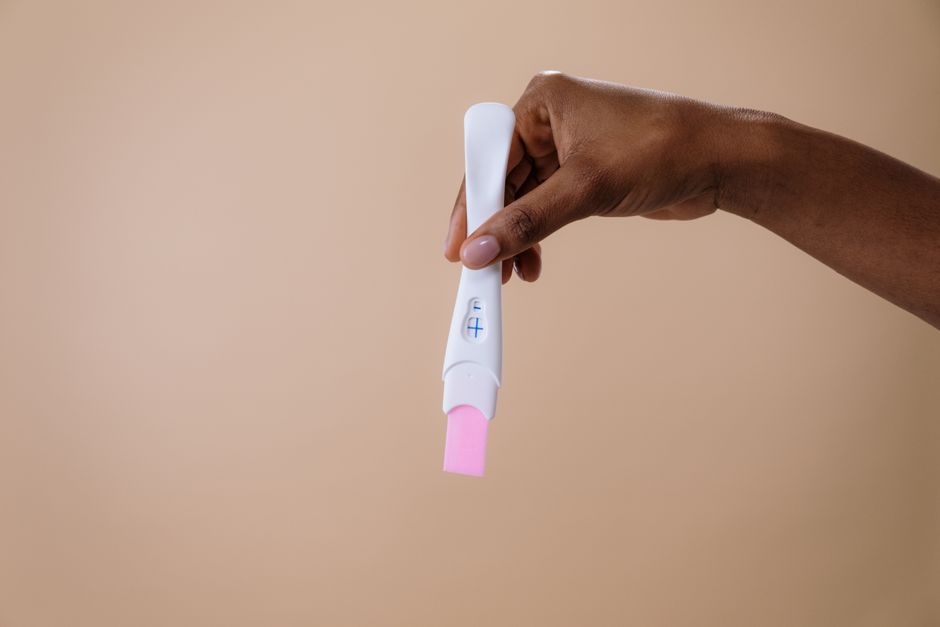
Waiting for a pregnancy test result is one of the most anxious times you can go through. The best way to get a positive pregnancy test is to wait until the day of your missed period and test first thing in the morning with your first urine of the day. Testing too early is the number one reason for a false negative, so patience is not just helpful — it is necessary for an accurate result.
When Is the Best Time of Day to Take a Pregnancy Test?
Your urine is most concentrated when you first wake up. This is because you have not been drinking water or other fluids for several hours. HCG, the hormone pregnancy tests detect, builds up in your bladder overnight. Morning urine has the highest concentration of HCG.
Some newer tests claim to work at any time of day. This is true for some sensitive brands after your missed period. But for early testing, morning urine is still your best bet. If you test later in the day, your urine may be too diluted to show a positive result even if you are pregnant.
If you absolutely must test during the day, try to hold your urine for at least four hours. Do not drink a lot of fluids before testing. This dilutes your HCG levels and increases the chance of a false negative.
How Many Days After Ovulation Should You Test?
Implantation usually happens 6 to 12 days after ovulation. Once the embryo implants, your body starts producing HCG. The hormone doubles roughly every 48 hours in early pregnancy.
Testing before 10 days past ovulation is almost always too early. Most women who get a positive result see it between 12 and 14 days past ovulation. This aligns closely with when your period is due.
A study in the journal Human Reproduction found that only 10 percent of women had detectable HCG by 8 days past ovulation. By 12 days past ovulation, that number rose to over 90 percent. The message is clear: testing earlier than 10 days past ovulation is a waste of money and emotional energy.
Does How To Get A Positive Pregnancy Test Timing Tips Actually Work?
The phrase “How To Get A Positive Pregnancy Test Timing Tips” is not a magic trick. It is a practical approach to testing at the right moment. The tips that actually work are based on biology, not hacks or old wives’ tales.
What works: testing after your missed period, using first morning urine, and following the test instructions exactly. What does not work: holding the test in the wrong direction, reading results after the time window, or trying to “trick” the test by drinking less water.
Some people report getting a positive result days before their missed period. This is possible with sensitive tests, but it is not common. For most women, the most reliable positive comes after the missed period. Current research suggests that even the most sensitive tests miss about 20 percent of pregnancies when tested four days before the expected period.




What Affects How Early You Can Get a Positive Result?
Several factors determine how early you can see a positive line. Your ovulation date matters most. If you ovulated later than you think, your period is not actually late yet. This is the most common reason for a false negative.
The sensitivity of the test brand also matters. Tests are measured in milli-international units per milliliter (mIU/mL). A test that detects 10 mIU/mL is more sensitive than one that detects 25 mIU/mL. First Response Early Result is one of the most sensitive over-the-counter tests available.
Your individual HCG production rate varies. Some women produce HCG faster than others. This is normal and does not indicate any problem with the pregnancy. It just means you might see a positive result a day or two later than someone else.
| Days Past Ovulation | Percentage of Women with Positive Test |
|---|---|
| 10 DPO | About 10% |
| 12 DPO | About 50% |
| 14 DPO | Over 90% |
| Day of missed period | Over 99% |
What Are Common Mistakes That Cause False Negatives?
The biggest mistake is testing too early. You waste a test and create unnecessary worry. Another common error is testing in the afternoon after drinking fluids. Your urine is too diluted for the test to pick up the HCG.
Not following the instructions is another problem. Some tests require a specific number of seconds in the urine stream. Others need to be dipped into a cup. Leaving the test too long before reading can cause an evaporation line that looks like a faint positive. Reading too early can cause you to miss a faint line.
Some women also misinterpret an evaporation line as a positive. Evaporation lines are colorless or grayish. A true positive has color, usually pink or blue. If the line has no color, it is not a positive result.
What to Avoid When Trying to Get a Positive Result
Avoid drinking large amounts of water before testing. This includes water, juice, tea, and coffee. All fluids dilute your urine and lower HCG concentration.
Do not use expired tests. The chemicals degrade over time and give unreliable results. Check the expiration date on the box before using.
Avoid shaking the test or moving it around after applying urine. This can cause the dye to run and create a false reading. Place the test on a flat surface and leave it alone for the full development time.
Do not rely on blue dye tests for early testing. Blue dye tests are more prone to evaporation lines and difficult-to-read results. Pink dye tests are generally easier to read and produce clearer lines.
Can Stress or Medications Affect Pregnancy Test Results?
Stress does not directly affect HCG levels. Your body produces HCG only if a fertilized egg implants. Stress cannot create or destroy this hormone. However, stress can delay ovulation, which pushes back your entire cycle and makes your period late for non-pregnancy reasons.
Certain medications can interfere with pregnancy tests. Fertility medications containing HCG, such as Ovidrel or Pregnyl, will cause a false positive. These are usually given as a trigger shot for ovulation. If you took one, wait at least 10 to 14 days after the shot before testing.
Other medications do not affect pregnancy tests. Birth control pills, antibiotics, pain relievers, and most prescription drugs will not cause a false positive or false negative. If you are unsure about a specific medication, check with your pharmacist.
How to Read a Faint Positive Line Correctly
A faint positive line means HCG is present but at a low level. This is common when testing a few days before your missed period. The line should have color, even if it is very light. Compare it to the control line to gauge the shade.
Hold the test under good lighting. Natural daylight is best. Fluorescent or dim light can make a faint line harder to see. Take a photo with your phone and zoom in. This sometimes reveals a line you cannot see with your eyes alone.
Wait the full development time before judging. Most tests need three to five minutes. Do not check the test after 10 minutes. The result window is no longer valid after the recommended reading time.
If you see a faint positive, wait two days and test again. Your HCG levels should double in that time. The line should be noticeably darker. If the line stays the same or gets lighter, it may indicate a chemical pregnancy. Contact your healthcare provider for a blood test to confirm.
Frequently Asked Questions
How many days before your period can you test positive?
Most women cannot get a positive result until the day of their missed period. Some sensitive tests may show a positive 4 to 5 days before, but this is not common.
Is first morning urine really necessary for a pregnancy test?
Yes, first morning urine has the highest concentration of HCG. Testing later in the day increases the chance of a false negative, especially before your missed period.
Can a pregnancy test be positive in the morning and negative at night?
This is possible if your HCG levels are very low. Morning urine is more concentrated, so it may detect HCG that diluted afternoon urine misses.
What does a faint positive line mean?
A faint positive line means HCG is present at a low level. This is normal for early pregnancy. Test again in two days to see if the line gets darker.
