

You can take a pregnancy test as early as the first day of your missed period. Many home urine tests claim to work even earlier, up to six days before your missed period. But the accuracy of those early results is much lower. The most reliable answer is to wait until after your period is late. Testing too soon is the main reason people get a false negative.
How soon can you take a pregnancy test for the most accurate result?
For the most reliable result, wait until the first day of your missed period. By this point, your body has produced enough of the pregnancy hormone hCG (human chorionic gonadotropin) to be detected by most home tests. Research shows that testing on the day of your missed period gives about 99% accuracy with most brands.
Testing earlier than this increases your chance of a false negative. A false negative means the test says you are not pregnant when you actually are. This happens because hCG levels double every 48 to 72 hours in early pregnancy. If you test too early, the hormone level may simply be too low for the test to pick up.
Some people report getting positive results days before a missed period. This is possible but not typical. It depends on when implantation occurred and how quickly your hCG rises. Implantation usually happens 6 to 12 days after ovulation. Only after implantation does your body start making hCG.
How do early pregnancy tests claim to detect pregnancy sooner?
Some home pregnancy tests are labeled as “early detection” or “sensitive” tests. These tests can detect lower levels of hCG in your urine. Standard tests typically detect hCG at levels around 25 mIU/mL. Early detection tests can pick up levels as low as 10 mIU/mL.
This lower threshold allows them to work a few days before your missed period in some cases. Studies have found that these sensitive tests can detect pregnancy in about 76% of pregnant women four to five days before their expected period. But that number jumps to over 99% by the day of the missed period.
The math is simple. If you test four days early and get a negative, you cannot trust that result. You would need to test again on the day of your missed period. Many women end up buying multiple tests, spending more money, and dealing with unnecessary stress.
As of 2026, the most sensitive home tests on the market still follow this same pattern. No test can reliably detect pregnancy before implantation happens. No test can tell you with certainty before hCG has had time to build up.
What does research on how soon can you take a pregnancy test show?
Research on pregnancy test timing is consistent and clear. A 2004 study published in the journal Contraception looked at how well early detection tests worked. The study found that only 10% of pregnant women tested positive on the day after implantation. By the day of the missed period, that number was close to 90%.
More recent studies confirm these findings. Current research suggests that even the most sensitive tests miss about 10% of pregnancies when used four days before the expected period. That means one in ten women testing early will get a false negative.
The key factor is not the test brand. It is the timing of implantation and the speed of hCG rise in your specific body. These factors vary from woman to woman and from pregnancy to pregnancy. No test can override your biology.
One non-obvious insight is that dilute urine can also affect early test results. First morning urine is always recommended for early testing because it is the most concentrated. Drinking a lot of water before testing can lower hCG concentration enough to cause a false negative, especially in early pregnancy.
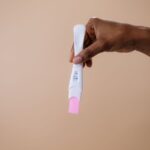
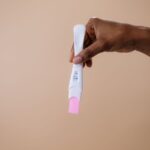



How soon can u take a pregnancy test after a missed period?
If you have already missed your period, you can take a test at any time of day with high accuracy. Most standard home tests are over 99% accurate when used from the first day of a missed period onward. You do not need to wait any longer.
Testing a week after your missed period gives the most definitive result. By this point, hCG levels are high enough that even a very dilute urine sample will show positive if you are pregnant. False negatives at this stage are extremely rare.
Some women have irregular cycles and are not sure when their period is actually due. In that case, the best approach is to wait at least 21 days after unprotected sex before testing. This ensures enough time has passed for hCG to reach detectable levels if pregnancy occurred.
Blood tests at a doctor’s office can detect pregnancy earlier than urine tests. A blood test can pick up hCG as early as 6 to 8 days after ovulation. But these tests are not necessary for most people. Home urine tests are reliable enough when used at the right time.
What can cause a false negative or false positive on a pregnancy test?
False negatives are much more common than false positives. The main causes of false negatives include testing too early, using dilute urine, and not following the test instructions correctly. Some tests need to sit for a specific amount of time before you read the result. Checking too early or too late can give an incorrect reading.
False positives are rare but they do happen. A false positive means the test says you are pregnant when you are not. This can occur if you had a recent miscarriage or abortion, as hCG can remain in your system for weeks. Certain fertility medications that contain hCG can also cause false positives.
Some medical conditions can produce hCG-like substances. These include some ovarian tumors and very rare forms of cancer. If you get a positive test but later find out you are not pregnant, you should follow up with a doctor.
Expired tests or tests stored in extreme heat or humidity can give inaccurate results. Always check the expiration date on the box. Store tests at room temperature and do not use them past their printed date.
| Timing | Accuracy Range | Best Practice |
|---|---|---|
| 6 days before missed period | About 10-25% accurate | Not recommended. Too early. |
| 4 days before missed period | About 50-76% accurate | Only use sensitive tests. Retest later. |
| 1 day before missed period | About 90-95% accurate | Better but still risk of false negative. |
| Day of missed period | Over 99% accurate | Most reliable time to test. |
| 1 week after missed period | Nearly 100% accurate | Most definitive result. |
What should you do after getting a positive or negative result?
If you get a positive result on a home pregnancy test, you are very likely pregnant. False positives are rare with modern tests. You should schedule an appointment with your healthcare provider to confirm the pregnancy with a blood test and to discuss next steps. Start taking a prenatal vitamin with folic acid if you have not already.
If you get a negative result but your period still has not started, wait a few days and test again. Your hCG levels may have been too low to detect on the first test. If you get a second negative and your period is more than a week late, see your doctor. There can be other medical reasons for a missed period.
Some women experience what is called a chemical pregnancy. This is a very early miscarriage that happens shortly after implantation. A home test may show a faint positive, but then your period arrives a few days later. Chemical pregnancies are common and usually do not require medical treatment, but you should mention it to your doctor if it happens.
Do not rely on a single test result if the timing was early. The most common mistake people make is testing too soon, getting a negative, and assuming they are not pregnant. They then miss early prenatal care if they actually are pregnant. Waiting until after a missed period avoids this confusion entirely.
Frequently Asked Questions
Can I take a pregnancy test at night?
Yes, but first morning urine is best for early testing because it is more concentrated. After a missed period, any time of day gives accurate results.
How many days after ovulation can I test?
Most home tests can detect pregnancy about 12 to 14 days after ovulation. Testing earlier than 10 days after ovulation is very likely to give a false negative.
Can a pregnancy test be wrong?
Yes, especially if you test too early. False negatives are common. False positives are rare but possible with certain medications or medical conditions.
Do digital pregnancy tests work the same as line tests?
Digital tests work the same way but show words like “pregnant” instead of a line. They are not more sensitive than good line tests and cost more.
