
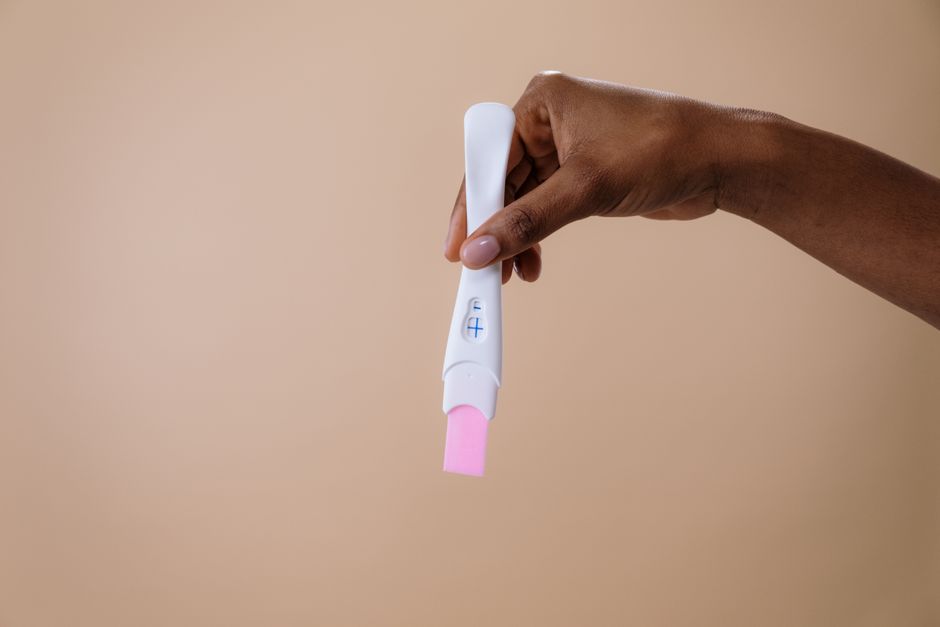
A pregnancy test can show a positive result as early as 10 to 14 days after conception, which is usually around the time your period is due. For the most accurate reading, wait until the first day of a missed period. Tests that claim “early detection” can sometimes work a few days sooner, but your odds of a false negative are higher the earlier you test.
How Soon Would A Pregnancy Test Be Positive After Implantation?
Implantation is when a fertilized egg attaches to the lining of the uterus. This typically happens 6 to 12 days after ovulation. Once implantation occurs, your body starts producing human chorionic gonadotropin (hCG), the hormone that pregnancy tests detect.
It takes about 2 to 3 days after implantation for hCG levels to rise enough for a home test to pick up. So if implantation happens on day 6 after ovulation, you might see a faint positive by day 9 or 10. If implantation happens later, around day 12, your positive result may not show until day 14 or 15. This is why timing varies so much between women. Some people get a clear positive five days before their missed period. Others do not see a line until a week after their period is late. Both can be normal.
What Day After Ovulation Can You Test Positive?
Most home pregnancy tests claim to detect hCG at levels of 25 mIU/mL or higher. For comparison, a blood test at a doctor’s office can detect levels as low as 5 mIU/mL.
Research shows that by 12 days after ovulation, about 90% of pregnant women will have hCG levels above 25 mIU/mL. By 14 days after ovulation, that number climbs to nearly 98%. This is why waiting until the day of your missed period is the most reliable approach. Testing earlier than 10 days after ovulation rarely gives a true positive. If you test at 8 days after ovulation and get a negative, you are not out of the running. You may have simply tested too early. Current research suggests that the earliest reliable positive for most women is around 12 to 14 days after ovulation.
| Days After Ovulation | Likelihood of Positive Test |
|---|---|
| 8-9 days | Low (under 10%) |
| 10-11 days | Moderate (about 50%) |
| 12-13 days | High (about 90%) |
| 14+ days | Very high (over 97%) |
Do Early Detection Tests Really Work?
Early detection tests are designed to pick up lower levels of hCG, sometimes as low as 10 mIU/mL. Brands like First Response Early Result are known for this sensitivity. Some studies suggest they can detect pregnancy up to six days before a missed period.
But there is a catch. Only about half of pregnant women will have hCG levels that high that early. The other half will test negative simply because their hCG is not there yet, not because they are not pregnant. This means early detection tests come with a higher rate of false negatives. If you use one and get a negative, it does not mean you are not pregnant. It just means you tested too soon. A better strategy is to wait until the day of your missed period. If you must test early, use a first-morning urine sample. Your urine is most concentrated then, which gives you the best chance of detecting low hCG levels.

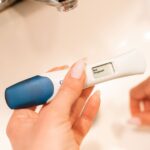
What Can Cause a False Positive or False Negative?
False positives are rare but possible. A false positive means the test says you are pregnant when you are not. This can happen if you have hCG in your system from a fertility medication containing hCG, or from a recent miscarriage or abortion where hCG levels have not yet dropped to zero. Some medical conditions, like ovarian cysts or certain cancers, can also produce hCG. Evaporation lines on a test read too late can look like faint positives. Always read the test within the time window the instructions specify.
False negatives are much more common. They happen when you test too early, use diluted urine, or have a test that is expired or stored improperly. If you test negative but your period does not arrive, wait three days and test again. As of 2026, home pregnancy tests are highly accurate when used correctly — over 99% for detecting pregnancy on the day of your missed period. The error is almost always user timing, not the test itself.
How Soon Would A Pregnancy Test Be Positive After a Missed Period?
If you have already missed your period, a pregnancy test should be positive immediately. By this point, hCG levels are typically high enough for any standard test to detect. Most tests on the market will show a clear positive within minutes.
If you take a test one week after your missed period and it is negative, it is highly unlikely you are pregnant. You may have ovulated later than you thought, which shifted your cycle. Stress, illness, or changes in weight can also delay a period. If you get a negative test and still no period after another week, see your doctor. They can do a blood test, which is more sensitive, or check for other reasons your period is late.
What About Blood Tests at the Doctor?
Blood tests for pregnancy are done in a clinic or lab. They come in two types: qualitative and quantitative. A qualitative blood test simply checks if hCG is present. It gives a yes or no answer, similar to a home test but more sensitive. A quantitative blood test measures the exact amount of hCG in your blood. This is sometimes called a beta hCG test.
Blood tests can detect pregnancy as early as 6 to 8 days after ovulation, which is before most home tests can. They are rarely needed for routine pregnancy confirmation. Doctors usually use them when there is a concern about miscarriage or ectopic pregnancy, or when a woman has irregular cycles and needs precise dating. For most women, a standard home test on the day of a missed period is sufficient. Blood tests are not more accurate for general use — they just detect hCG earlier.
Common Misconceptions About Early Testing
One common myth is that a faint line means you are only slightly pregnant. That is not true. Any visible line, even a faint one, means hCG is present. The line gets darker as hCG rises, but a faint positive is still a positive. Another myth is that drinking a lot of water before testing helps. It does the opposite. Diluted urine can make a test less sensitive, leading to a false negative.
Some people believe that digital tests are more accurate than line tests. They are not. Digital tests use the same chemical technology. They just display the word “pregnant” instead of a line. They are also less sensitive than some line tests, so they may show a negative when a line test would show a faint positive. If you want the earliest possible result, stick with a pink-dye line test, not a blue-dye one. Blue-dye tests are more prone to evaporation lines that look like faint positives.
Frequently Asked Questions
Can a pregnancy test be positive at 7 days past ovulation?
It is very unlikely. Only a small number of women have high enough hCG levels at 7 days past ovulation for a test to detect. Most will not see a positive until day 10 or later.
How long after implantation can I test positive?
About 2 to 3 days after implantation, hCG levels are usually high enough for a home test to detect. Implantation itself happens 6 to 12 days after ovulation.
Can I get a positive test 3 days before my period?
Yes, some early detection tests can show a positive 3 to 4 days before your period is due. But many women will still test negative at that point even if they are pregnant.
What does a faint positive line mean?
A faint positive line means hCG is present in your urine. It is a real positive, not a sign of low pregnancy. The line will likely get darker over the next few days as hCG rises.
