
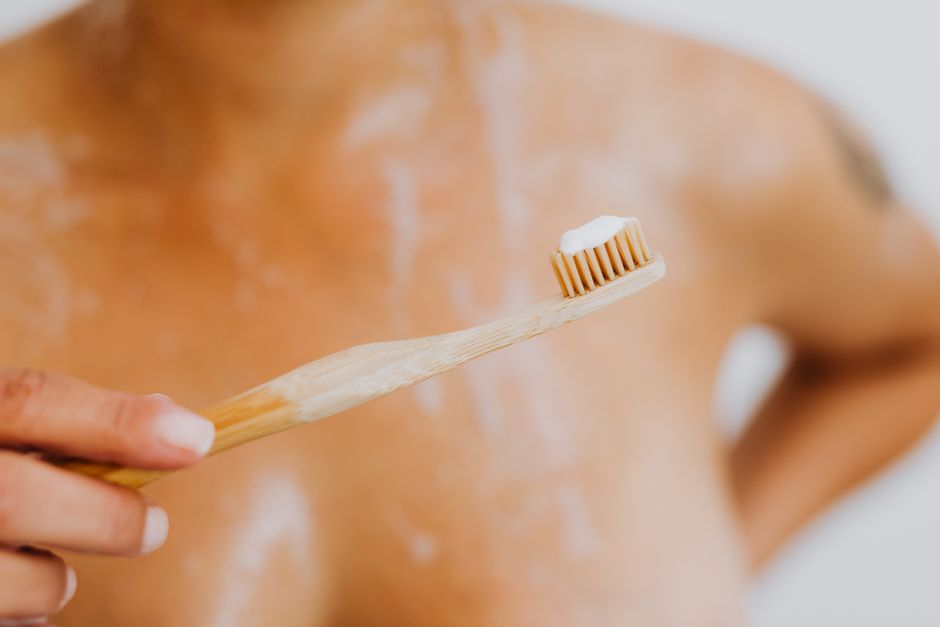
Pregnancy changes a lot about your body, and your mouth is no exception. You need a toothpaste that protects your teeth without harming your baby. The short answer: most standard fluoride toothpastes from major brands are safe to use during pregnancy. The American Dental Association and the American College of Obstetricians and Gynecologists both confirm fluoride toothpaste is safe and recommended for pregnant women. The real concern is not fluoride — it is what you should avoid, like whitening agents and certain antibacterial ingredients. Let us walk through what the research actually says.
Is Fluoride Toothpaste Safe During Pregnancy?
Yes, fluoride toothpaste is safe during pregnancy. This is one of the most settled questions in dental health. Research shows that fluoride helps prevent cavities, and pregnancy actually increases your risk for tooth decay. Hormonal changes can make your gums swell and bleed, which makes plaque removal harder. Fluoride directly fights that plaque.
Some pregnant women worry about swallowing toothpaste. That is understandable but not a real concern with the pea-sized amount dentists recommend. You would need to swallow an entire tube of toothpaste repeatedly to get enough fluoride to cause harm. That simply does not happen in normal use. Spit out the excess and rinse. You are fine.
The only real caution is for women with certain thyroid conditions. Some research suggests very high fluoride intake could affect thyroid function. But again, normal toothpaste use is not high intake. If you have a thyroid condition, ask your doctor. For everyone else, fluoride toothpaste is the safest choice for your teeth.
What Toothpaste Ingredients Should You Avoid While Pregnant?
Not all toothpaste ingredients are equal. Some you should skip during pregnancy. Here is what the evidence says:
- Sodium lauryl sulfate (SLS) — This foaming agent is not dangerous, but it can irritate sensitive gums. Pregnancy often makes gums more sensitive. SLS-free toothpaste is an easy swap if your mouth feels raw after brushing.
- Hydrogen peroxide in whitening toothpastes — The amount in toothpaste is low, but there is no good safety data for daily use during pregnancy. Most dentists recommend avoiding whitening products until after delivery. Stick with plain toothpaste.
- Triclosan — This antibacterial ingredient was common in some toothpaste brands. The FDA banned it from hand soap, but it is still allowed in toothpaste. Research on triclosan during pregnancy is limited. Some animal studies raised concerns about hormone disruption. Most major brands have removed it. Check the label to be sure.
- Charcoal and abrasive whitening agents — These are not toxic, but they can wear down enamel over time. Pregnancy already softens enamel for some women. There is no benefit to using them now. Save the charcoal toothpaste for later.
The bottom line: stick with a simple fluoride toothpaste without whitening agents or triclosan. That covers almost all standard options from Crest, Colgate, Sensodyne, and store brands.
Is Natural Toothpaste a Better Choice for Pregnancy?
Natural toothpastes are popular, but they are not automatically better for pregnancy. Many natural brands skip fluoride entirely. That is a problem. Fluoride is the most proven ingredient for cavity prevention. Without it, you lose that protection right when your teeth are most vulnerable.
Some natural toothpastes use baking soda, coconut oil, or xylitol as cleaning agents. These can remove plaque, but they do not strengthen enamel the way fluoride does. Xylitol has some evidence for reducing cavity-causing bacteria, but it is not a replacement for fluoride. If you choose a natural toothpaste, make sure it contains fluoride. Several natural brands now offer fluoride versions.
One thing natural toothpastes often avoid is SLS and artificial flavors. That can be helpful if you have pregnancy-related nausea or mouth sensitivity. Some women find strong mint flavors trigger their gag reflex. Natural brands often have milder flavors or unflavored options. That is a legitimate reason to switch, as long as you still get fluoride.
Current research suggests there is no harm in using a fluoride-free natural toothpaste — but there is also no benefit for cavity prevention. If you have a history of cavities, stick with fluoride. If your teeth are healthy and you brush well, a fluoride-free natural option is reasonable. Just know you are trading some protection for other benefits.


Does Pregnancy Gingivitis Change What Toothpaste You Should Use?
Pregnancy gingivitis is real. About 60 to 75 percent of pregnant women experience it. Your gums become red, swollen, and bleed easily. This happens because hormonal changes increase blood flow to your gums and change how your body reacts to plaque. It is not caused by bad brushing. It is caused by pregnancy.
Does this mean you need special toothpaste? Not really. The most important thing is to keep brushing thoroughly even if your gums bleed. Bleeding gums often make people brush less in that area, which makes the problem worse. A soft-bristled toothbrush helps. So does a toothpaste without SLS, which can irritate swollen gums.
Some toothpastes market themselves as “gum health” formulas. These often contain stannous fluoride instead of sodium fluoride. Stannous fluoride has some evidence for reducing gum inflammation. A 2019 study found it reduced gingivitis more than sodium fluoride alone. That is a reasonable choice if your gums are bothering you. But any fluoride toothpaste paired with good brushing technique will work.
If your gums are very painful or bleed heavily, see your dentist. Pregnancy gingivitis can progress to periodontitis, which has been linked to preterm birth. A professional cleaning is safe during pregnancy and often helps more than changing toothpaste.
What About Fluoride-Free Toothpaste for Morning Sickness?
Morning sickness changes the calculus for some women. Vomiting exposes your teeth to stomach acid. That acid softens enamel temporarily. Brushing immediately after vomiting can actually scrub away softened enamel. The recommendation is to rinse with water or a baking soda solution first, then wait 30 minutes before brushing.
Some women find that the taste or texture of regular toothpaste triggers nausea. That is a real problem. If you cannot keep toothpaste in your mouth, you are not getting any benefit from it. In this case, a bland or unflavored toothpaste is better than skipping brushing entirely. Some brands make unflavored toothpaste specifically for this reason.
If you use a fluoride-free toothpaste during the first trimester because of nausea, that is understandable. Just switch back to fluoride toothpaste once the nausea passes. The first trimester is important for baby development, but your teeth need protection throughout pregnancy. Do not stay on a fluoride-free option longer than necessary.
As of 2026, there is no clinical evidence that any specific toothpaste brand is best for pregnancy nausea. It comes down to personal tolerance. Try a few options until you find one you can use consistently. Consistency matters more than the brand.
Comparison of Common Toothpaste Types for Pregnancy
| Type | Safe for Pregnancy? | Best For | What to Watch For |
|---|---|---|---|
| Fluoride toothpaste (standard) | Yes | Cavity prevention, overall safety | SLS may irritate sensitive gums |
| Whitening toothpaste | Limited data | Stain removal (not needed now) | Hydrogen peroxide, enamel wear |
| Natural toothpaste with fluoride | Yes | Milder flavors, SLS-free options | Check for fluoride content |
| Natural toothpaste without fluoride | Yes, but less effective | Nausea, sensitivity to additives | No cavity protection |
| Triclosan-containing toothpaste | Best avoided | None over standard fluoride | Limited safety data in pregnancy |
| Charcoal toothpaste | Yes, but not recommended | None proven | Enamel abrasion, no fluoride |
Frequently Asked Questions About What Toothpaste Is Safe For Pregnancy Fluoride And More
Can I use whitening strips while pregnant?
Most dentists recommend avoiding whitening strips during pregnancy. There is not enough research on how the peroxide in whitening products affects a developing baby.
Should I switch to a toothpaste with more fluoride while pregnant?
No, standard fluoride toothpaste with 1,000 to 1,500 ppm fluoride is sufficient. Higher fluoride toothpastes are prescription-only and only needed for specific conditions.
Is baking soda toothpaste safe during pregnancy?
Yes, baking soda toothpaste is safe. It is mildly abrasive and can help clean teeth, but it does not contain fluoride unless stated on the label.
What should I do if toothpaste makes me gag during pregnancy?
Try an unflavored or mild-flavored toothpaste. Brush with a smaller amount. Some women find brushing without toothpaste and using a fluoride rinse separately helps.
