
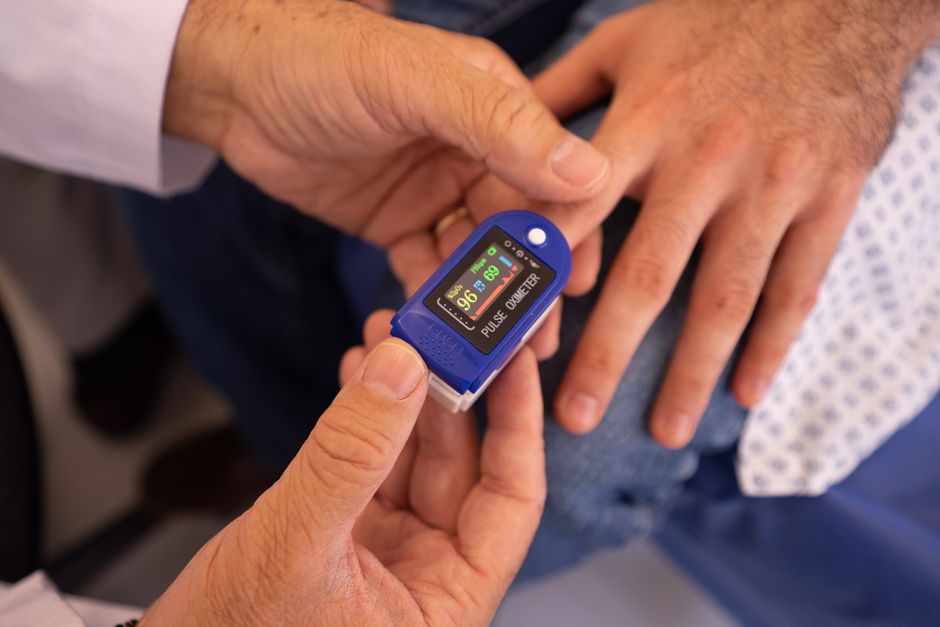
A normal PaO2 level for blood oxygen is typically between 75 and 100 mmHg when measured by an arterial blood gas test. This number tells you how well your lungs are moving oxygen from the air into your blood. Levels below 75 mmHg may signal a problem with gas exchange in your lungs, while levels below 60 mmHg are generally considered low and often require medical attention.
What Exactly Does PaO2 Measure?
PaO2 stands for partial pressure of oxygen in arterial blood. It measures the pressure of oxygen dissolved in your blood plasma, not the oxygen attached to hemoglobin. This is a key distinction that many people miss.
Your pulse oximeter measures something different — oxygen saturation (SpO2), which is the percentage of hemoglobin carrying oxygen. PaO2 and SpO2 are related but not the same thing. Think of PaO2 as the pressure pushing oxygen into your tissues and SpO2 as the storage capacity being used.
An arterial blood gas test, which measures PaO2, is the gold standard for assessing lung function. It requires a blood sample from an artery, usually in your wrist. This test is more invasive than a finger clip but gives far more detailed information.
What Is A Normal Pao2 Level For Blood Oxygen by Age and Health
Normal PaO2 values change as you age. The commonly cited range of 80 to 100 mmHg applies mostly to healthy young adults. For someone over 60, a PaO2 of 70 mmHg may be perfectly normal. For someone over 80, levels in the mid-60s can be expected.
Research published in the journal Chest found that PaO2 declines roughly 0.4 mmHg per year after age 20. This happens because lung tissue naturally stiffens and the surface area for gas exchange decreases over time.
Other factors affect what is normal for you personally:
- Altitude — people living at high elevations naturally have lower PaO2 levels
- Smoking history — long-term smoking damages the air sacs and lowers PaO2
- Chronic lung conditions — COPD, pulmonary fibrosis, and asthma all shift the normal range
- Heart function — conditions that affect blood flow through the lungs can lower PaO2
Your doctor interprets your PaO2 result in context. A single number means little without knowing your age, your baseline health, and the conditions under which the test was taken.
How PaO2 Compares to SpO2 and Other Oxygen Measurements
Understanding the difference between oxygen measurements helps you make sense of your test results. Here is a quick comparison of the three main ways oxygen is measured:
| Measurement | What It Tells You | Normal Range | How It’s Measured |
|---|---|---|---|
| PaO2 | Pressure of oxygen dissolved in blood plasma | 75-100 mmHg (varies by age) | Arterial blood gas test |
| SpO2 | Percentage of hemoglobin carrying oxygen | 95-100% | Pulse oximeter |
| SaO2 | Actual oxygen saturation from arterial blood | 95-100% | Arterial blood gas test |
PaO2 and SpO2 follow a relationship called the oxygen-hemoglobin dissociation curve. When PaO2 drops from 100 to 80 mmHg, SpO2 barely changes. But once PaO2 falls below 60 mmHg, SpO2 drops rapidly. This is why pulse oximeters can miss early signs of oxygen problems — they stay high until PaO2 is already quite low.
The CDC reports that pulse oximeters can also be less accurate in people with darker skin. A 2020 study in the New England Journal of Medicine found that Black patients were nearly three times more likely to have hidden low oxygen levels missed by pulse oximetry compared to white patients.

What Causes Low PaO2 Levels?
Low PaO2 is called hypoxemia. There are five main mechanisms that cause it, and each points to a different underlying problem.
Ventilation-perfusion mismatch is the most common cause. This happens when parts of your lung get air but not enough blood flow, or blood flow but not enough air. Pneumonia, COPD, and pulmonary embolism all cause this type of mismatch.
Hypoventilation means you are not breathing enough to clear carbon dioxide and bring in oxygen. This can happen from opioid overdoses, severe obesity, or neuromuscular diseases that weaken the breathing muscles.
Diffusion impairment occurs when the membrane between your air sacs and blood vessels thickens. Oxygen cannot cross easily. Pulmonary fibrosis is a classic example.
Shunt is when blood bypasses the lungs entirely or passes through unventilated parts of the lung. This is the hardest type of hypoxemia to fix with supplemental oxygen alone.
Low inspired oxygen means the air you breathe simply does not have enough oxygen. This happens at high altitudes or in enclosed spaces with poor air circulation.
When Should You Be Concerned About Your PaO2 Level?
Medical guidelines generally consider a PaO2 below 60 mmHg as the threshold for respiratory failure. At this level, supplemental oxygen is usually needed to keep organs functioning properly.
A PaO2 between 60 and 75 mmHg is borderline. Whether this needs treatment depends on your symptoms and your overall health. Some people with chronic lung disease walk around with PaO2 in the high 50s and feel fine because their bodies have adapted.
Signs that your oxygen level may be low include:
- Shortness of breath that gets worse with activity
- Confusion or trouble concentrating
- Rapid breathing or feeling like you cannot catch your breath
- Blue or gray tint to your lips, fingernails, or skin
- Dizziness or lightheadedness
If you experience these symptoms, do not rely on a home pulse oximeter alone. Seek medical evaluation. An arterial blood gas test gives the full picture that a finger clip cannot provide.
Some people report that wearing a smartwatch or fitness tracker gives them oxygen readings. These devices are not medical grade. They can be useful for spotting trends but should not replace proper testing if you are concerned about your lung health.
Common Misconceptions About Blood Oxygen Levels
A widespread myth is that 100% oxygen saturation is always better. It is not. In healthy people, SpO2 normally sits between 96% and 99%. A reading of 100% on room air is possible but not necessary. The body has built-in safeguards against oxygen toxicity, and breathing high concentrations of oxygen for long periods can actually damage lung tissue.
Another common misunderstanding is that a normal pulse oximeter reading means your lungs are fine. This is not always true. As explained earlier, SpO2 can remain normal even when PaO2 has dropped significantly. This is especially relevant for people with COPD who retain carbon dioxide — their pulse ox may look fine while their blood gas tells a different story.
There is also no clinical evidence that checking your oxygen level at home is useful for healthy people without symptoms. The American Thoracic Society does not recommend routine home pulse oximetry for the general public. It creates unnecessary anxiety and can lead to false reassurance if the device is inaccurate.
As of 2026, there is no evidence that any supplement, breathing exercise, or device can permanently raise your baseline PaO2 if you have healthy lungs. Your body already optimizes oxygen levels naturally. Claims that certain products “boost blood oxygen” are not supported by quality research.
Frequently Asked Questions
What is the difference between PaO2 and SpO2?
PaO2 measures the pressure of oxygen dissolved in blood plasma using an arterial blood gas test. SpO2 estimates the percentage of hemoglobin carrying oxygen using a pulse oximeter.
What PaO2 level requires oxygen therapy?
A PaO2 below 60 mmHg is the standard threshold for prescribing supplemental oxygen. Some patients with chronic conditions may start oxygen at slightly higher levels if they have symptoms.
Can a pulse oximeter measure PaO2?
No, a pulse oximeter cannot measure PaO2. It only measures SpO2, which is an estimate of oxygen saturation. Only an arterial blood gas test can measure PaO2 directly.
Does age affect normal PaO2 levels?
Yes, PaO2 naturally declines with age. A normal level for a 70-year-old may be 70 mmHg, while a 30-year-old would typically have a level above 80 mmHg.
