
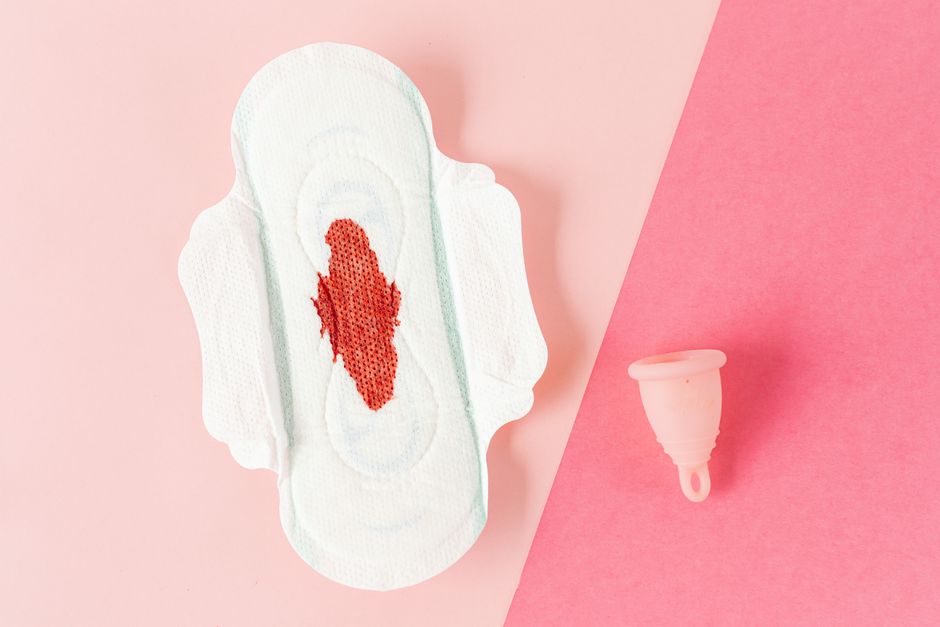
During a miscarriage, passing some blood clots is normal. However, there is no single “normal” number that applies to everyone. The amount and size of clots depend heavily on how far along the pregnancy was and how the miscarriage progresses. As a general rule, clots larger than a lemon or heavy bleeding that soaks through a pad in an hour are not normal and require medical attention.
What Causes Blood Clots During a Miscarriage?
Blood clots form when the body tries to stop bleeding. During a miscarriage, the uterus contracts to expel the pregnancy tissue. This process can cause the blood vessels in the uterine lining to bleed. The body naturally forms clots to control that bleeding.
The clots themselves are a mix of blood cells, fibrin (a protein that helps clotting), and tissue from the uterine lining. Some women pass many small clots. Others pass a few larger ones. Both can be part of a normal miscarriage.
It is important to understand that the clots are not the pregnancy tissue itself. The tissue is usually grayish or white and may be mixed in with the blood and clots. Many women mistake tissue for a large clot.
How Many Blood Clots Are Normal During a Miscarriage?
There is no firm number that doctors give for how many blood clots are normal. The range varies widely. Some women pass only a few small clots over several days. Others pass several large clots in a few hours. Both scenarios can be within the normal range.
The more important measure is the total amount of bleeding. A typical miscarriage involves bleeding similar to a heavy period. You might soak through 1 to 2 pads per hour for a few hours at the peak. After that, bleeding should slow down. Clots may be the size of a grape or a golf ball. Passing clots larger than a lemon is a reason to call your doctor.
Research published in the journal Obstetrics & Gynecology notes that bleeding during a miscarriage is highly variable. The key factor is whether the bleeding is getting lighter over time. If bleeding stays heavy or gets worse, that is a sign something may be wrong.
When Should You Worry About Blood Clot Size or Amount?
You should seek medical help if you pass clots larger than a lemon. You should also seek help if you soak through more than one pad per hour for two hours in a row. These are signs of heavy bleeding that may require treatment.
Other warning signs include severe cramping that does not improve with over-the-counter pain medication, feeling lightheaded or faint, or having a fever. These symptoms can indicate retained tissue or an infection.
The American College of Obstetricians and Gynecologists (ACOG) advises that any bleeding that soaks through two pads in an hour for two consecutive hours is considered heavy and needs evaluation. This is a clear guideline that many women do not know. It is a better measure than counting clots.




How Does Bleeding Compare Between Early and Late Miscarriage?
Early miscarriage, before 12 weeks, often involves lighter bleeding and smaller clots. The pregnancy is smaller, so there is less tissue to pass. Bleeding may be similar to a heavy period with some clotting.
Late miscarriage, between 12 and 20 weeks, typically involves heavier bleeding and larger clots. The uterus has grown more and contains more blood vessels. Passing the tissue may require stronger contractions and result in more blood loss.
| Miscarriage Timing | Typical Bleeding | Typical Clot Size |
|---|---|---|
| Before 12 weeks | Heavy period-like, 3-7 days | Grape to golf ball |
| 12-20 weeks | Heavier, may require pads | Golf ball to lemon |
| After 20 weeks | Very heavy, medical supervision needed | Can exceed lemon size |
This table shows general patterns. Every woman’s experience is different. The most important thing is to monitor the trend of your bleeding, not just the size of individual clots.
What Does the Research Say About Managing Bleeding at Home?
Many miscarriages can be managed at home without medical intervention. This is called expectant management. Research shows that about 80% of early miscarriages complete on their own within two weeks. The body naturally expels the tissue and the bleeding stops.
However, heavy bleeding is the main reason women end up needing medical treatment. A study in the New England Journal of Medicine found that women who passed clots larger than a lemon were more likely to need a procedure called a dilation and curettage (D&C) to stop the bleeding. This is why monitoring clot size is important.
The CDC reports that about 10-15% of recognized pregnancies end in miscarriage. Most of these do not require emergency care. But knowing the warning signs can prevent complications like severe anemia or infection.
Some women choose medication to speed up the process. Misoprostol is commonly used. It causes stronger contractions and can result in more clots initially. This is expected but should still follow the same rules about clot size and bleeding volume.
What to Avoid and Common Misconceptions
A common myth is that passing many blood clots means the miscarriage is “more complete.” This is not true. The number of clots does not tell you whether all tissue has been passed. Only an ultrasound can confirm that.
Another misconception is that you should take aspirin or ibuprofen to help with clotting. Do not do this. Ibuprofen and aspirin can increase bleeding risk. They are fine for cramping but should be used as directed. Acetaminophen (Tylenol) is safer for pain during a miscarriage.
Avoid using tampons during a miscarriage. Use pads only. Tampons can introduce bacteria into the cervix and increase infection risk. They also make it harder to see how much you are bleeding.
Do not assume that heavy bleeding means you are dying. Most miscarriages, even with heavy bleeding, are not life-threatening. But heavy bleeding is the number one reason to call your doctor. It is better to over-communicate than to wait too long.
- Do not use tampons or menstrual cups during a miscarriage.
- Do not take ibuprofen or aspirin for cramping without checking with your doctor.
- Do not assume passing many clots means the miscarriage is over.
- Do not wait to call your doctor if bleeding soaks a pad in under an hour.
- Do not ignore signs of infection like fever or foul-smelling discharge.
Frequently Asked Questions
How many blood clots are normal during a miscarriage?
There is no exact number, but passing clots smaller than a lemon over several days is common. The total amount of bleeding matters more than the clot count.
Can you pass a clot the size of a golf ball during a miscarriage?
Yes, golf ball-sized clots can be normal, especially during a later miscarriage. Clots larger than a lemon or that cause very heavy bleeding require medical attention.
How long do blood clots last during a miscarriage?
Clots typically pass for 1 to 3 days during the heaviest part of the bleeding. Spotting and small clots may continue for up to two weeks after the main bleeding stops.
Should I go to the ER for large blood clots during a miscarriage?
Go to the ER if you soak through more than one pad per hour for two hours or pass clots larger than a lemon. Also go if you feel faint or have severe pain.
