
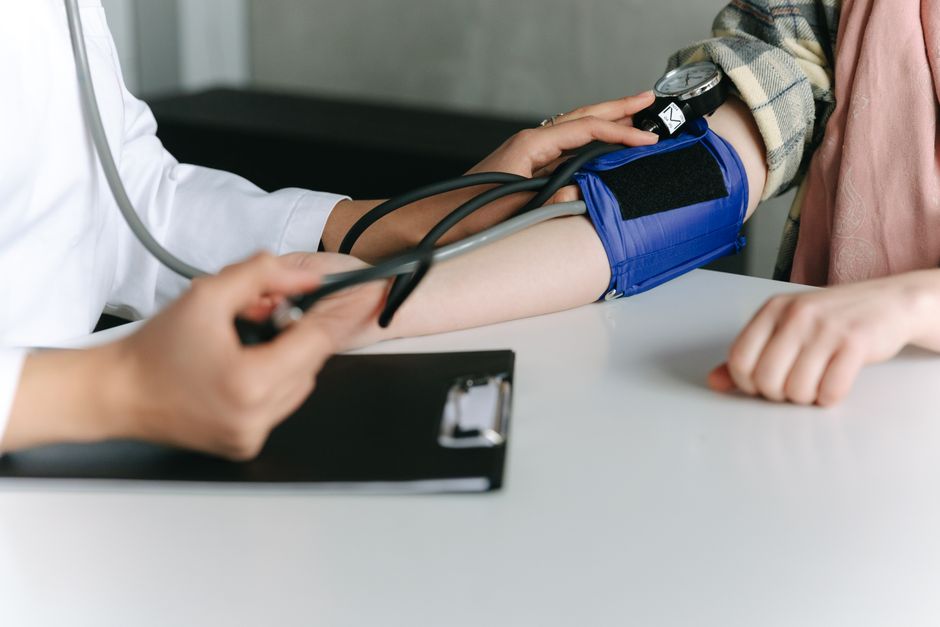
In 2017, the American Heart Association and the American College of Cardiology changed what doctors consider normal blood pressure. The new normal blood pressure range is anything below 120/80 mm Hg. Any reading between 120-129 systolic (the top number) and less than 80 diastolic (the bottom number) is now called “elevated.” This change was not random. It was based on research showing that damage to blood vessels begins at levels previously considered normal.
What Is The New Normal Blood Pressure Range and Why Did It Change?
The new normal blood pressure range is below 120/80 mm Hg. This is the standard set by the American Heart Association and the American College of Cardiology in 2017. Before that, 140/90 was considered the cutoff for high blood pressure. Many people were told their 130/85 reading was fine. Research has since shown it was not fine.
The change came from a major study called SPRINT (Systolic Blood Pressure Intervention Trial). The National Institutes of Health funded this study. It found that people who lowered their systolic pressure to around 120 had significantly fewer heart attacks, strokes, and deaths compared to those who aimed for 140. The benefits were clear enough that the study was stopped early. The new categories reflect this evidence.
The categories now look like this:
- Normal: Systolic less than 120, Diastolic less than 80
- Elevated: Systolic 120-129, Diastolic less than 80
- Stage 1 Hypertension: Systolic 130-139, Diastolic 80-89
- Stage 2 Hypertension: Systolic 140 or higher, Diastolic 90 or higher
- Hypertensive Crisis: Systolic over 180, Diastolic over 120
This reclassification instantly moved millions of Americans into a higher category. The CDC estimates that nearly half of U.S. adults have high blood pressure under these guidelines. That number sounds alarming. But the intention was not to scare people. It was to catch problems earlier, when lifestyle changes can still make a big difference.
What Does a Blood Pressure Reading of 130/85 Mean Now?
A reading of 130/85 is no longer considered normal. Under the current guidelines, 130/85 falls into Stage 1 Hypertension. The systolic number (130) is the key. That puts you in the 130-139 range. The diastolic number (85) is also in the 80-89 range. Both numbers confirm Stage 1.
Many people find this confusing because their doctor may not have explained the change. Some older adults were told for years that 130/85 was fine for their age. That advice is outdated. The evidence does not support age-based exceptions for blood pressure targets. The same normal range applies to adults over 65 as it does to younger adults, with some clinical judgment for very frail individuals.
If you have a reading of 130/85, it does not mean you need medication immediately. The guidelines recommend lifestyle changes first for Stage 1 hypertension, unless you have other risk factors like diabetes or kidney disease. The key is to take it seriously and not dismiss it as “borderline.” The SPRINT trial showed that lowering that number to around 120 reduces cardiovascular risk.
How Is Blood Pressure Measured Correctly?
A single high reading at the doctor’s office does not mean you have high blood pressure. Many people experience “white coat hypertension” where anxiety raises their numbers. The reverse also exists. Some people have normal readings in the clinic but high readings at home. This is called “masked hypertension.”
Proper measurement is critical. The American Heart Association recommends sitting quietly for at least five minutes before the reading. Your feet should be flat on the floor. Your back should be supported. Your arm should be at heart level on a table. The cuff should be on bare skin, not over clothing. Do not talk during the measurement.
Home monitoring is now strongly recommended. A validated automatic monitor with an upper arm cuff is the most accurate. Wrist and finger monitors are less reliable and the evidence does not support their routine use. Take two readings one minute apart each morning and evening for a week. Average those numbers. This gives a much truer picture than a single clinic reading.


What Lifestyle Changes Actually Lower Blood Pressure?
Many claims about lowering blood pressure are overhyped. The evidence for some interventions is strong. For others, it is weak. Here is what the research actually shows.
Sodium reduction has the strongest evidence. The DASH diet (Dietary Approaches to Stop Hypertension) is the most studied eating pattern. The National Heart, Lung, and Blood Institute developed it. It emphasizes fruits, vegetables, whole grains, and low-fat dairy while limiting red meat, sugar, and saturated fat. Reducing sodium to under 2,300 mg per day helps. Dropping to 1,500 mg per day has an even greater effect, especially for people over 50.
Weight loss is also well-supported. Losing even 5 to 10 pounds can lower systolic pressure by 5 to 20 mm Hg. This is not linear for everyone, but the relationship between body weight and blood pressure is consistent across populations. The effect is most noticeable in people who are significantly overweight.
Physical activity works. The American College of Sports Medicine recommends at least 150 minutes of moderate aerobic exercise per week. Brisk walking, cycling, and swimming all count. Resistance training also helps but is not as potent as aerobic exercise for blood pressure specifically.
Potassium intake matters. Increasing potassium-rich foods like bananas, potatoes, spinach, and beans can help lower blood pressure. But people with kidney disease should not increase potassium without medical supervision. This is one of those cases where a general recommendation does not apply to everyone.
Alcohol reduction has a clear effect. The CDC states that limiting alcohol to one drink per day for women and two for men can lower blood pressure. Binge drinking raises it acutely. Some people report that even moderate alcohol raises their pressure. That is plausible and worth testing individually.
What does not work well? Stress reduction techniques like meditation and deep breathing are widely claimed to lower blood pressure. The evidence is mixed and the effect size is small. Some people report benefits, but strong evidence from large trials is limited. Do not rely on deep breathing alone if your numbers are high.
What About Blood Pressure Medications?
Medication is not a failure. Many people need it, especially as they age. The risk of cardiovascular disease increases with age, and blood pressure tends to rise. The decision to start medication depends on your numbers and your overall risk profile.
For people with Stage 1 hypertension and no other cardiovascular risk factors, lifestyle changes are tried first for several months. If the numbers do not come down, medication is typically added. For people with Stage 2 hypertension or those with diabetes, kidney disease, or known heart disease, medication is often started immediately alongside lifestyle changes.
There are several classes of blood pressure medications. Thiazide diuretics, ACE inhibitors, angiotensin receptor blockers (ARBs), and calcium channel blockers are all first-line options. Beta-blockers are no longer considered first-line unless there is a specific reason like heart failure or prior heart attack.
The common side effects vary by class. Diuretics can cause frequent urination and low potassium. ACE inhibitors can cause a dry cough. ARBs are less likely to cause cough and are often used as an alternative. Calcium channel blockers can cause ankle swelling and constipation. Most side effects are manageable. If one medication does not work well, another often will.
Do not stop blood pressure medication without medical supervision. Abrupt withdrawal can cause a dangerous spike in blood pressure called rebound hypertension. This can be worse than the original condition.
Common Misconceptions About Blood Pressure
One persistent myth is that normal blood pressure varies by age. It does not. The target of below 120/80 applies to adults of all ages, including those over 65. Some doctors still use age-adjusted targets, but the major guidelines no longer support this for most patients. The exception is very frail older adults or those with limited life expectancy, where aggressive treatment may cause more harm than benefit.
Another myth is that low blood pressure is always good. It is not. Symptoms of low blood pressure include dizziness, fainting, blurred vision, and fatigue. If your systolic pressure drops below 90 or you have symptoms, it is worth discussing with your doctor. Extremely low pressure can reduce blood flow to vital organs.
Caffeine is often blamed for raising blood pressure. It does cause a temporary spike, but regular coffee drinkers develop tolerance. The evidence does not show a strong link between long-term coffee consumption and chronic hypertension. If you have high blood pressure, you do not need to quit coffee unless it makes you feel jittery or anxious.
Salt sensitivity varies by person. Some people experience a large blood pressure increase from salt. Others show little change. The general recommendation to reduce sodium applies to everyone, but the magnitude of benefit is not the same for all individuals. You cannot know your sensitivity without testing it.
Frequently Asked Questions
What is the new normal blood pressure range?
The new normal blood pressure range is below 120/80 mm Hg. This was established by the American Heart Association and American College of Cardiology in 2017.
Is 130/80 considered high blood pressure?
Yes, 130/80 is considered Stage 1 hypertension under current guidelines. This means the systolic number is in the 130-139 range and the diastolic is 80 or higher.
Can I lower my blood pressure without medication?
Yes, many people can lower blood pressure through diet, exercise, weight loss, and sodium reduction. The DASH diet and regular aerobic exercise have the strongest evidence.
How often should I check my blood pressure at home?
Take two readings one minute apart each morning and evening for one week. This gives a reliable average. Check with your doctor about how often to repeat this.
