
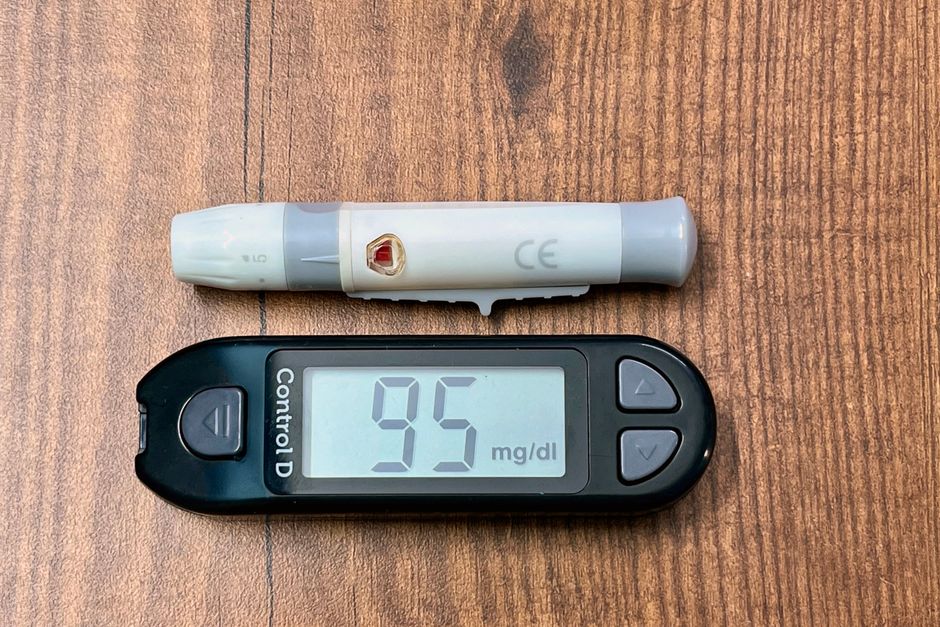
A blood sugar reading of 84 mg/dL sits squarely within the normal fasting range for most people. It is not low blood sugar. It is not high blood sugar. It is a healthy, unremarkable number that your body works hard to maintain. Many people worry when they see a number like 84 because they have heard that “low” starts below 70 or they feel symptoms that make them think something is wrong. The truth is simpler and more reassuring than most online content suggests.
Is 84 Low Blood Sugar Normal Range Explained? What the Numbers Actually Mean
Blood sugar is measured in milligrams per deciliter (mg/dL) in the United States. A normal fasting blood glucose level is between 70 and 100 mg/dL according to the American Diabetes Association. A reading of 84 mg/dL falls right in the middle of that healthy range. It is not hypoglycemia. It is not prediabetes. It is a sign your body is managing glucose well.
Some labs use a slightly tighter normal range of 70 to 99 mg/dL. Even by that stricter standard 84 is still perfectly normal. The confusion often comes from people mixing up fasting levels with post-meal levels. After eating blood sugar can rise to 140 mg/dL or higher and that is also normal. But fasting — meaning no food for at least eight hours — 84 is exactly where you want to be.
If someone tells you 84 is low they are likely thinking of hypoglycemia which is defined as blood sugar below 70 mg/dL. That is a different situation entirely. A reading of 84 is not close to that threshold.
What Causes Blood Sugar to Be 84?
Your body regulates blood sugar through a precise system involving insulin glucagon and other hormones. When you have not eaten for several hours your liver releases stored glucose to keep levels steady. A reading of 84 simply means this system is working correctly.
Several factors can influence where your number lands within the normal range. Physical activity within the past 12 to 24 hours can lower fasting glucose slightly. A recent meal with balanced protein and fiber can keep morning levels in the mid-80s. Even the time of day matters — blood sugar tends to be lowest in the early morning before you eat.
Some people naturally run in the 80s and others in the 90s. Genetics play a role. So does body composition. People with more muscle mass tend to have better insulin sensitivity which can result in lower fasting numbers. The key point is that 84 is not a sign of anything wrong. It is a sign of normal function.
When 84 Might Be a Concern for Certain People
For most people 84 is ideal. But context matters. If you have diabetes and take medication that lowers blood sugar — especially insulin or sulfonylureas — a reading of 84 might be a sign that your dose needs adjustment. Not because 84 is dangerous. It is not. But because your treatment plan might be pushing you lower than intended.
Some people with diabetes aim for a fasting range of 80 to 130 mg/dL. In that case 84 is fine. But if you are consistently hitting 84 and your target is higher your doctor might reduce your medication slightly. This is not about 84 being bad. It is about matching treatment to your personal goals.
People who have had gastric bypass surgery or other weight loss procedures sometimes experience reactive hypoglycemia. Their blood sugar drops sharply a few hours after eating. A fasting reading of 84 is not a problem for them. But if they feel shaky or dizzy after meals that is a separate issue that needs evaluation. The fasting number alone does not tell the full story.





What the Research Actually Shows About Normal Blood Sugar
Large population studies have established the normal fasting range. The National Health and Nutrition Examination Survey (NHANES) has tracked blood sugar levels in thousands of Americans for decades. The data consistently shows that people without diabetes have fasting glucose levels between 70 and 100 mg/dL with most falling in the 80s and 90s.
Research published in the Journal of Clinical Endocrinology and Metabolism found that fasting glucose levels in the 80s are associated with the lowest risk of developing type 2 diabetes over time. Levels above 95 mg/dL begin to carry slightly higher risk even if they are still technically normal. So 84 is not just normal. It is actually in the sweet spot for long-term metabolic health.
There is no evidence that a fasting level of 84 causes any symptoms or health problems. If you feel symptoms like shakiness or confusion at 84 the cause is likely something else — anxiety dehydration or a different metabolic issue. Blood sugar at 84 does not trigger the body’s stress response. That typically happens below 70 mg/dL.
Common Misconceptions About Low Blood Sugar and the 84 Reading
The biggest myth is that any number below 100 is “low.” That is not true. The normal range extends from 70 to 100. A reading of 84 is not low. It is not borderline. It is not a warning sign. It is simply normal.
Another misconception is that symptoms always match blood sugar levels. Some people feel shaky or lightheaded and assume their blood sugar must be low. But when they check it is 84. This happens because anxiety can produce the same physical sensations as hypoglycemia. Racing heart sweating and dizziness can come from stress not from glucose levels.
A third myth is that lower is always better. That is false too. Blood sugar below 70 mg/dL is dangerous. It can cause confusion loss of consciousness and seizures. The goal is not to drive glucose as low as possible. The goal is to keep it in the normal range. Eighty-four is right there.
Here is a quick comparison of what different fasting numbers mean:
| Fasting Blood Sugar (mg/dL) | What It Means |
|---|---|
| Below 70 | Hypoglycemia — requires immediate attention |
| 70 to 99 | Normal — healthy range |
| 84 | Normal — well within healthy range |
| 100 to 125 | Prediabetes — elevated fasting glucose |
| 126 or higher | Diabetes — requires medical evaluation |
What to Do If You Are Worried About Your Blood Sugar
If your blood sugar is 84 and you feel fine there is nothing to do. You are in good metabolic shape. If you feel symptoms at 84 the first step is to check your meter or lab test for accuracy. Home glucose monitors can be off by 10 to 15 percent. A reading of 84 might actually be 95 or 75. If symptoms persist despite normal readings talk to your doctor about other causes.
If you are checking your blood sugar because you are concerned about diabetes a fasting level of 84 is excellent news. It does not guarantee you will never develop diabetes. But it puts you in the lowest risk category. Maintaining that level involves the same habits that support overall health:
- Eating balanced meals with protein fiber and healthy fats
- Staying physically active most days of the week
- Getting enough sleep — poor sleep raises fasting glucose
- Managing stress levels which affect hormones that control blood sugar
If you have diabetes and your blood sugar is 84 do not overcorrect. You do not need to eat sugar to raise it. You do not need to skip your medication. You simply need to note it and continue your normal routine. If this number becomes typical talk to your doctor about whether your medication dose is still appropriate.
What to Avoid When Interpreting Blood Sugar Numbers
Do not compare your fasting number to someone else’s without context. Age weight activity level and medication status all affect what is normal for each person. A 25-year-old athlete and a 60-year-old with type 2 diabetes will have different targets. Your 84 is your data point not a competition.
Do not chase a number below 80 thinking it is better. There is no benefit to having fasting glucose in the 60s or 70s if you do not have diabetes. In fact it can be dangerous. The body needs glucose for brain function. Running below 70 regularly increases your risk of hypoglycemia unawareness where you stop noticing the early warning signs.
Do not ignore symptoms just because your number looks normal. If you feel weak dizzy or confused at 84 something else is going on. It could be dehydration low blood pressure anemia or an electrolyte imbalance. A normal blood sugar does not rule out other medical issues. Trust your body more than your meter.
Do not test obsessively. Checking blood sugar multiple times a day when you do not have diabetes creates unnecessary anxiety. The numbers will fluctuate slightly. That is normal. A single reading of 84 does not need to be tracked every hour. If you are worried about your metabolic health get an A1C test from your doctor. That gives a three-month average and is more reliable than spot checks.
Frequently Asked Questions
Is 84 blood sugar too low for a diabetic?
No. For most people with diabetes a fasting reading of 84 is within the target range of 80 to 130 mg/dL. It is not hypoglycemia.
What should I do if my blood sugar is 84 and I feel shaky?
Check your meter for accuracy first. If the reading is correct and you still feel symptoms the cause is likely not your blood sugar. Talk to your doctor about other possibilities.
Can 84 blood sugar cause dizziness?
No. Dizziness is not caused by a blood sugar of 84. That level is normal and does not trigger symptoms. Look for other causes if you feel dizzy.
Is 84 a good fasting blood sugar for prediabetes?
Yes. A fasting level of 84 is well below the prediabetes range of 100 to 125 mg/dL. It indicates normal glucose regulation.
