
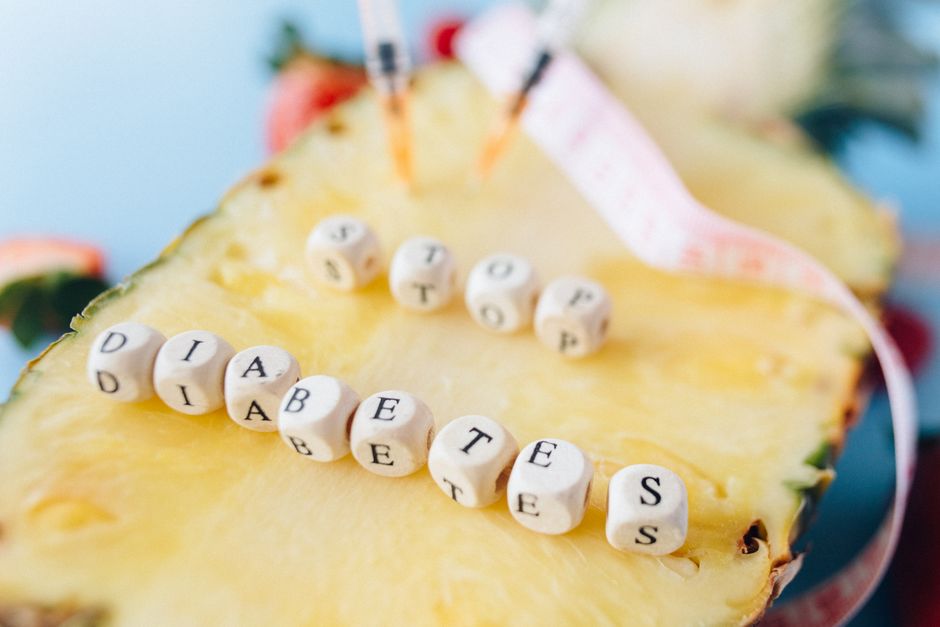
High blood sugar affects millions of Americans, and many want to know how to lower it without adding another prescription to their daily routine. The most effective natural approaches are consistent physical activity, dietary changes that prioritize fiber and protein, weight management, and better sleep. These methods work by improving how your body responds to insulin and by reducing the amount of sugar that enters your bloodstream after meals.
How Do You Reduce Glucose Levels Naturally?
Moving your body after eating is one of the most reliable ways to lower blood sugar. A 10-to-15 minute walk after a meal helps your muscles absorb glucose from your blood without needing as much insulin. This effect is well documented in medical research and works for most people with type 2 diabetes or prediabetes.
Strength training matters just as much. Muscle tissue uses glucose for energy, and building more muscle increases your body’s overall glucose capacity. Two to three sessions per week of resistance exercises like squats, push-ups, or lifting weights can improve insulin sensitivity for days after each workout.
Which Foods Lower Blood Sugar Quickly?
No single food will instantly fix high glucose, but some foods have a measurable effect on how fast sugar enters your bloodstream. Foods high in soluble fiber slow digestion and blunt the glucose spike after meals. Oats, barley, beans, lentils, apples, and carrots are good sources.
Vinegar has better evidence than most people realize. Research published in the Journal of the American Dietetic Association found that consuming about two tablespoons of vinegar before a high-carbohydrate meal reduced the post-meal glucose response in people with insulin resistance. The effect is modest but consistent across multiple studies.
Protein and fat also slow glucose absorption. Eating a meal with chicken, fish, eggs, or tofu alongside carbohydrates produces a lower glucose peak than eating those carbohydrates alone. This is why balanced meals matter more than eliminating any single food group.
Cinnamon gets a lot of attention online, but the evidence is weaker. Some small studies show a minor improvement in fasting glucose, while others show no benefit. The effect, if it exists, is small and should not replace proven strategies.
Does Weight Loss Lower Blood Sugar?
Yes, and the effect can be substantial. Excess body fat, especially around the abdomen, makes cells more resistant to insulin. When insulin cannot do its job, glucose stays in the bloodstream instead of entering cells for energy.
Research consistently shows that losing 5 to 10 percent of your body weight improves blood sugar control in people with type 2 diabetes. For someone who weighs 200 pounds, that is 10 to 20 pounds. This degree of weight loss is often enough to reduce medication needs, and in some cases, people with early type 2 diabetes achieve normal blood sugar levels without medication.
The type of weight loss matters less than the consistency. Both low-carbohydrate diets and calorie-restricted diets improve glucose control when followed consistently. The best diet is the one you can maintain long term.




How Does Sleep Affect Glucose Levels?
Poor sleep raises blood sugar even in people without diabetes. Sleep deprivation increases cortisol, a stress hormone that signals the liver to release more glucose. It also reduces insulin sensitivity, meaning your body needs more insulin to process the same amount of sugar.
Studies show that even one night of restricted sleep can impair glucose metabolism the next day. Chronic short sleep, defined as less than seven hours per night, is associated with a higher risk of developing type 2 diabetes.
Improving sleep quality is a legitimate glucose-lowering strategy. Consistent sleep and wake times, a cool dark bedroom, and avoiding screens an hour before bed are practical steps with real metabolic benefits.
Can Stress Management Reduce Glucose?
Stress directly raises blood sugar. When you are stressed, your body releases cortisol and adrenaline. These hormones increase glucose production to give you energy for a perceived threat. If stress is chronic, blood sugar stays elevated.
Stress reduction techniques like deep breathing, meditation, or even a short daily walk can lower cortisol levels. The evidence for mindfulness-based stress reduction in diabetes management shows small but real improvements in glucose control.
This does not mean stress management replaces medication or diet. It means managing stress is one component of a complete approach to glucose control. For people under significant chronic stress, addressing it may make the difference between meeting and missing their glucose targets.
What About Hydration and Blood Sugar?
Dehydration concentrates your blood, which raises glucose readings. Staying adequately hydrated helps your kidneys flush excess sugar through urine. Water is the best choice. Sugar-sweetened beverages, including fruit juice, add glucose and should be limited.
One note: drinking large amounts of water will not dramatically lower high blood sugar. It helps, but the effect is modest. If your blood sugar is dangerously high, medical treatment is required, not just extra water.
When Should You See a Doctor?
Natural approaches work best when blood sugar is mildly elevated or when used alongside medical treatment. If your fasting glucose is consistently above 100 mg/dL, or your hemoglobin A1c is above 5.7 percent, talk to your doctor. These numbers indicate prediabetes or diabetes, and medical guidance is appropriate.
Seek immediate medical care if you experience symptoms of very high blood sugar. These include extreme thirst, frequent urination, nausea, weakness, and confusion. Blood sugar above 240 mg/dL with ketones in the urine requires urgent medical attention.
If you take medication for diabetes, do not stop or adjust it without your doctor’s guidance. Natural methods can lower your glucose enough that medication doses may need to be reduced, but this must be done under medical supervision to avoid dangerous low blood sugar.
Frequently Asked Questions
How fast can I lower my blood sugar naturally?
Moderate exercise like a 15-minute walk can lower blood sugar within 30 minutes to an hour. Dietary changes and weight loss take weeks to months to show their full effect.
What drink lowers blood sugar the fastest?
Water is the only drink with a direct and safe effect on blood sugar, and it works by helping your kidneys flush excess glucose. No beverage has been proven to rapidly lower high blood sugar.
Can apple cider vinegar lower blood sugar?
Some studies show that vinegar taken before meals reduces the post-meal glucose spike by a modest amount. It does not lower fasting blood sugar significantly and should not replace standard treatment.
Is walking after every meal necessary?
Walking after every meal is not required, but it is effective. Even one 15-minute walk after your largest meal of the day can meaningfully reduce your average glucose levels.
