
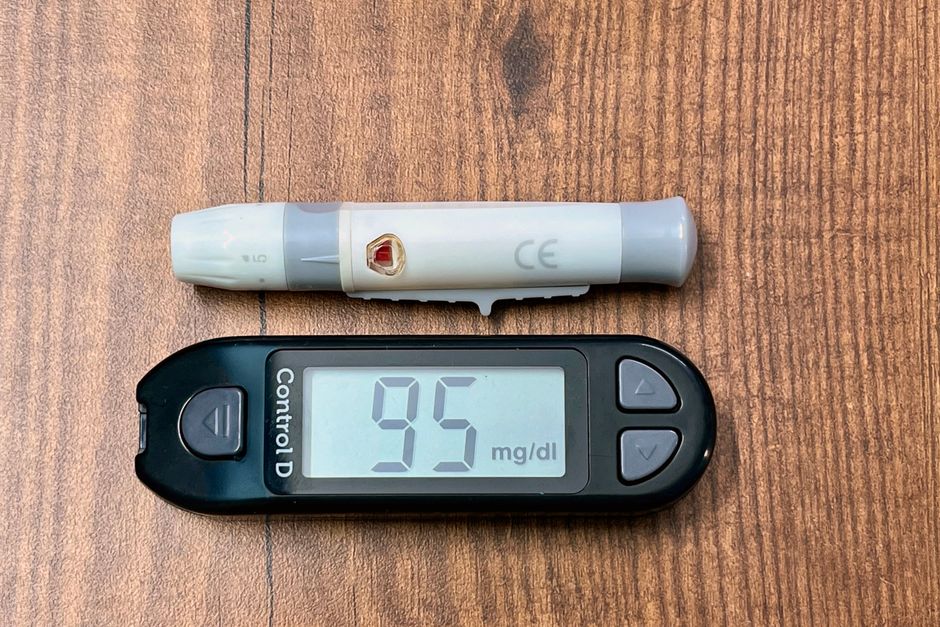
A normal blood alcohol level is zero. In the United States, the legal limit for driving is a blood alcohol concentration (BAC) of 0.08 percent for adults age 21 and older. Any alcohol in your bloodstream is alcohol your body has not yet cleared. There is no “safe” level above zero for driving, and no established health benefit from drinking alcohol.
What Is A Normal Blood Alcohol Level And Legal Limit?
These are two different questions, and mixing them up causes real confusion.
Normal means what is typical or expected in the body. For blood alcohol, the normal value is 0.00 percent. That is what you would see in someone who has not been drinking.
Legal limit means the threshold a state or country uses to define impaired driving. In all 50 US states, the District of Columbia, and Puerto Rico, that threshold is 0.08 percent BAC for drivers age 21 and older. It is a legal standard, not a medical one. A person at 0.07 can still be arrested for impaired driving in many states if an officer observes signs of impairment.
Some states also have a zero tolerance policy for drivers under 21. Any detectable BAC can lead to a charge. Commercial drivers are typically held to 0.04 percent under federal rules.
How Is Blood Alcohol Concentration Measured?
BAC is the amount of alcohol in your blood, expressed as a percentage. A BAC of 0.08 percent means 0.08 grams of alcohol per 100 milliliters of blood.
There are three common ways to estimate BAC:
- Breath test. A breathalyzer estimates BAC from alcohol in your breath. This is the most common roadside method.
- Blood draw. A direct blood test is the most accurate method and is often used in hospitals and legal cases.
- Urine or saliva test. Less common and generally considered less reliable for precise BAC.
Breath tests can be affected by factors like mouth alcohol from recent drinking, certain medical conditions, and improper calibration. That is one reason a blood draw is often used to confirm a legal case.
What Factors Affect Your Blood Alcohol Level?
Two people can drink the same amount and end up with very different BACs. This is not about tolerance or willpower. It comes down to how your body processes alcohol.
Key factors include:
- Body weight and composition. Alcohol distributes through body water. A person with more body water tends to have a lower BAC from the same drink.
- Sex. On average, women reach a higher BAC than men after drinking the same amount, partly due to differences in body water and stomach enzymes.
- How fast you drink. Your liver clears alcohol at a fairly fixed rate. Drinking quickly outpaces that rate and raises BAC.
- Food in your stomach. Eating slows alcohol absorption, which can lower peak BAC.
- Medications and health conditions. Some drugs and liver conditions change how alcohol is processed.
- Genetics. Enzyme activity varies between people and affects how fast alcohol is broken down.
Age matters too, though the effect is not simple. Older adults often have less body water and may feel the effects of alcohol more strongly than they did when younger.

How Fast Does the Body Clear Alcohol?
The liver breaks down alcohol at a rate that most people cannot speed up. A commonly cited average is about one standard drink per hour, but this varies widely between individuals.
A standard drink in the US contains about 14 grams of pure alcohol. That equals:
- 12 ounces of regular beer at about 5 percent alcohol
- 5 ounces of wine at about 12 percent alcohol
- 1.5 ounces of distilled spirits at about 40 percent alcohol
Many craft beers and mixed drinks contain more alcohol than one standard drink. A single large cocktail or high-alcohol beer can equal two or three standard drinks. This is a common reason people underestimate their BAC.
Things that do not speed up alcohol clearance: coffee, cold showers, food, exercise, or fresh air. These may make someone feel more alert, but they do not lower BAC. This is a persistent myth worth correcting. A person can feel awake and still be legally impaired.
What Are the Effects at Different Blood Alcohol Levels?
The effects of alcohol rise as BAC climbs. The general pattern below reflects widely accepted clinical descriptions. Individual responses vary, especially in people who drink regularly.
| BAC (percent) | Typical effects |
|---|---|
| 0.02 | Mild relaxation, slight loss of judgment |
| 0.05 | Reduced coordination, lowered alertness, impaired judgment |
| 0.08 | Legal driving limit in most US states; impaired balance, speech, and reaction time |
| 0.15 | Clear impairment of coordination and judgment; nausea possible |
| 0.30 | Risk of unconsciousness; significant impairment |
| 0.40 and above | Medical emergency; risk of coma or death |
This table is a general guide, not a personal prediction. Someone with a high tolerance may show fewer outward signs at a given BAC, but their impairment and legal exposure are the same.
Why Does the Legal Limit Differ From a Safe Level?
The legal limit is a public safety line, not a health recommendation. It exists because driving ability declines well before 0.08 percent.
Research has consistently found that driving skills — including reaction time, lane control, and attention — begin to worsen at BACs below the legal limit. Studies have shown measurable impairment at 0.05 percent and even lower in some measures.
This is why some countries set their driving limit at 0.05 percent or lower. The US has kept 0.08 percent as its national standard, though the National Transportation Safety Board has recommended lowering it to 0.05 percent. That recommendation has not been widely adopted into law.
The gap between “legal” and “safe” is real. Being under the legal limit does not mean you are safe to drive.
Can You Lower Your BAC Quickly?
No. Time is the only reliable way to lower BAC. Your liver processes alcohol at its own pace, and nothing you eat, drink, or do will meaningfully speed that up.
If you have been drinking, the honest answer is to not drive. Options include waiting several hours, using a rideshare, calling a friend, or staying where you are. There is no shortcut that makes it safe to get behind the wheel sooner.
If someone shows signs of severe alcohol poisoning — confusion, vomiting while unconscious, slow breathing, or unresponsiveness — call 911. This is a medical emergency. Do not wait for them to “sleep it off.”
Does Any Amount of Alcohol Have Health Benefits?
The evidence here has shifted, and it is worth being clear about it.
For years, some research suggested light drinking might protect the heart. More recent and more careful analyses have weakened that claim. Many earlier studies grouped former drinkers with lifelong abstainers, which made light drinking look healthier than it was.
Current thinking among major health bodies is that no level of alcohol consumption can be recommended for health reasons. The World Health Organization has stated that no safe level of alcohol consumption can be established for overall health. This does not mean everyone who drinks will develop a problem. It means alcohol is not a health tool, and the risks rise with the amount consumed.
This matters for the question of a “normal” BAC. The normal level is zero because your body does not need alcohol, and there is no established threshold below which drinking is proven harmless.
Frequently Asked Questions
What is a normal blood alcohol level?
A normal blood alcohol level is 0.00 percent. This is the level in someone who has not consumed alcohol.
What is the legal blood alcohol limit for driving in the US?
For adults age 21 and older, the legal limit is 0.08 percent BAC in all 50 states. Commercial drivers are typically held to 0.04 percent, and drivers under 21 face zero tolerance rules.
Can coffee or a cold shower lower your BAC?
No. Coffee, cold showers, food, and exercise do not lower BAC. Only time allows the liver to clear alcohol, at roughly one standard drink per hour for many people.
How long does alcohol stay in your bloodstream?
It varies by person, but alcohol is generally cleared at about one standard drink per hour. A person who has had several drinks may still have a measurable BAC many hours later.
