
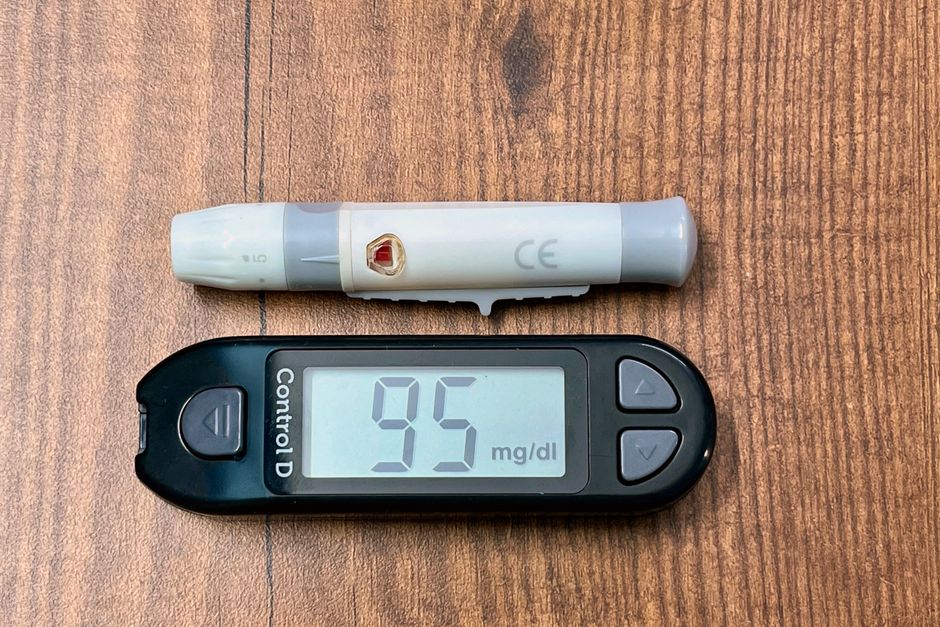
Most adults without diabetes wake up with a blood sugar level between 70 and 100 mg/dL. This is your fasting glucose — the amount of sugar in your blood after not eating for at least eight hours. If your morning reading is consistently above 100 mg/dL, it may signal that your body is struggling to manage blood sugar properly. A level of 126 mg/dL or higher on two separate tests meets the diagnostic criteria for diabetes according to the American Diabetes Association.
What Is A Normal Blood Sugar Level In The Morning for Someone Without Diabetes?
For a person without diabetes, a normal fasting blood sugar falls between 70 and 99 mg/dL. The American Diabetes Association uses 100 to 125 mg/dL as the range for prediabetes, which they call impaired fasting glucose. Anything at 126 mg/dL or above on two separate occasions is considered diabetes.
These numbers come from large population studies. They are not arbitrary. Research published in the New England Journal of Medicine has shown that people with fasting glucose above 100 mg/dL have a significantly higher risk of developing diabetes within five to ten years. The risk climbs steadily as the number rises.
One thing many people do not realize: your morning blood sugar can be slightly higher than your daytime levels even in healthy people. This is called the dawn phenomenon. Your liver releases glucose in the early morning hours to give you energy to wake up. For most people without diabetes, the body releases just enough insulin to keep that glucose in check. The number still stays under 100 mg/dL.
What Is a Normal Morning Blood Sugar for Someone with Diabetes?
For people with diagnosed diabetes, the targets are different. The American Diabetes Association recommends a fasting blood sugar between 80 and 130 mg/dL. This is not “normal” in the medical sense — it is a management target. The goal is to keep blood sugar low enough to prevent complications but high enough to avoid dangerous lows.
Individual targets vary. A pregnant woman with gestational diabetes may be told to keep fasting glucose under 95 mg/dL. An older adult with multiple health conditions might have a more relaxed target of 100 to 140 mg/dL. Your doctor sets your specific goal based on your age, how long you have had diabetes, and your overall health.
Research from the ACCORD trial and other large studies found that pushing blood sugar too low — below 70 mg/dL — can be more dangerous than running slightly high in some people. Severe hypoglycemia increases the risk of falls, confusion, and even heart problems. The goal is not the lowest number possible. It is the safest number for you.
What Causes High Morning Blood Sugar Even When You Eat Well?
High morning blood sugar can be frustrating, especially if you feel you are doing everything right. There are three common reasons it happens.
The dawn phenomenon is the most common. Your body naturally releases cortisol, growth hormone, and glucagon in the early morning. These hormones tell your liver to release stored glucose. In someone with insulin resistance or diabetes, the body cannot release enough insulin to handle that glucose surge. The result is a morning reading that is higher than your bedtime reading.
The Somogyi effect is less common but worth knowing about. It happens when your blood sugar drops too low overnight — often from too much diabetes medication or not enough food before bed. Your body responds by releasing emergency glucose. By morning, your blood sugar is high because of the rebound. The only way to tell the difference between the dawn phenomenon and the Somogyi effect is to test your blood sugar in the middle of the night, around 2:00 to 3:00 AM.
Late-night eating is the simplest cause. Eating a large meal or a high-carb snack close to bedtime means your body is still digesting and processing glucose while you sleep. Your morning reading reflects that. Research published in Diabetes Care found that eating within two hours of bed was linked to higher fasting glucose, even in people without diabetes.

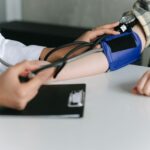
How Do You Measure Morning Blood Sugar Correctly?
Getting an accurate morning reading requires consistency. The definition of “fasting” is no food or drink except water for at least eight hours. Coffee with cream or sugar breaks the fast and will raise your reading. Even black coffee can affect some people, though the evidence is mixed.
Wash your hands with soap and warm water before testing. Hand sanitizer can leave residue that interferes with the reading. Use the side of your fingertip, not the pad, because it has fewer nerve endings and hurts less. Squeeze gently — milking the finger can push fluid into the sample and dilute the blood, giving a falsely low reading.
Test within five to ten minutes of waking. Blood sugar starts to rise as soon as you become active. If you test after showering, getting dressed, and making breakfast, your reading may already be elevated. The most reliable number comes from testing before you get out of bed.
| Time of Test | Normal Range (No Diabetes) | Target Range (Diabetes) |
|---|---|---|
| Fasting (morning) | 70–99 mg/dL | 80–130 mg/dL |
| Before meals | 70–110 mg/dL | 80–130 mg/dL |
| Two hours after eating | Under 140 mg/dL | Under 180 mg/dL |
| Bedtime | Under 120 mg/dL | 100–140 mg/dL |
What Can You Do If Your Morning Blood Sugar Is Too High?
If your fasting glucose is consistently above 100 mg/dL, the first step is to talk to your doctor. Do not try to fix this on your own. A single high reading is not a diagnosis. Patterns matter more than one number.
Lifestyle changes can help, but they work slowly. Research from the Diabetes Prevention Program, a major study funded by the National Institutes of Health, found that losing 5 to 7 percent of body weight and getting 150 minutes of moderate exercise per week reduced the risk of progressing from prediabetes to diabetes by 58 percent. That is a significant effect, but it took an average of three years for the full benefit to appear.
Dietary changes that have some evidence behind them include eating dinner earlier, reducing refined carbohydrates, and adding protein and fiber to your evening meal. A small study in the journal Diabetologia found that eating a high-protein breakfast and a lighter dinner improved fasting glucose in people with type 2 diabetes. The timing of your meals may matter as much as what you eat.
Some people report that apple cider vinegar before bed lowers their morning blood sugar. There is some evidence for this — a small study in Diabetes Care found that vinegar improved fasting glucose in people with insulin resistance. But the effect was modest, and the study was small. It is not a replacement for medical treatment.
Do not start any supplement or herb for blood sugar without checking with your doctor. Some supplements interact with diabetes medications and can cause dangerously low blood sugar.
Common Misconceptions About Morning Blood Sugar
The biggest misconception is that your morning blood sugar should be the same as your blood sugar at other times of the day. It is not. Fasting glucose is naturally higher than post-meal glucose in some people because of the dawn phenomenon. A slightly elevated morning reading does not automatically mean your diet is bad or your diabetes is out of control.
Another common myth is that you can “feel” high blood sugar. Many people with prediabetes or early type 2 diabetes have no symptoms at all. You cannot rely on how you feel to know your blood sugar. The only reliable way to know is to test.
Some people believe that if their morning blood sugar is normal, they are in the clear for the rest of the day. That is not true either. Fasting glucose tells you how well your body handled the overnight fast. It does not tell you how your body will handle a meal. A normal fasting glucose with high post-meal readings is a real pattern called impaired glucose tolerance. It also raises your risk for diabetes and heart disease.
- Normal fasting range: 70–99 mg/dL for people without diabetes
- Prediabetes range: 100–125 mg/dL
- Diabetes range: 126 mg/dL or higher on two tests
- Diabetes management target: 80–130 mg/dL
- Test correctly: Wash hands, use the side of the fingertip, test within minutes of waking
Frequently Asked Questions
What is a normal blood sugar level in the morning for a person without diabetes?
For someone without diabetes, a normal fasting blood sugar is between 70 and 99 mg/dL. Levels above 100 mg/dL may indicate prediabetes.
What is a good morning blood sugar for type 2 diabetes?
The American Diabetes Association recommends a fasting target of 80 to 130 mg/dL for most adults with diabetes. Your doctor may set a different goal based on your health.
Can stress cause high morning blood sugar?
Yes. Stress hormones like cortisol raise blood sugar, and the effect can be strongest in the morning. Chronic stress may contribute to consistently higher fasting glucose.
Does eating late at night raise morning blood sugar?
Research shows that eating within two hours of bedtime is linked to higher fasting glucose. A heavy or high-carb meal close to sleep can raise your morning number.
