
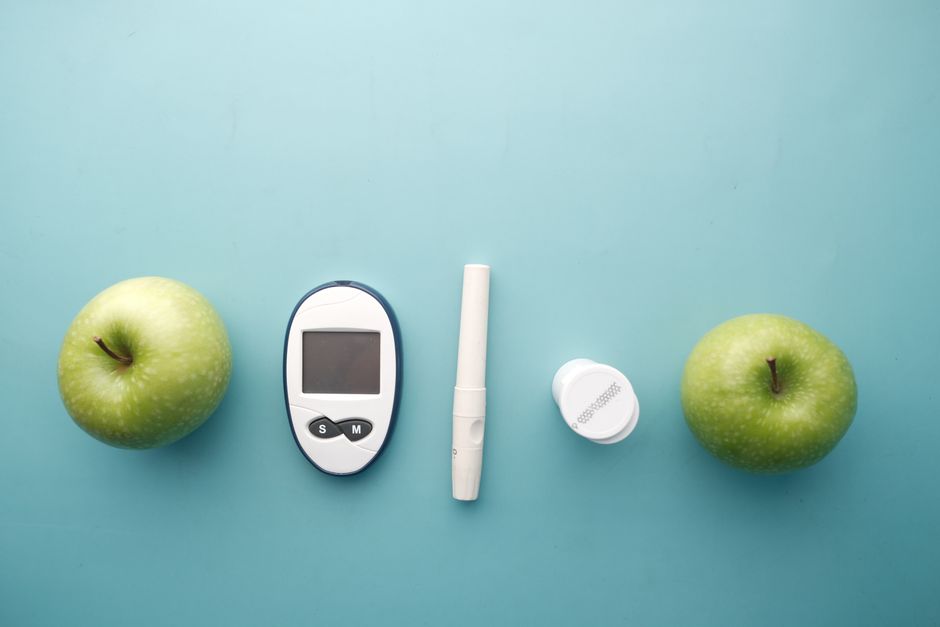
Blood sugar is one of those numbers that means more the older you get. A healthy fasting glucose level for most adults sits between 70 and 99 mg/dL. Two hours after a meal, it usually stays under 140 mg/dL. A result from 100 to 125 mg/dL on a fasting test is called prediabetes, and 126 mg/dL or higher on two separate tests points to diabetes.
Those ranges come from the American Diabetes Association and are used across most clinical settings. They apply to adults, not to children, and not to pregnant women, who have their own separate thresholds. Age changes how often you should check, how your body handles sugar, and what your doctor watches for. It does not change the basic target numbers much.
What Is A Healthy Glucose Level Ranges By Age?
The reference ranges for fasting glucose are the same for a 30-year-old and a 60-year-old. What shifts with age is how likely you are to develop insulin resistance, how quickly your pancreas responds to a meal, and how many other conditions start to interfere.
Here are the standard adult categories used in clinical practice:
| Category | Fasting glucose | 2 hours after eating | A1C |
|---|---|---|---|
| Normal | 70–99 mg/dL | Under 140 mg/dL | Below 5.7% |
| Prediabetes | 100–125 mg/dL | 140–199 mg/dL | 5.7–6.4% |
| Diabetes | 126 mg/dL or higher | 200 mg/dL or higher | 6.5% or higher |
These numbers are diagnostic thresholds, not goals you set for yourself. A single high reading does not mean you have diabetes. Diagnosis usually requires two abnormal results, or one clearly abnormal result plus symptoms.
Age matters most in three ways. First, muscle mass declines with age, and muscle is where most glucose gets stored after a meal. Less muscle means less room for sugar to go. Second, the pancreas tends to release insulin more slowly over time. Third, older adults are more likely to take medications that raise blood sugar, such as certain steroids and diuretics.
None of that changes the target. It changes how closely you should watch.
Do Glucose Targets Change After 50 or 65?
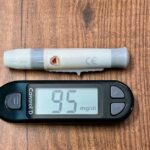
For most healthy older adults, the same ranges apply. A fasting glucose of 95 mg/dL is normal at 45 and normal at 75. The thresholds do not move just because you had a birthday.
What does change is the treatment goal for people who already have diabetes. Clinical guidance generally allows a slightly higher A1C target for older adults who have other health conditions, take medications that cause low blood sugar, or have a limited life expectancy. The reasoning is straightforward: tight control carries a risk of hypoglycemia, and low blood sugar in an older person can cause falls, confusion, and hospital stays. The benefit of pushing A1C very low in someone with multiple illnesses is smaller than the risk.
This does not mean high blood sugar is harmless in older adults. It means the target is individualized. A 68-year-old who runs marathons and a 68-year-old with advanced heart failure may get different A1C goals from the same doctor, and both can be correct.
One detail worth knowing: A1C becomes slightly less reliable in some older adults because of anemia, kidney disease, or recent blood loss. In those cases, doctors may rely more on fasting glucose or a continuous glucose monitor.
How Does Blood Sugar Behave in Children and Teens?
Children use the same diagnostic cutoffs as adults for fasting glucose and A1C. A fasting glucose of 70 to 99 mg/dL is normal for a 10-year-old and a 50-year-old alike.
What differs is the pattern of disease. Type 1 diabetes, an autoimmune condition, is the most common form in young children. Type 2 diabetes, which is tied to insulin resistance, has become more common in adolescents over the past two decades, largely alongside rising childhood obesity rates. The symptoms can be easy to miss in a teenager — fatigue, frequent urination, slow healing — which is one reason pediatric screening guidelines now recommend checking glucose in children with obesity starting around age 10 or at puberty, whichever comes first.
Newborns are a separate story entirely. Their glucose regulation is immature, and normal values in the first days of life are much lower than adult ranges. No general guideline applies across all ages in infancy. If you have a newborn, the pediatric team sets the target, and it can change by the hour.




Why Does Blood Sugar Rise With Age?
Insulin resistance tends to increase with age, even in people who never develop diabetes. The mechanism is partly structural and partly lifestyle-related.
Muscle tissue is the largest consumer of glucose after a meal. As muscle mass drops — roughly starting in the 30s and accelerating after 60 — the body has fewer places to put that sugar. Fat tissue, especially around the abdomen, releases inflammatory signals that make cells less responsive to insulin. The pancreas compensates by producing more insulin, and for a while that works. When it can no longer keep up, fasting glucose starts to creep up.
Physical activity matters here more than most people realize. A single bout of exercise improves insulin sensitivity for hours afterward, and regular training can partially offset the age-related decline. This is one of the better-supported findings in the field.
Medications are another factor. Corticosteroids, some blood pressure drugs, certain antipsychotics, and some HIV medications can raise glucose. So can illness, surgery, and severe stress. If your numbers jumped recently, review your medication list with your doctor before assuming anything about your pancreas.
When Should You Get Your Glucose Checked?
The American Diabetes Association recommends screening all adults starting at age 35, and earlier for anyone with risk factors such as obesity, a family history of diabetes, high blood pressure, or a history of gestational diabetes. If results are normal, repeat testing every three years is typical.
After 65, testing frequency depends on your overall health and whether you already have a diagnosis. Some clinicians check annually. Others stretch it out if prior results have been stable and nothing has changed.
Three tests are commonly used:
- Fasting glucose — drawn after at least 8 hours without food. Simple and widely available.
- A1C — reflects average glucose over roughly the past 2 to 3 months. No fasting needed.
- Oral glucose tolerance test — measures glucose before and 2 hours after a sugary drink. Most often used in pregnancy.
Each has limits. A1C can be skewed by anemia or recent blood loss. Fasting glucose can vary day to day. A single test rarely tells the whole story.
What About Continuous Glucose Monitors?
Continuous glucose monitors, or CGMs, track glucose under the skin every few minutes. They were originally developed for people with diabetes who use insulin, and that remains their clearest use case. In that group, CGMs help reduce both high and low blood sugar episodes.
Their role in people without diabetes is less settled. Some research suggests that glucose patterns in healthy adults vary widely and that brief spikes after meals are common even in people with normal A1C. What is not yet clear is whether acting on those readings improves health outcomes in people who do not have diabetes. No large trial has shown that monitoring glucose in healthy adults prevents disease.
If you are curious about your own patterns, a CGM can be informative. Treat it as information, not a diagnosis. A spike after a meal is not automatically a problem, and a flat line is not automatically a sign of health.
What Actually Moves the Needle?
Blood sugar responds to a small number of things, and most of them are not supplements.
Physical activity is the strongest lever. Both aerobic exercise and resistance training improve insulin sensitivity, and combining them appears to work better than either alone. This is well established across many trials.
Weight loss, when there is excess weight to lose, improves glucose control. Even modest loss — a few percent of body weight — can shift fasting glucose in the right direction. Larger loss can put type 2 diabetes into remission in some people, though not everyone and not permanently.
Diet composition matters, but the picture is less dramatic than headlines suggest. Reducing refined carbohydrates and added sugars tends to lower post-meal spikes. Fiber slows glucose absorption. Protein and fat blunt the rise when eaten with carbohydrates. None of this is controversial, and none of it is a cure.
Supplements marketed for blood sugar — chromium, berberine, cinnamon, alpha-lipoic acid — have mixed or limited evidence. Berberine has shown some effect in small trials, but the studies are short and the formulations vary. Cinnamon shows inconsistent results. No supplement replaces the effect of exercise and weight loss, and none has been shown to prevent diabetes on its own.
Frequently Asked Questions
What is a normal blood sugar level by age?
The diagnostic ranges for fasting glucose are the same at every adult age: 70 to 99 mg/dL is normal, 100 to 125 mg/dL is prediabetes, and 126 mg/dL or higher suggests diabetes. Age changes how often you should be tested and what treatment goal your doctor sets, not the underlying reference numbers.
Is a fasting blood sugar of 105 something to worry about?
A fasting glucose of 105 mg/dL falls in the prediabetes range and is worth discussing with your doctor. It does not mean you have diabetes, but it does mean your body is having more trouble managing glucose than it should.
Do blood sugar targets change after 65?
The normal range stays the same, but treatment goals for people who already have diabetes are often relaxed slightly in older adults to reduce the risk of low blood sugar. Your doctor individualizes this based on your health, medications, and other conditions.
Can you have normal blood sugar and still have diabetes?
It is uncommon but possible, especially early in type 2 diabetes when fasting glucose is still normal but post-meal readings run high. This is one reason doctors sometimes order an A1C or glucose tolerance test instead of relying on fasting glucose alone.
