
Every time you take a breath, your cells convert the oxygen you inhaled into usable energy. That process depends on glycolysis, a chain of chemical reactions that splits one molecule of glucose into two smaller molecules called pyruvate. Glycolysis happens in nearly every living cell on Earth, from bacteria to brain cells, and it does not require oxygen to run. It is the first step in cellular respiration, and for some cells and some situations, it is the only step they use.
What Is Glycolysis and Where Does It Happen?
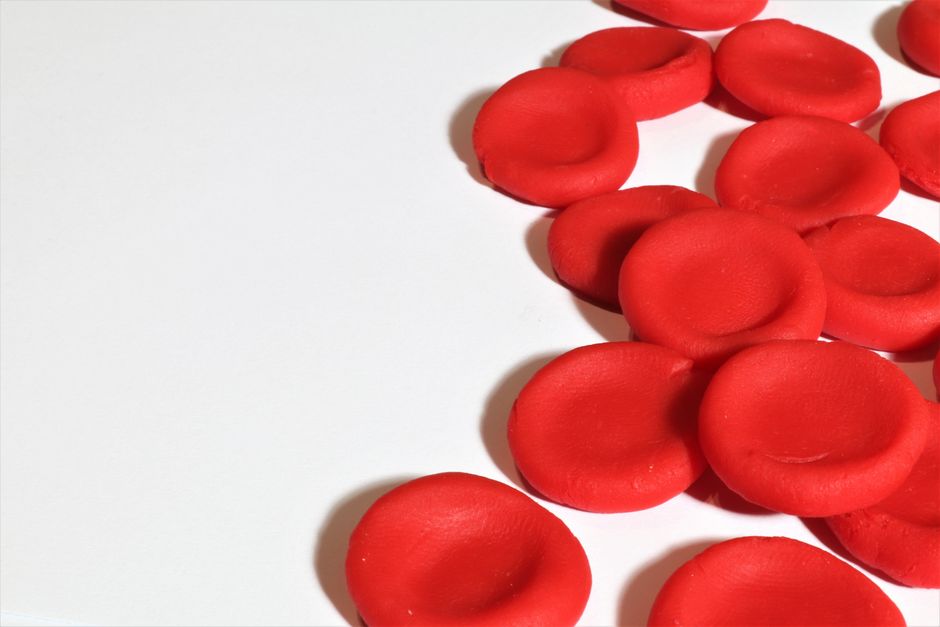
Glycolysis takes place in the cytoplasm, the fluid-filled space inside the cell but outside the nucleus. It does not need mitochondria, which is why even cells without mitochondria, such as mature red blood cells, can still break down glucose for energy.
The word glycolysis comes from the Greek words for “sweet” and “splitting.” That is a fair description. The pathway takes a six-carbon sugar and splits it into two three-carbon molecules. Ten separate enzymatic steps carry this out, and each step is controlled by a different enzyme.
One detail worth understanding: glycolysis releases only a small fraction of the energy stored in glucose. Most of that energy stays locked in the pyruvate molecules and gets extracted later, inside the mitochondria, if oxygen is available. Glycolysis is the opening move, not the whole game.
What Are the Steps of Glycolysis?
The ten steps of glycolysis divide into two phases. The first phase invests energy. The second phase pays it back with interest.
Phase 1: The Investment Phase
In the first five steps, the cell spends two molecules of ATP, the cell’s energy currency, to prepare glucose for splitting. Glucose gets phosphorylated, rearranged, and phosphorylated again. The result is a six-carbon molecule that is now primed to break apart.
This phase can feel counterintuitive. The cell is spending energy to make energy. But that investment is what allows the payoff later. Without it, glucose would simply sit there, chemically stable and useless.
Phase 2: The Payoff Phase
The six-carbon molecule splits into two three-carbon molecules. These then go through a series of reactions that pull energy out. Each three-carbon molecule produces two ATP and one NADH, a carrier molecule that shuttles electrons to later stages of respiration.
Because there are two three-carbon molecules, the payoff doubles. The net result of the entire pathway: two ATP, two NADH, and two pyruvate molecules per glucose molecule.
How Much ATP Does Glycolysis Produce?
Glycolysis yields a net gain of two ATP per glucose molecule. The cell spends two ATP in the investment phase and produces four ATP in the payoff phase. Two minus four leaves a net of two.
That number can look disappointing. Complete oxidation of one glucose molecule through all of cellular respiration produces far more ATP, roughly 30 to 32 in most human cells according to standard biochemistry textbooks. Glycolysis alone captures only a small slice of the total.
But speed matters. Glycolysis is fast. When a muscle needs energy right now, or when oxygen is scarce, two ATP delivered quickly beats thirty ATP delivered slowly. The pathway is optimized for immediate availability, not maximum yield.





Does Glycolysis Require Oxygen?
No. Glycolysis is anaerobic, meaning it runs without oxygen. This is one of its most important features.
When oxygen is present, pyruvate moves into the mitochondria and enters the citric acid cycle, also called the Krebs cycle. There, the energy remaining in pyruvate is extracted through a series of reactions that feed the electron transport chain. This is where the bulk of ATP gets made.
When oxygen is absent or limited, pyruvate cannot enter the mitochondria. Instead, it gets converted into lactate in a process called fermentation. This regenerates the NAD+ that glycolysis needs to keep running. Without that regeneration step, glycolysis would stall after just a few rounds.
The lactate produced this way is not a waste product in the way many people assume. It can be shuttled to other tissues, including the heart and liver, and used as fuel. The idea that lactate causes muscle soreness after exercise has been largely corrected in the scientific literature. Soreness comes from microscopic muscle damage, not lactate buildup.
Why Do Red Blood Cells Depend on Glycolysis?
Mature red blood cells have no mitochondria. They cannot perform oxidative phosphorylation, the oxygen-dependent process that most cells use to make the majority of their ATP. For them, glycolysis is not just the first step. It is the only step.
Red blood cells rely entirely on glycolysis to maintain their shape, keep their ion pumps working, and carry oxygen without rupturing. This is one reason why conditions that impair glycolysis can cause red blood cells to break down prematurely.
Cancer cells also lean heavily on glycolysis, even when oxygen is available. This phenomenon, called the Warburg effect, was first described in the 1920s. It does not mean glycolysis causes cancer. It means cancer cells often shift their metabolism toward glycolysis to support rapid growth. Some cancer treatments in development target this metabolic shift, though no widely used therapy currently works by blocking glycolysis alone.
What Happens When Glycolysis Goes Wrong?
Genetic defects in the enzymes of glycolysis are rare but serious. They can affect red blood cells, muscles, or the nervous system, depending on which enzyme is faulty.
One example is pyruvate kinase deficiency, a condition that causes red blood cells to break down faster than normal, leading to hemolytic anemia. Another is a defect in the enzyme phosphofructokinase, which can cause exercise intolerance and muscle cramping.
These conditions are inherited and typically diagnosed in childhood. They are not caused by diet or lifestyle. Treatment focuses on managing symptoms, and in severe cases may include blood transfusions or other supportive care.
In diabetes, glycolysis itself is not defective, but the broader handling of glucose is impaired. Cells may be exposed to higher-than-normal glucose levels, which can drive damaging side reactions. This is one reason why long-term blood sugar control matters for preventing complications.
How Does Glycolysis Fit Into Cellular Respiration?
Glycolysis is stage one of three in cellular respiration. The other two stages are the citric acid cycle and oxidative phosphorylation, both of which happen inside mitochondria.
The table below shows how the three stages compare.
| Stage | Location | Oxygen Needed? | ATP Yield |
|---|---|---|---|
| Glycolysis | Cytoplasm | No | 2 ATP (net) |
| Citric acid cycle | Mitochondrial matrix | Indirectly | 2 ATP |
| Oxidative phosphorylation | Inner mitochondrial membrane | Yes | About 26–28 ATP |
The numbers vary slightly depending on the cell type and the shuttle systems used to move electrons into the mitochondria. The overall total is commonly cited as about 30 to 32 ATP per glucose molecule in human cells.
If oxygen is not available, the citric acid cycle and oxidative phosphorylation cannot proceed. Glycolysis continues, but the pyruvate is converted to lactate instead of entering the mitochondria. This is why intense exercise can cause lactate levels to rise. The muscle is still making ATP through glycolysis, but the oxygen supply cannot keep up with demand.
What Controls the Rate of Glycolysis?
Glycolysis is tightly regulated. The cell does not want to burn glucose when energy is already plentiful, and it does not want to stop when energy is needed.
Three enzymes control the pace: hexokinase, phosphofructokinase-1, and pyruvate kinase. Phosphofructokinase-1 is the most important control point. It is inhibited by high levels of ATP and citrate, which signal that the cell already has enough energy. It is activated by AMP and fructose-2,6-bisphosphate, which signal that energy is running low.
This regulation is why glycolysis speeds up during exercise and slows down during rest. It is also why the pathway responds to hormones like insulin and glucagon, which adjust glucose uptake and storage based on the body’s needs.
Some of the details of this regulation are still being worked out, particularly in different tissue types and under conditions like cancer or metabolic disease. The core control points are well established, but the fine-tuning is an active area of research.
What Is the Difference Between Glycolysis and Gluconeogenesis?
Glycolysis breaks glucose down. Gluconeogenesis builds glucose up. They are not simply reverse reactions of each other, even though they share several steps.
Gluconeogenesis happens mainly in the liver and, to a lesser extent, the kidneys. It uses molecules like lactate, glycerol, and certain amino acids to make new glucose. This matters during fasting, when blood sugar needs to stay stable even though no food is coming in.
Three of the ten glycolytic steps are irreversible. Gluconeogenesis bypasses those steps using different enzymes. That is why the two pathways are separate, even though they overlap in the middle.
Understanding both pathways helps explain how the body maintains blood sugar between meals and during sleep. It also explains why the liver is so important in conditions like diabetes, where glucose production and storage can get out of balance.
Frequently Asked Questions
What is glycolysis in simple terms?
Glycolysis is the process cells use to break one glucose molecule into two pyruvate molecules, producing a net gain of two ATP. It happens in the cytoplasm and does not require oxygen.
How many ATP does glycolysis produce?
Glycolysis produces a net gain of two ATP per glucose molecule. The cell spends two ATP and makes four, leaving a net of two.
Does glycolysis need oxygen?
No, glycolysis is anaerobic and runs without oxygen. If oxygen is available, the pyruvate it produces moves into the mitochondria for further energy extraction.
Why is glycolysis important for red blood cells?
Mature red blood cells have no mitochondria, so they cannot use oxidative phosphorylation. Glycolysis is their only way to make ATP.
