
If you’re scheduled for a glucose test, the timing depends entirely on which test your doctor ordered. A fasting glucose test takes about five minutes of actual blood draw time, but you’ll need to fast for 8 to 12 hours beforehand. The one-hour glucose challenge test takes exactly one hour from the time you finish the drink to the time your blood is drawn. The three-hour glucose tolerance test takes three hours, with blood drawn four separate times.
The results timeline varies too. Some glucose tests give results within minutes using a fingerstick meter. Laboratory tests typically take one to two business days. Your doctor’s office will contact you sooner if results are abnormal.
What Are the Different Types of Glucose Tests and How Long Does Each Take?
Glucose tests measure how much sugar is in your blood. They differ in preparation, duration, and what they’re designed to detect.
Fasting glucose test. You eat nothing for 8 to 12 hours. Water is fine. The blood draw itself takes less than five minutes. This test screens for diabetes and prediabetes.
Random glucose test. No fasting required. A single blood draw at any time of day. Takes about five minutes. Used when diabetes is suspected but fasting isn’t practical.
One-hour glucose challenge test. You drink a glucose solution containing 50 grams of sugar. Blood is drawn exactly one hour later. No fasting needed. This is a screening test, most often used during pregnancy to check for gestational diabetes.
Three-hour glucose tolerance test (OGTT). You fast for 8 to 12 hours. A fasting blood sample is drawn. You drink a solution containing 100 grams of glucose. Blood is then drawn at one hour, two hours, and three hours after the drink. Total appointment time is roughly three to four hours.
Two-hour glucose tolerance test. Uses 75 grams of glucose. Blood is drawn at fasting, one hour, and two hours. This is the standard test for diagnosing diabetes outside of pregnancy.
How Long Is the Glucose Test Timing and Results Process From Start to Finish?
From the moment you arrive to the moment you leave, here’s what to expect.
For a fasting glucose test: check-in, blood draw, and departure usually take 15 to 20 minutes total. The 8 to 12 hours of fasting beforehand is the real time commitment.
For the one-hour challenge: you’ll be at the lab for about 75 to 90 minutes. That includes check-in, drinking the solution, waiting one hour without leaving, and the blood draw.
For the three-hour OGTT: plan for three and a half to four hours at the facility. You cannot leave during the test. Bring something to read or do. Most labs require you to stay on-site the entire time.
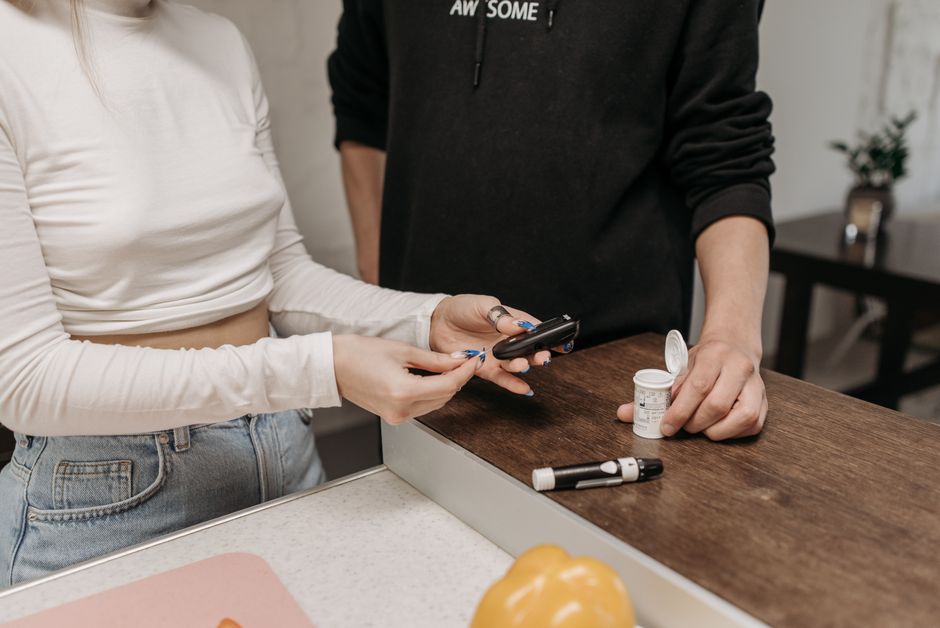
Results timing depends on where the blood is analyzed. A fingerstick glucose reading gives a number in about five seconds. A laboratory glucose test typically returns results within one to two business days. Some clinics call within 24 hours if something is wrong.
What Do the Results Mean?
Blood glucose results are measured in milligrams per deciliter (mg/dL). The thresholds below come from standard diagnostic criteria used by most clinical laboratories and are consistent with guidelines from major diabetes organizations.
| Test | Normal | Prediabetes | Diabetes |
|---|---|---|---|
| Fasting glucose | 70–99 mg/dL | 100–125 mg/dL | 126 mg/dL or higher (on two separate tests) |
| 2-hour OGTT (75g) | Less than 140 mg/dL | 140–199 mg/dL | 200 mg/dL or higher |
| Random glucose | Varies | — | 200 mg/dL or higher with symptoms |
For gestational diabetes screening during pregnancy, the one-hour challenge is considered abnormal if glucose is 140 mg/dL or higher at most labs. Some use 130 mg/dL as the cutoff. An abnormal screening result does not mean you have gestational diabetes. It means you need the longer three-hour test to confirm.
During the three-hour OGTT in pregnancy, gestational diabetes is diagnosed when two or more of the four blood draws meet or exceed established thresholds. One elevated value alone typically does not confirm the diagnosis.





Why Does the Timing Matter So Much?
Glucose doesn’t stay at one level after you drink a sugary solution. It rises, peaks, and falls in a predictable pattern. The timing of each blood draw is designed to catch specific points on that curve.
At one hour, glucose should be near its peak. At two hours, it should be declining. At three hours, it should be close to baseline. If glucose is still high at the two-hour or three-hour mark, that tells your doctor something about how your body handles sugar.
The fasting requirement matters for the same reason. If you eat before a fasting glucose test, your reading reflects the food you just ate, not your baseline. The test becomes uninterpretable.
One thing people often don’t realize: the one-hour challenge test is a screening tool, not a diagnostic one. It’s designed to cast a wide net. Many people who screen positive on the one-hour test turn out to have normal results on the three-hour test.
What Can Affect Your Glucose Test Results?
Several factors can push glucose readings up or down. Knowing these ahead of time helps you and your doctor interpret the results correctly.
- Eating before a fasting test. This is the most common reason for an invalid result. Even coffee with cream or sugar can raise glucose.
- Illness or infection. Being sick can raise blood sugar temporarily, even in people without diabetes.
- Certain medications. Corticosteroids, some blood pressure medications, and certain psychiatric medications can raise glucose. Tell your doctor about everything you take.
- Sleep and stress. Poor sleep and acute stress can raise fasting glucose. The effect is usually modest but can matter if your result is borderline.
- Exercise. Strenuous exercise before a fasting test can lower glucose. Unusual activity the day before can skew results.
- Time of day. Glucose tolerance varies somewhat by time of day. Most labs prefer morning appointments for fasting tests.
How Long Do You Need to Fast Before a Glucose Test?
For a fasting glucose test or a glucose tolerance test, you need to fast for 8 to 12 hours. Water is allowed and encouraged. Black coffee without sugar or cream is sometimes permitted, but check with your lab first.
For the one-hour glucose challenge test, no fasting is required. Eat your normal meals. Do not skip breakfast. Arriving overly hungry can make the test uncomfortable and does not improve accuracy.
If you’re pregnant and scheduled for a one-hour challenge, eat normally. If you’re scheduled for a three-hour test, you’ll need to fast. Your doctor’s office will give you specific instructions.
When Should You Expect to Hear Back?
Most lab glucose results are available within one to two business days. Some clinics have faster turnaround. If your result is critically high or low, the lab will flag it and your doctor’s office will typically call you the same day.
If you haven’t heard back within three business days, call your doctor’s office. Results sometimes sit in a queue waiting for review. A phone call moves things along.
For glucose meters used at home, results are immediate. Those readings are useful for tracking but are not used to diagnose diabetes unless confirmed by a laboratory test.
Frequently Asked Questions
How long does a glucose test take from start to finish?
A fasting glucose test takes about 15 to 20 minutes total, including check-in and the blood draw. A one-hour glucose challenge takes about 75 to 90 minutes, and a three-hour tolerance test takes three and a half to four hours.
Can I drink water before a fasting glucose test?
Yes. Water is allowed and encouraged during the fasting period. It does not affect your glucose reading and helps keep you hydrated for the blood draw.
How soon do glucose test results come back?
Laboratory glucose results typically come back within one to two business days. A fingerstick glucose meter gives a reading in about five seconds, but those readings are not used for diagnosis.
What happens if my glucose test result is abnormal?
An abnormal screening result usually means you need a follow-up test, not that you have diabetes. Your doctor will order a repeat fasting glucose or a longer tolerance test to confirm before making any diagnosis.
