
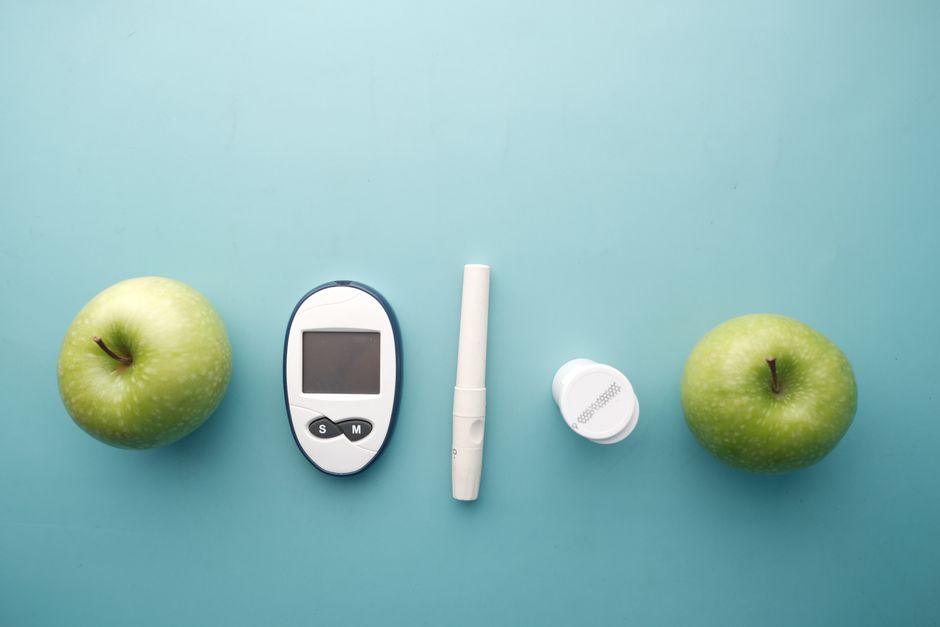
Blood sugar moves all day long, and the habits that keep it steady are not exotic. Eating protein and fiber before refined carbohydrates, taking a short walk after meals, sleeping enough, and managing stress all help the body keep glucose within a normal range. For most healthy adults, that range is roughly 70 to 99 mg/dL fasting and under 140 mg/dL two hours after a meal.
Those numbers matter because glucose is the body’s main fuel, and both high and low levels cause problems over time. The good news is that small, repeatable choices — not dramatic overhauls — do most of the work. Here is what the evidence actually supports, and where the marketing gets ahead of the science.
How Does Blood Sugar Normally Stay Balanced?
Your body runs a tight feedback loop every minute of the day. When glucose rises after a meal, the pancreas releases insulin, which signals muscle, fat, and liver cells to take it in. Between meals, the liver releases stored glucose to keep your brain and organs supplied. A second hormone, glucagon, drives that release when levels dip.
In a person without diabetes, this system holds fasting glucose between about 70 and 99 mg/dL. After eating, levels rise briefly and typically return below 140 mg/dL within two hours. The system is not fragile — it is remarkably precise. But it can be worn down by years of poor sleep, inactivity, excess weight, and constant eating.
Type 2 diabetes develops when cells become less responsive to insulin and the pancreas can no longer compensate. That process usually unfolds over years, which is why the daily habits below matter: they work on the front end of that curve, not the end.
What Is The Single Most Useful Habit For Glucose Control?
Movement after meals has the strongest and most consistent evidence behind it of any single daily habit. Muscle contractions during activity pull glucose out of the bloodstream through a pathway that does not even require insulin. That means walking helps clear glucose even when insulin signaling is impaired.
A short walk of 10 to 15 minutes after a meal is a reasonable, widely recommended starting point. Some studies suggest that breaking up long sitting periods with brief movement throughout the day also helps, independent of a formal workout. You do not need a gym.
This is one of the few areas where the mechanism and the human data line up well. It is not a cure for diabetes, and it does not replace medication when medication is prescribed. But as a daily habit, post-meal movement is about as well-supported as it gets.
How To Control Glucose Levels With Simple Daily Habits Around Food
The order and composition of what you eat changes the glucose response to the same meal. Eating protein, fat, or fiber before a starchy carbohydrate tends to blunt the post-meal spike compared with eating the carbohydrate first. This effect is real and repeatable, though the size varies by person and meal.
A few food habits with solid support:
- Pair carbohydrates with protein, fat, or fiber rather than eating them alone.
- Choose whole grains, beans, and vegetables over refined starches when you can.
- Eat vegetables and protein first, then the starch portion.
- Limit sugary drinks, which hit the bloodstream fast and carry little to slow them down.
Fiber deserves special mention. It slows digestion and feeds gut bacteria, and higher fiber intake is linked with better glucose control in population studies. Most US adults eat well below recommended fiber amounts. The USDA lists dietary fiber as a nutrient of public health concern for this exact reason.
None of this requires counting every gram. The pattern matters more than any single meal.





Does Sleep Affect Blood Sugar?
Yes, and more than most people expect. Even a few nights of short or disrupted sleep can reduce insulin sensitivity in healthy adults. The body responds to sleep loss as a stressor, raising cortisol and other hormones that push glucose up.
Most adults need 7 to 9 hours of sleep, according to broad sleep-health guidance. People who consistently sleep less than that tend to have higher fasting glucose and a higher risk of developing type 2 diabetes over time. The relationship holds even after accounting for diet and exercise.
If you snore heavily, wake unrefreshed, or feel sleepy during the day, it is worth mentioning to a clinician. Sleep apnea is common and is strongly associated with impaired glucose control. Treating it can improve blood sugar, though the size of that improvement varies.
Can Stress And Cortisol Raise Glucose?
Stress raises blood glucose through cortisol and adrenaline, the same hormones that mobilize energy for a physical threat. When the threat is a deadline or a traffic jam rather than a predator, the glucose still gets released — but it does not get used up by running or fighting.
Chronic stress is associated with higher fasting glucose and worse long-term control in people with diabetes. The evidence for stress-reduction techniques specifically improving glucose is more mixed. Some studies of mindfulness, breathing exercises, and relaxation training show modest improvements; others show little effect on glucose itself, even when people feel better.
The honest position: managing stress is good for overall health and may help glucose modestly. It is not a substitute for the habits with stronger evidence, like movement, sleep, and food quality.
Do Supplements And “Glucose Support” Products Work?
Most do not have strong human evidence behind them. Berberine, cinnamon, chromium, and bitter melon are among the most studied, and the results are inconsistent. Some trials show small effects on fasting glucose; others show none. Product labels rarely match the doses used in research.
No supplement has been shown to replace medication, diet, or exercise for managing diabetes. If you take diabetes medication, some supplements can interact with it or cause low blood sugar, so a clinician should know what you are taking.
Marketing language like “supports healthy blood sugar” is not a regulated claim. It does not mean the product has been shown to change glucose in a meaningful way. That is worth remembering the next time a bottle promises a lot.
When Should You Talk To A Doctor About Glucose?
Routine screening is the practical answer. The American Diabetes Association recommends screening adults starting at age 35, and earlier for people with risk factors such as a family history of diabetes, excess weight, or a history of gestational diabetes. Screening typically uses fasting glucose, an A1C test, or an oral glucose tolerance test.
See a clinician sooner if you notice symptoms that can accompany high glucose:
- Frequent urination, especially at night
- Unusual thirst
- Blurred vision
- Unexplained weight loss
- Fatigue that does not improve with rest
- Slow-healing cuts or frequent infections
These symptoms are not proof of diabetes — many conditions cause similar complaints — but they are worth checking. Prediabetes and type 2 diabetes can develop quietly for years without obvious signs, which is exactly why screening exists.
What Actually Moves The Needle Over Time
The habits with the strongest evidence are also the least glamorous. Move after meals. Sleep enough. Eat fiber and protein alongside carbohydrates. Limit sugary drinks. Keep stress in check. None of these is a cure, and none works in isolation.
What matters is consistency, not intensity. A ten-minute walk every day beats an ambitious plan you abandon in a week. The body responds to patterns, not perfect days.
If you have diabetes or prediabetes, these habits work alongside medical care, not instead of it. If you are healthy, they help protect the system that keeps your glucose steady — a system that is easier to maintain than to rebuild.
Frequently Asked Questions
What is a normal blood sugar level?
For most adults without diabetes, fasting glucose is about 70 to 99 mg/dL, and levels typically stay under 140 mg/dL two hours after a meal. Targets differ for people with diabetes and are set individually with a clinician.
Does walking after meals really lower blood sugar?
Yes, muscle activity pulls glucose out of the blood, and short walks after meals are consistently linked with smaller post-meal spikes. A 10 to 15 minute walk is a reasonable starting point for most people.
Can you control blood sugar without medication?
Many people with prediabetes can improve glucose through diet, movement, sleep, and weight changes, and some research shows this can delay progression to type 2 diabetes. Once diabetes is diagnosed, medication is often needed alongside lifestyle habits.
Do blood sugar supplements work?
The evidence is mixed and generally weak for common supplements like cinnamon, chromium, and berberine. No supplement has been shown to replace medication, diet, or exercise for managing diabetes.
