
A spinal headache after a lumbar puncture or epidural can be intense. The pain often gets worse when you sit up or stand. Lying down usually brings relief. A blood patch procedure is one treatment for this specific type of headache. It involves taking a small amount of your own blood and injecting it into the space around your spinal cord. The blood clots and seals the leak that is causing the headache.
What Exactly Causes a Spinal Headache?
A spinal headache happens when spinal fluid leaks out of the membrane surrounding your spinal cord. This membrane is called the dura. A needle used during a lumbar puncture or epidural can create a small hole in the dura. Spinal fluid then drips out through that hole.
When you lose spinal fluid, the pressure in your spinal canal drops. Your brain, which normally floats in this fluid, sinks slightly when you are upright. This pulling on the brain’s supporting structures causes the headache. The CDC reports that spinal headaches occur in about 1 in 100 to 1 in 500 lumbar punctures. The risk is higher with epidurals used in childbirth, especially if the needle accidentally punctures the dura.
The headache typically starts within 48 hours of the procedure. It is almost always position-dependent. Sitting or standing makes it worse. Lying flat makes it better or makes it go away completely. Some people also experience neck stiffness, nausea, or sensitivity to light.
What Is a Blood Patch Procedure for a Spinal Headache?
A blood patch is a procedure where a doctor injects some of your own blood into the epidural space. The epidural space is the area just outside the dura membrane. The injected blood spreads out and forms a clot over the leak site. This clot seals the hole and stops the fluid from leaking.
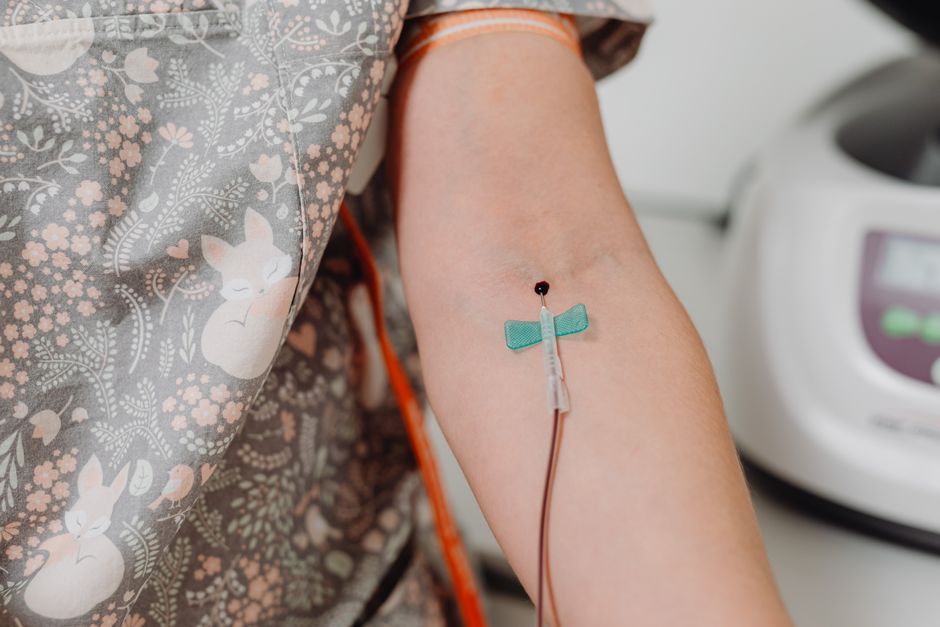
The procedure is done by an anesthesiologist or a pain specialist. You lie on your stomach or side. The doctor numbs a small area on your lower back with local anesthetic. They then insert a needle into the epidural space, similar to how an epidural is placed. A nurse draws a small amount of blood from your arm — usually about 20 milliliters. The doctor injects this blood slowly into the epidural space.
The whole thing takes about 15 to 20 minutes. You stay lying down for another 30 to 60 minutes afterward. Most people feel relief within minutes to hours. Research published in Anesthesia & Analgesia found that the success rate for a single blood patch is between 70 and 90 percent.
Does a Blood Patch Always Work?
No procedure works for everyone. A blood patch has a high success rate, but it is not guaranteed. Studies show that about 70 to 90 percent of people get complete relief after one blood patch. Some people get partial relief. A small number get no relief at all.
If the first blood patch does not work, a second one can be done. The success rate for a second blood patch is still high, though slightly lower than the first. Timing matters. Research shows that blood patches done within the first few days of the headache tend to work better than those done weeks later.
The location of the injection also matters. The blood patch works best when the injection is made at or very near the original puncture site. If the doctor cannot locate the exact spot, they may inject at a nearby level. This still works in many cases, but the success rate is a bit lower.





What Are the Risks and Side Effects of a Blood Patch?
A blood patch is generally safe, but no medical procedure is risk-free. The most common side effect is temporary back pain at the injection site. This usually lasts a day or two and responds well to over-the pain relievers like ibuprofen.
Some people experience a temporary increase in headache pain right after the injection. This usually settles within a few hours. A small number of people develop a fever or chills, which typically resolve on their own.
More serious complications are rare but possible. These include infection, bleeding, or nerve damage. There is also a risk of the blood patch causing a condition called arachnoiditis, which is inflammation of the spinal membranes. This is extremely rare. According to the American Society of Anesthesiologists, the risk of serious complications from a blood patch is less than 1 in 10,000.
One important point: a blood patch should not be done if you have an active infection, a fever, or a bleeding disorder. Your doctor will check for these before the procedure.
How Does a Blood Patch Compare to Other Treatments?
For mild spinal headaches, doctors often recommend conservative treatments first. These include lying flat, drinking plenty of fluids, and taking caffeine. Caffeine constricts blood vessels in the brain and can temporarily raise spinal fluid pressure. Some studies suggest caffeine works for about 50 percent of mild cases.
But for moderate to severe spinal headaches, a blood patch is the most effective option. Here is a comparison of common treatments:
| Treatment | How It Works | Success Rate | Time to Relief |
|---|---|---|---|
| Conservative care (rest, fluids, caffeine) | Increases fluid volume and constricts vessels | About 50% for mild cases | Days to weeks |
| Epidural saline injection | Saline pushes against the dura to raise pressure | About 60-70% | Hours to days |
| Blood patch | Blood clots seal the leak | 70-90% | Minutes to hours |
| Surgical repair | Directly stitches the dural hole | Very high, but rarely needed | Immediate |
Surgical repair is almost never needed. It is reserved for cases where multiple blood patches have failed and the leak is clearly identified on imaging. For the vast majority of people, a blood patch is the gold standard treatment.
What Should You Expect During Recovery?
After a blood patch, you will need to lie flat for at least one hour. Many doctors recommend staying flat for two to four hours. You should avoid bending, lifting, or straining for the first 24 to 48 hours. This helps the blood clot stay in place.
Most people feel immediate relief. The headache may come back slightly after the local anesthetic wears off, but it is usually much milder than before. Some people describe feeling a sense of pressure in their back or legs for a day or two. This is normal and goes away.
You can usually return to normal activities the next day. Avoid heavy exercise, lifting, or anything that involves straining for about a week. Drink plenty of fluids. If you have a fever, worsening headache, or pain that does not go away, call your doctor.
Some people report a mild headache for a few days after the blood patch. This is not the original spinal headache. It is likely from the procedure itself or from lying down for a long time. It should resolve on its own.
Common Misconceptions About Blood Patches
One common myth is that a blood patch is extremely painful. The injection itself is similar to getting an epidural. The numbing shot stings for a few seconds, but the actual injection of blood is usually painless. Most people report only mild pressure.
Another myth is that you need to be hospitalized for a blood patch. This is not true. The procedure is done in a clinic or hospital outpatient setting. You go home the same day. You just need someone to drive you because you may feel groggy from lying down.
Some people worry that the blood will travel to the wrong place and cause problems. The blood is injected into the epidural space, which is a closed compartment. The blood stays there and clots. It does not enter your bloodstream or your spinal fluid. This is why the procedure is safe.
Finally, some believe that a blood patch is only for severe headaches. In reality, any spinal headache that does not improve with conservative care in 24 to 48 hours is a reasonable candidate for a blood patch. Waiting too long can make the procedure less effective and prolong your suffering.
Frequently Asked Questions
How long does a blood patch take to work?
Most people feel relief within minutes to a few hours. The blood clot forms quickly and seals the leak.
Can a blood patch fail?
Yes, about 10 to 30 percent of people need a second blood patch. Failure is more likely if the procedure is done weeks after the headache started.
Is a blood patch safe during pregnancy?
Yes, it is safe for pregnant women. The small amount of blood used does not affect the baby. It is commonly used after epidural complications in childbirth.
Will a blood patch cause permanent back pain?
No. Temporary back pain at the injection site is common but usually goes away within a day or two. Permanent back pain from a blood patch is extremely rare.
