
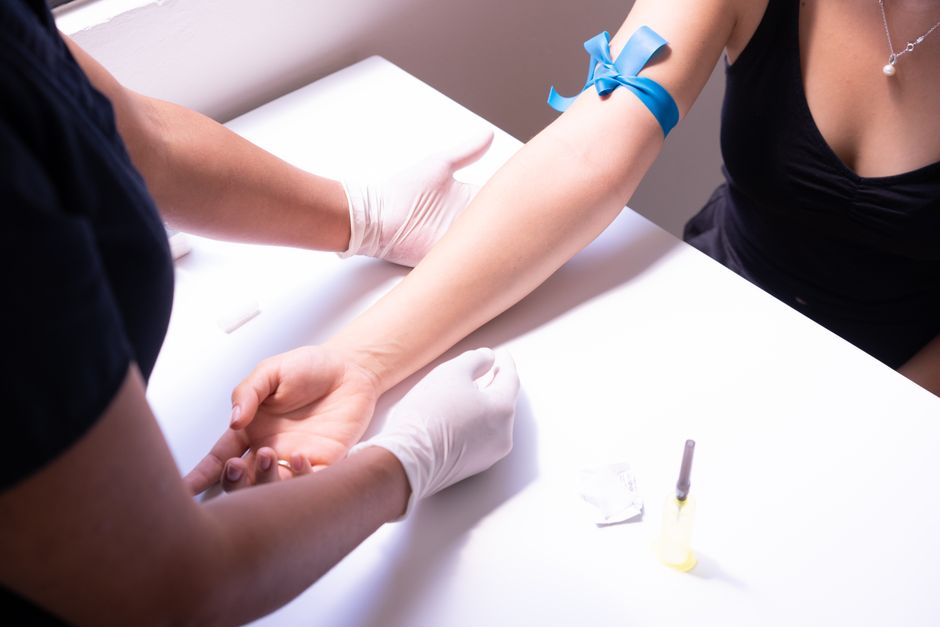
Yes, your arm can hurt after getting blood drawn. It is a common and usually short-lived side effect. Most people feel some soreness, a bruise, or mild tenderness at the needle site for a day or two. This is a normal response from your body, not a sign that something went wrong. The pain typically fades on its own without any treatment.
Why Does My Arm Hurt After a Blood Draw?
The needle has to pass through several layers of skin and into a vein. That alone causes minor tissue damage. Your body responds with a small amount of inflammation, which is a normal part of healing. That inflammation is what you feel as soreness.
Bruising happens when a small amount of blood leaks from the vein into the tissue around it. The technical name for this is a hematoma. It looks like a purple or dark mark and can feel tender to the touch. It is not dangerous in most cases.
The size of the bruise depends on a few things. The angle of the needle, the size of the vein, and how much pressure you apply afterward all play a role. Some people simply bruise more easily than others. Older adults and people taking blood thinners tend to bruise more.
How Long Does the Pain Last?
Mild soreness usually lasts for one to two days. A bruise may take a little longer to fade, often up to a week. The bruise changes color as it heals, shifting from dark purple to green or yellow before disappearing.
If the pain lasts longer than a few days, or if it gets worse instead of better, that is worth a closer look. Persistent pain can sometimes mean the needle irritated a nerve, though this is uncommon. It can also mean a hematoma is larger than usual and pressing on surrounding tissue.
Most people do not need any treatment. Over-the-counter pain relievers like acetaminophen can help if the soreness is bothersome. Avoid ibuprofen or aspirin if you are trying to reduce bruising, because they can slow blood clotting. If you are unsure which pain reliever is appropriate for you, ask a pharmacist or your doctor.
What Can I Do to Reduce the Pain and Bruising?
There are a few simple steps that can help, but they need to happen at the right time.
Before the draw, stay hydrated. Well-hydrated veins are fuller and easier to access. A good blood flow means the needle is less likely to cause trauma. Drinking water in the hours before your appointment is a practical step.
After the draw, keep pressure on the site. The person drawing your blood will place a cotton ball or gauze over the needle site and ask you to hold it. Keep firm pressure on it for at least three to five minutes. This helps the vein seal and reduces the amount of blood that leaks into the tissue.
Do not bend your arm tightly while holding the cotton. Keeping your arm straight with gentle pressure is more effective. Bending the arm can actually increase bruising because it changes the pressure in the vein.
For the rest of the day, avoid heavy lifting with that arm. Carrying groceries or doing strenuous exercise can increase blood flow to the area and make the bruise worse. Light activity is fine.
Applying a cold pack in the first 24 hours can reduce swelling and discomfort. Wrap the cold pack in a cloth so it does not sit directly on your skin. After the first day, a warm compress can help the bruise fade faster by increasing blood flow to the area.
When Should I Be Concerned About Arm Pain After a Blood Draw?
Most arm pain after a blood draw is harmless. But there are signs that warrant attention.
Seek medical care if you notice any of the following:
- Pain that gets worse after the first day instead of improving
- Numbness, tingling, or a shooting pain that travels down your arm
- Swelling that continues to increase
- Redness or warmth that spreads beyond the needle site
- A fever
- Coldness or paleness in your hand or fingers
These symptoms can indicate a nerve injury, an infection, or a problem with blood flow. These are rare complications, but they need proper evaluation. Do not wait several days if you experience any of these signs.
Nerve irritation is uncommon but possible. The needle can come close to a nerve or nick it. This may cause a shooting sensation during the draw itself, or numbness and tingling afterward. Most minor nerve irritations resolve on their own, but persistent symptoms should be checked by a healthcare provider.
Infection is very rare when standard sterile techniques are used. If the site becomes increasingly red, warm, or painful after the first day, that could be a sign of infection. A fever alongside these symptoms makes infection more likely.
Is It Normal to Feel Faint or Dizzy After a Blood Draw?
Feeling lightheaded or faint is a common reaction. It is not the same as arm pain, but it often happens together because both are responses to the procedure.
Some people have a vasovagal response, which is a sudden drop in heart rate and blood pressure triggered by the sight of blood or the sensation of the needle. This can make you feel dizzy, sweaty, or nauseous. It usually passes within a few minutes.
If you feel faint, tell the person who drew your blood. Sit or lie down until the feeling passes. Do not try to stand up quickly. Getting up too fast can cause you to faint, and falling can cause injuries that are worse than the blood draw itself.
Eating a small snack and drinking water after the draw can help you recover if you feel lightheaded. This is especially helpful if you had fasted before the blood test.
Does Your Arm Hurt After Getting Blood Drawn More If You Have Certain Conditions?
Some people are more prone to bruising and soreness than others. This does not mean the blood draw was done incorrectly.
People taking blood thinners, including warfarin, apixaban, or rivaroxaban, will bruise more easily. Aspirin also affects clotting. If you take any of these medications, tell the person drawing your blood. They cannot always change the approach, but they can remind you to hold pressure longer afterward.
People with bleeding disorders, such as hemophilia or von Willebrand disease, may have more significant bruising. If you have a diagnosed bleeding disorder, mention it before the blood draw. The person doing the draw may use a smaller needle or recommend additional pressure time.
Older adults have thinner skin and more fragile veins. Bruising is more common in this group. It is a normal part of the procedure, not a sign of poor technique.
People with very small or deep veins may require multiple attempts to find a good vein. Each attempt creates its own minor trauma, which can increase overall soreness. This is frustrating but not dangerous. The same aftercare steps apply regardless of how many attempts were needed.
What Should I Do If the Pain Does Not Go Away?
If your arm still hurts more than a few days after the blood draw, or if the pain is severe, contact your doctor. They can examine the site and determine whether further evaluation is needed.
In rare cases, a large hematoma can compress nerves or blood vessels. This can cause more significant pain or changes in sensation. A doctor can assess this and recommend the right next step.
It is also possible, though uncommon, that the pain is unrelated to the blood draw. Arm pain has many causes, including muscle strain, tendonitis, or even referred pain from the neck or shoulder. If the timeline does not quite match the blood draw, your doctor can help sort that out.
Do not try to treat persistent pain on your own with repeated doses of pain medication. If the pain is significant enough to require ongoing treatment, it deserves a proper evaluation.
Frequently Asked Questions
How long should my arm hurt after a blood draw?
Mild soreness typically lasts one to two days. If pain lasts longer than a few days or gets worse, contact your doctor.
What helps arm pain after a blood draw?
Cold packs in the first 24 hours reduce swelling, and warm compresses after that help the bruise fade. Resting the arm and avoiding heavy lifting for a day also helps.
Can a blood draw cause nerve damage?
Nerve irritation is uncommon but possible, causing numbness, tingling, or shooting pain. Most cases resolve on their own, but persistent symptoms should be evaluated by a healthcare provider.
Why do I have a big bruise after getting blood drawn?
A bruise forms when blood leaks from the vein into the surrounding tissue. Blood thinners, older age, and fragile veins all increase the chance of bruising.
